Honolulu Hosts 45th VLSI Tech Symposium, Spotlighting AI‑Ready Chip Breakthroughs
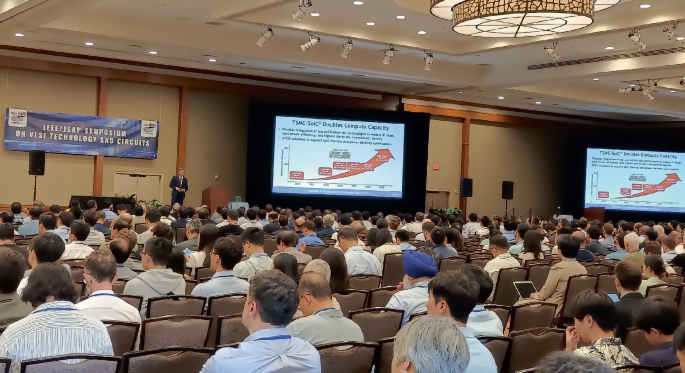
More than 1,500 engineers, researchers and industry leaders from across the globe converged on Honolulu, Hawaii, from June 14‑18 for the 2026 IEEE/JSAP Symposium on Very‑Large‑Scale Integration (VLSI) Technology & Circuits. Marking the 45th anniversary of the event, the gathering celebrated four‑plus decades of progress in microelectronics and explored how the latest advances in semiconductor materials, circuit design, advanced packaging and system‑level integration are shaping the next generation of artificial‑intelligence hardware. Attendees toured poster sessions, hands‑on demos and panel discussions that highlighted everything from ultra‑thin chip stacking to new ways of wiring billions of transistors together. A highlight was the plenary talk by Lee‑Chung Lu of Taiwan Semiconductor Manufacturing Company (TSMC), who shared inside insights on cutting‑edge packaging techniques that promise to boost AI performance while keeping power consumption in check. The symposium underscored a clear message: as AI workloads grow more demanding, the race to build faster, smaller and more efficient chips is accelerating. By bringing together academia, foundries and device makers, VLSI 2026 offered a vivid snapshot of the innovations that will power everything from smart phones to autonomous robots in the years ahead.
Read more