AI Boosts 5G Multicast: How Smart Quality Control Is Shaping the Future of Telecom
The telecom world is buzzing with a new breakthrough: artificial intelligence is now being used to monitor and improve the quality of 5G multicast broadcasts. In simple terms, multicast lets a single signal reach many devices at once—think live sports streams or emergency alerts delivered to thousands of phones simultaneously. Until now, ensuring that every viewer gets a clear, uninterrupted feed has been a complex, manual task prone to errors.
Enter AI‑driven quality control. By continuously analyzing signal strength, latency, and packet loss in real time, the system can instantly spot glitches and automatically adjust transmission parameters to keep the stream smooth. This not only reduces the need for costly human oversight but also promises a more reliable experience for consumers, especially in crowded urban areas where network congestion is common.
Industry experts say the technology could accelerate the rollout of advanced services such as immersive AR/VR experiences, remote surgery, and smart‑city applications that rely on ultra‑low latency. As telecom operators adopt these AI tools, users can expect fewer dropped calls, clearer video streams, and faster rollout of next‑generation services. In short, AI is becoming the silent guardian of our 5G connections, making the network smarter, faster, and more dependable for everyone.
Read more
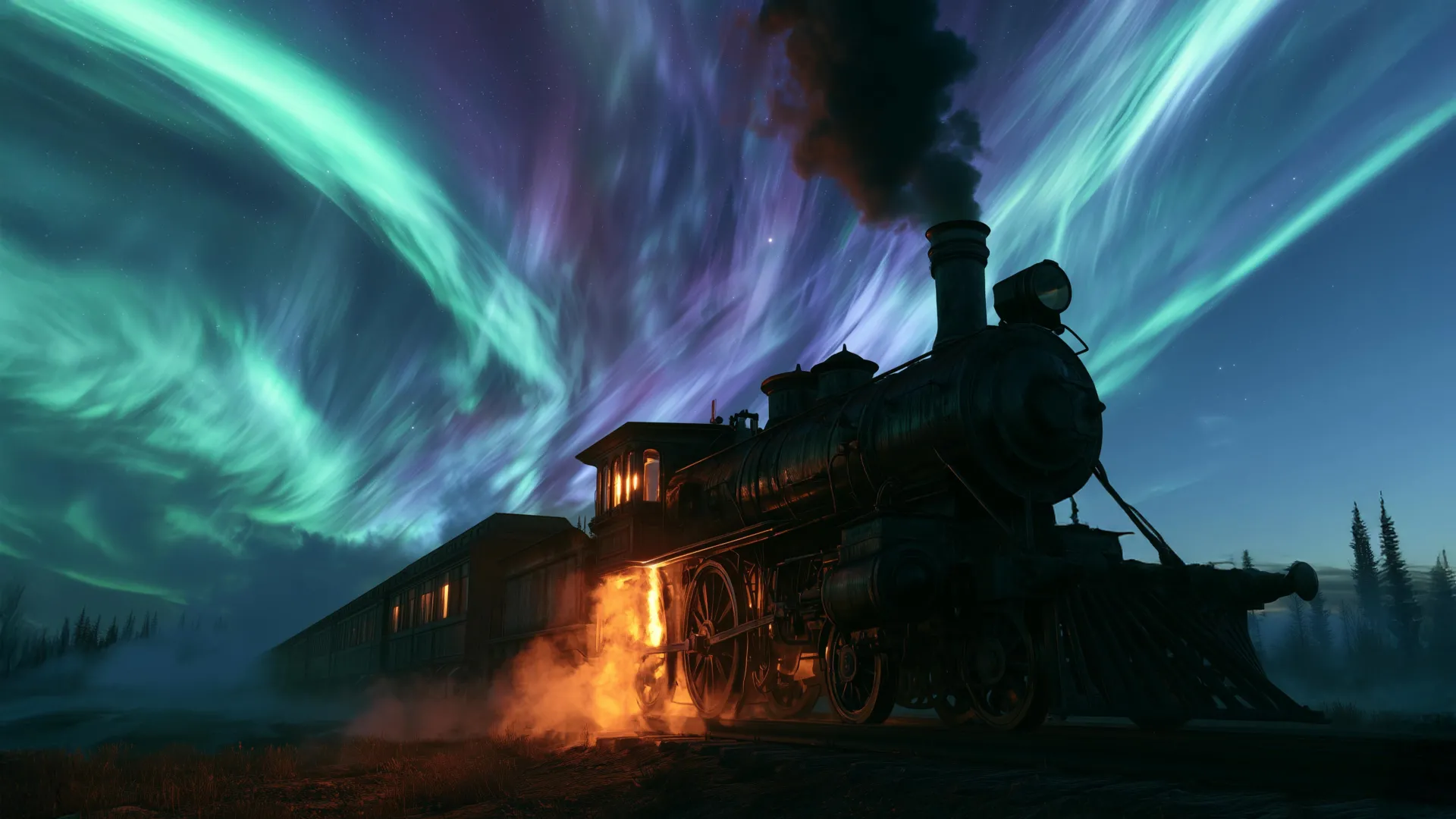
Mystery Train Delay Solved: 1848 Solar Storm Shocked the Rails
A team of researchers from RMIT University has finally untangled a 178‑year‑old puzzle about a famous train delay that was blamed on a solar storm. For more than a century, historians believed the incident occurred in 1841, but new analysis of old railway logs, newspaper reports, and space‑weather records shows the event actually happened in 1848. The storm was one of the most powerful geomagnetic disturbances of the 19th century, strong enough to interfere with the early telegraph system and, as the study reveals, to disrupt the nascent railway signaling that relied on electric telegraph lines. By pinpointing the correct date, scientists have rewritten an early chapter of space‑weather history and highlighted how vulnerable today’s power grids, satellites, and communications networks remain to similar solar outbursts. The findings also underscore the importance of modern monitoring tools and AI‑driven forecasts that can give days‑ahead warnings of solar storms, helping protect critical infrastructure. In short, a century‑old mystery has been solved, reminding us that the Sun’s fury has been shaping technology for generations—and will continue to do so unless we stay prepared.
Read more