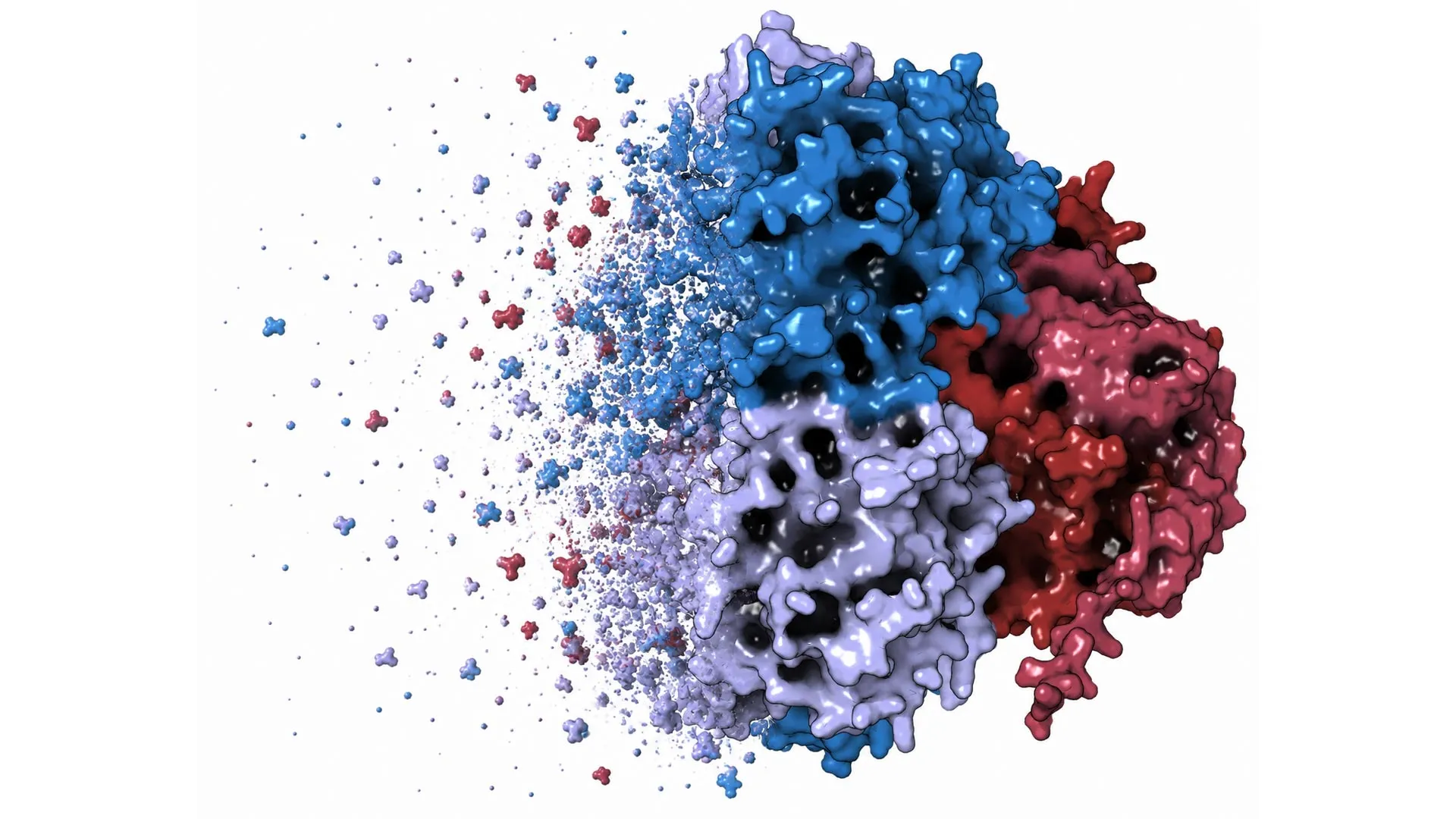
Decades‑Old Leukemia Drug Still Holds Surprises: New Study Uncovers Hidden Protein Twist
A chemotherapy drug that has been used for more than 70 years is still teaching scientists new tricks. Researchers at the Austrian Academy of Sciences discovered that deleting a cellular protein called NUDT5 makes cancer cells resistant to the drug, even though simply blocking NUDT5 with a chemical inhibitor does not. This unexpected finding suggests that NUDT5 has a hidden role inside cells that influences how the drug works. The discovery could help explain why some patients respond well to the treatment while others see little benefit, opening the door to more personalized leukemia therapies. The team used advanced molecular techniques to tease apart the protein’s function and showed that its complete removal, not just inhibition, shields cells from the drug’s lethal effects. Their work, funded by the European Research Council, the Austrian Science Fund, the Wellcome Trust, Merck Sharp & Dohme, Janssen Pharmaceutica and several other European initiatives, adds a new layer of complexity to a drug that many doctors have taken for granted. Understanding this hidden pathway may lead to improved treatment strategies and better outcomes for people battling leukemia.
Read more
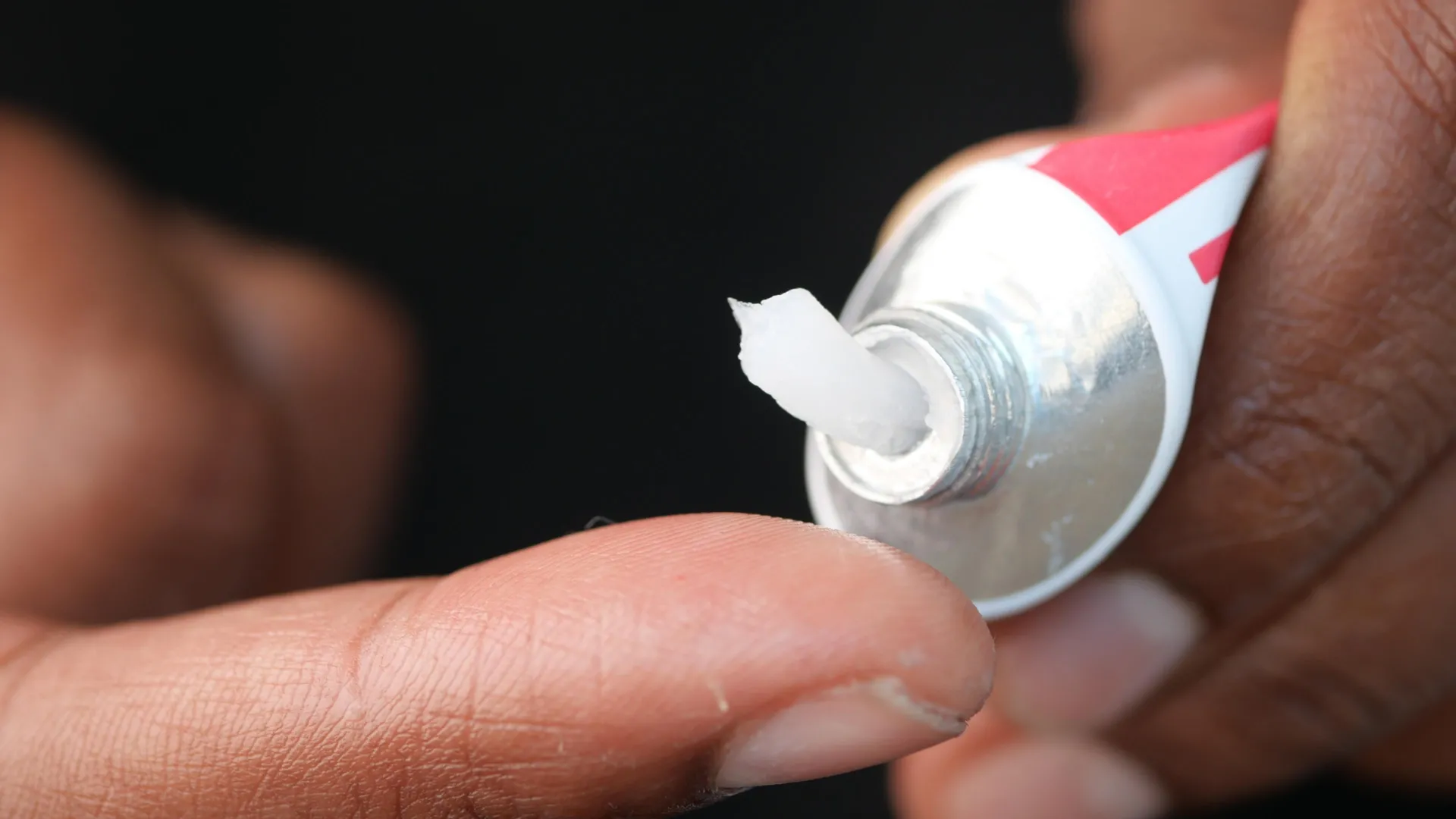
New Cream Turns Back the Clock on Skin and Speeds Up Wound Healing
Scientists have unveiled a groundbreaking topical treatment that could change how we think about aging skin. The experimental drug works by sweeping away old, damaged cells that accumulate over time, essentially giving the skin a fresh start. In laboratory tests on older mice, the cream dramatically accelerated the healing of skin wounds, cutting recovery time by nearly half. Researchers say the formula re‑awakens the body’s natural repair mechanisms, boosting inflammation control, collagen production, and the growth of new blood vessels—all essential steps in tissue regeneration. While the findings are still in the pre‑clinical stage, the results suggest a future where age‑related skin thinning and slow wound healing could be mitigated with a simple, non‑invasive application. If human trials confirm these effects, the drug could become a powerful tool for seniors, burn victims, and anyone looking to maintain healthier, more resilient skin. The study, published by Impact Journals LLC, marks a promising step toward therapies that not only slow aging but actively reverse its visible signs.
Read more
Robots Go From Lab Tricks to Real‑World Heroes: China’s 2026 Marathon Showdown
At the 2026 Beijing Yizhuang Half Marathon, more than 12,000 runners shared the course with over 100 robot teams. Xinghaitu’s R1 Pro and R1 Lite acted as autonomous "service officers," handing out water, towels and supplies without any remote control. The event proved that robots can handle real‑world disturbances—changing light, crowds and erratic movements—that would stump a lab prototype.
Deep Robotics is taking the next step with its "embodied brain" technology. Instead of calibrating each robot for a specific factory, a quadruped that learns to read an instrument in Factory A can instantly apply that knowledge in Factory B, cutting set‑up time dramatically. Founder Liu Chen says true AI must combine task understanding, scene memory, navigation, manipulation and safety decisions—not just a large language model.
China’s robot market is booming: more than 40,000 humanoid units shipped in the first half of 2026, lifting the country’s global share to 97 %. CSCEC’s new construction robots survive 40 °C heat, dust and welding slag, while logistics firm Xingdong Jiyuan’s AI robots sort over 1,200 parcels per hour with a 95 % success rate, even handling oddly shaped or damaged packages. The latest quadrupeds can now adapt on the fly to uneven terrain, showcasing "zero‑shot generalization"—the ability to operate in unseen environments without extra training. Together, these advances signal a shift from machines that need human teaching to robots that learn and act independently.
Read more
China Launches Cutting‑Edge R&D Hub to Turn Biomass into Power and Unlock Marine Energy
China’s science ministry has unveiled a new national research and development platform designed to fast‑track clean‑energy breakthroughs. In the next few years the centre will focus on two flagship goals: turning plant‑based waste into high‑value fuels and chemicals, and scaling up the use of biomass energy across the country. Engineers will test and showcase stand‑alone renewable power kits that can run homes, farms or small factories without relying on the central grid. At the same time, scientists are digging into the physics of underground reservoirs and the mysterious natural‑gas‑hydrate deposits that lie beneath the seabed, hoping to turn them into safe, abundant energy sources. The programme also explores wave, tidal and offshore wind technologies, aiming to capture the untapped power of the oceans. By combining laboratory breakthroughs with real‑world pilots, the platform seeks to cut carbon emissions, create new jobs and position China at the forefront of the global green‑energy race. The hub will receive $2 billion in government funding over the next five years, with additional support from international partners eager to share data on carbon‑neutral technologies. Researchers plan to publish open‑access results, allowing startups to spin off new products such as bio‑based plastics, low‑emission fuels for trucks, and compact offshore turbines that can be installed near coastal towns. If successful, the platform could reduce China’s reliance on coal by millions of tonnes each year and set a template for other nations seeking to turn waste and sea power into reliable electricity.
Read more
Pioneering Green Power: Breakthroughs in Biomass, Marine and Geothermal Energy at Guangzhou Institute
A leading researcher at the Guangzhou Institute of Energy Conversion, part of the Chinese Academy of Sciences, has set an ambitious roadmap to reshape how we harvest and use renewable energy. In the short term, the team aims for two game‑changing advances. First, they will turn abundant plant waste and other biomass into high‑value fuels and chemicals, while also scaling up its use for large‑scale power generation. This could turn agricultural residues into clean, affordable energy for factories and homes. Second, they plan to roll out pilot projects for independent, distributed renewable energy systems—tiny, self‑contained power grids that can run off solar, wind or bio‑energy without relying on the central grid.
At the same time, the researchers are cracking the science behind gas‑hydrate reservoirs—ice‑like formations that trap methane beneath the ocean floor—and exploring how to tap the vast, untapped energy of the seas and deep‑earth geothermal heat. By mastering these technologies, the institute hopes to unlock new, sustainable power sources that reduce carbon emissions, boost energy security, and create fresh economic opportunities for coastal and rural communities. The work promises to bring us closer to a future where clean energy is abundant, affordable, and locally controlled.
Read more