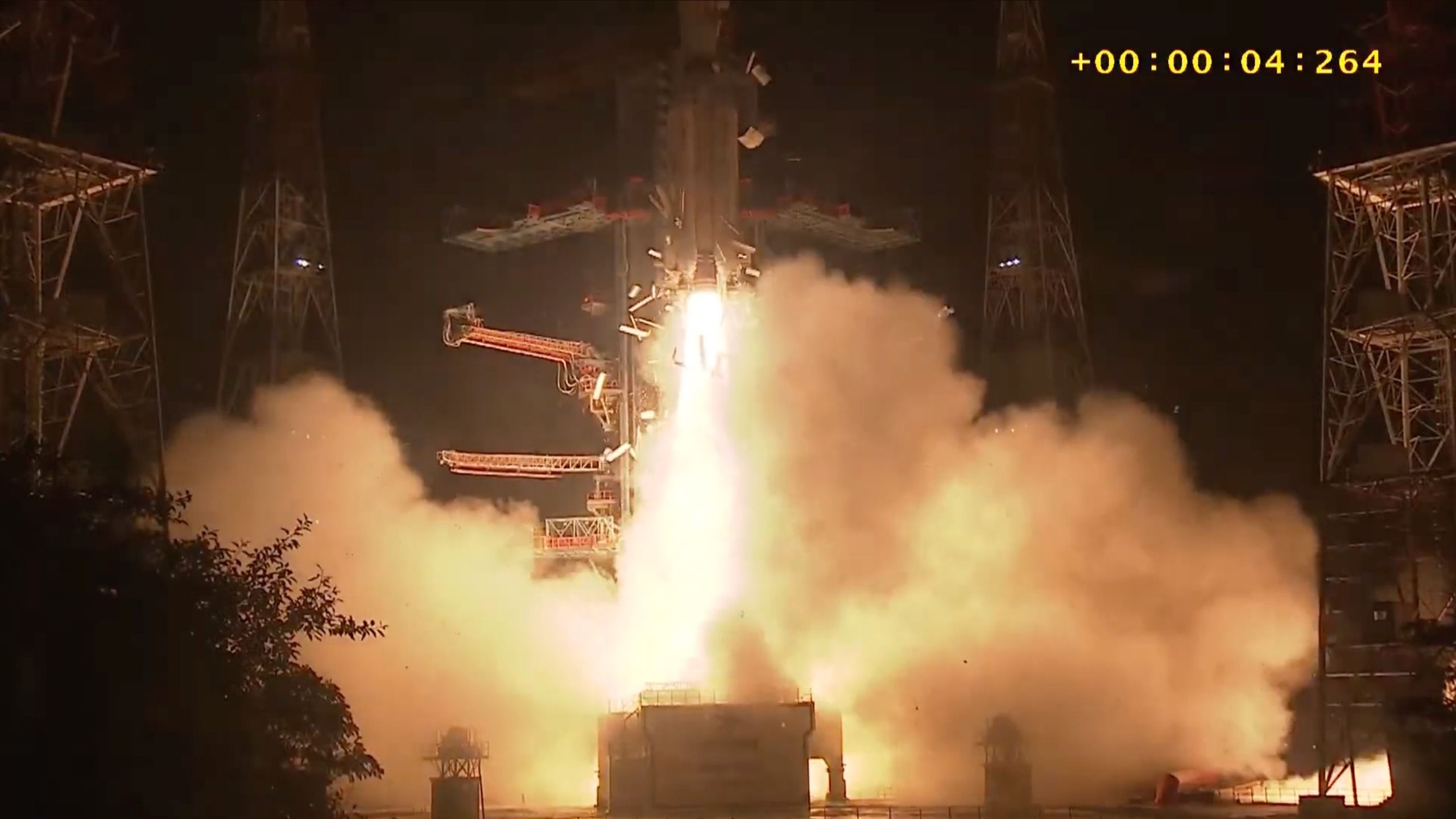
India Launches First Geosynchronous Earth‑Imaging Satellite – A New Era in Space Observation
On September 3, the Indian Space Research Organisation (ISRO) marked a historic milestone by sending its first Earth‑imaging satellite into a geosynchronous orbit. The GSLV‑Mark II rocket roared off the Satish Dhawan Space Centre at 5:25 p.m. Eastern Time (2:55 a.m. Indian Standard Time), carrying the EOS‑05 spacecraft toward a lofty 22,236 miles (35,786 km) above the planet.
Unlike low‑Earth‑orbit satellites that race around the globe, a geosynchronous satellite moves at the same speed the Earth rotates, allowing it to stay fixed over a single region. This “hovering” capability makes GEO the sweet spot for weather monitoring, communications and intelligence missions. EOS‑05, described by ISRO as a state‑of‑the‑art Earth‑observation platform, will provide continuous, high‑resolution images of a chosen area, improving weather forecasts, disaster response and agricultural planning for India and its partners.
The launch demonstrates ISRO’s growing confidence in heavy‑lift rockets and its ambition to expand satellite services beyond traditional orbits. With EOS‑05 now on its way, India joins a select club of nations operating imaging satellites from GEO, opening new possibilities for real‑time monitoring of our planet from a steady, high‑altitude perch.
Read more
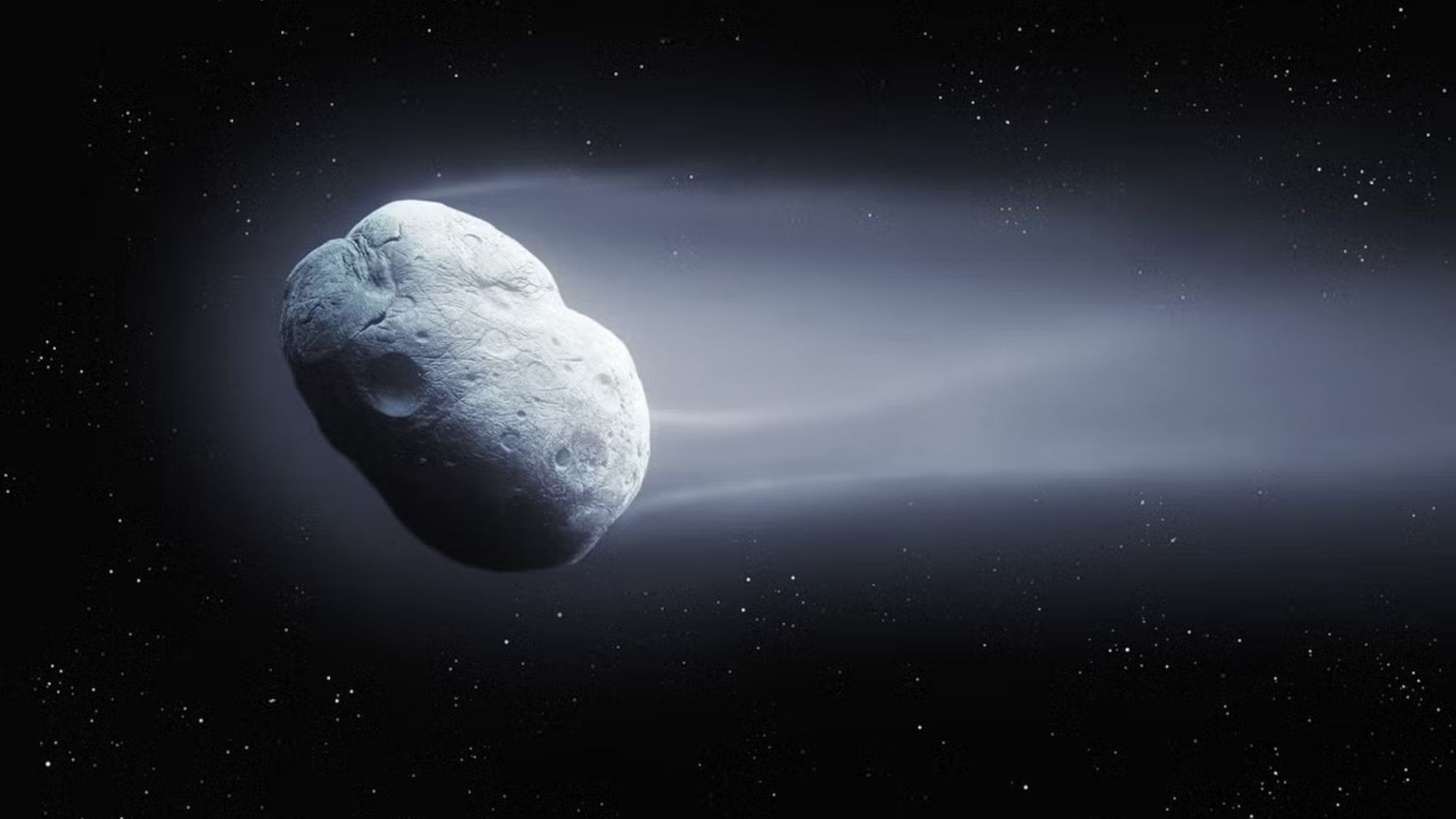
A Cosmic Birth: Astronomers Spot a New Comet Forming 3 Billion Miles from Earth
For the first time, astronomers have captured a comet in the act of forming far beyond the orbit of Pluto, roughly three billion miles from our planet. Using the powerful James Webb Space Telescope, researchers observed a faint, icy cloud of gas and dust coalescing around a distant, dormant nucleus in the Kuiper Belt. The team tracked subtle changes in brightness and spectral signatures that indicated volatile ices sublimating as the object warmed slightly from the Sun’s distant rays. This rare glimpse offers a live laboratory for studying how comets—often called “dirty snowballs”—are born, evolve, and later become the spectacular visitors we see streaking across our skies. By monitoring the newborn comet’s composition, scientists hope to unlock clues about the early solar system’s chemistry, including the building blocks of water and organic molecules that may have seeded life on Earth. The discovery also demonstrates the unprecedented sensitivity of modern space telescopes, opening a new window onto the hidden outskirts of our planetary neighborhood. As the comet continues its slow journey inward, researchers will keep a close eye, eager to see how it transforms into the icy wanderer that could one day grace our night sky.
Read more
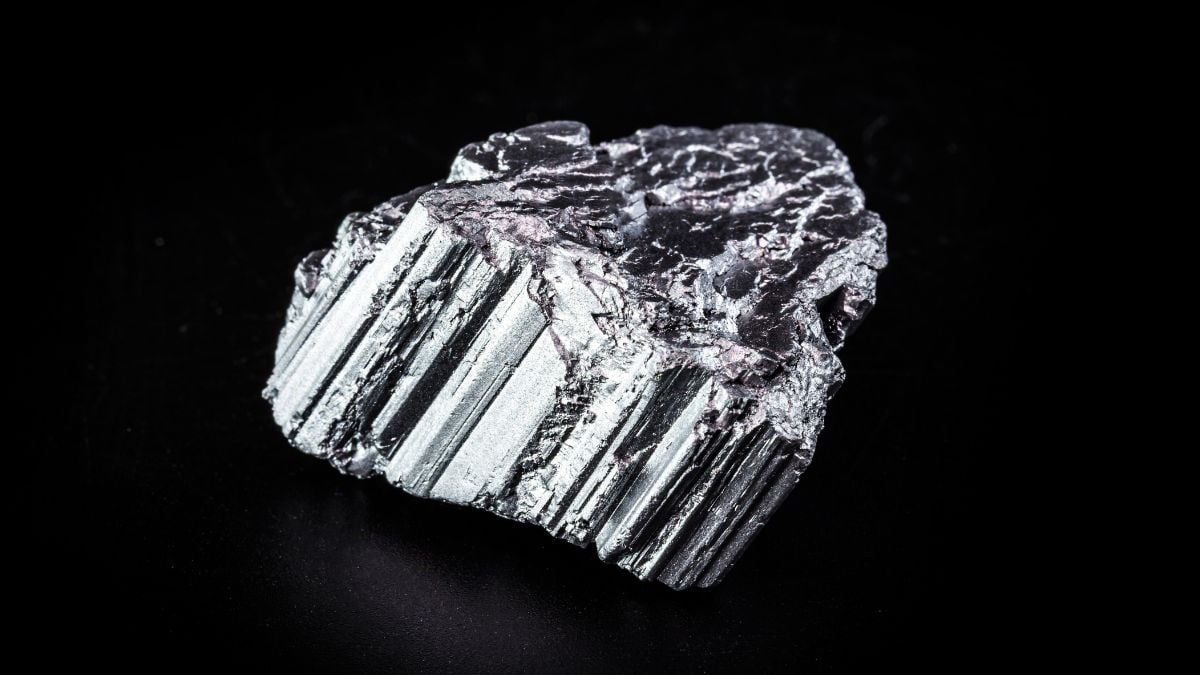
Hidden Treasure: U.S. May Hold $100 Billion of Rare Earth Metals in Coal Waste
A new study suggests that the United States could be sitting on a massive, untapped cache of rare‑earth elements (REEs) worth roughly $100 billion—right under our feet in piles of coal‑combustion waste. These minerals, essential for everything from smartphones and electric‑car batteries to wind‑turbine magnets, are currently sourced mostly from a handful of countries, creating supply‑chain worries.
Scientists examined samples of coal ash and discovered surprisingly high concentrations of REEs such as neodymium, dysprosium, and yttrium. The challenge now is to develop extraction techniques that are both cost‑effective and energy‑efficient, striking a “sweet spot” where the metals can be recovered without prohibitive expense or environmental harm.
The research, published in the *Journal of Coal Science & Technology* and the *Journal of Environmental Management*, outlines several promising methods—ranging from chemical leaching to advanced bio‑mining—but notes that scaling any of them up will require further testing. If successful, the United States could dramatically reduce its reliance on foreign sources, boost domestic manufacturing, and turn a waste product into a lucrative resource. Time will tell which approach, if any, can be turned into a commercial reality.
Read more
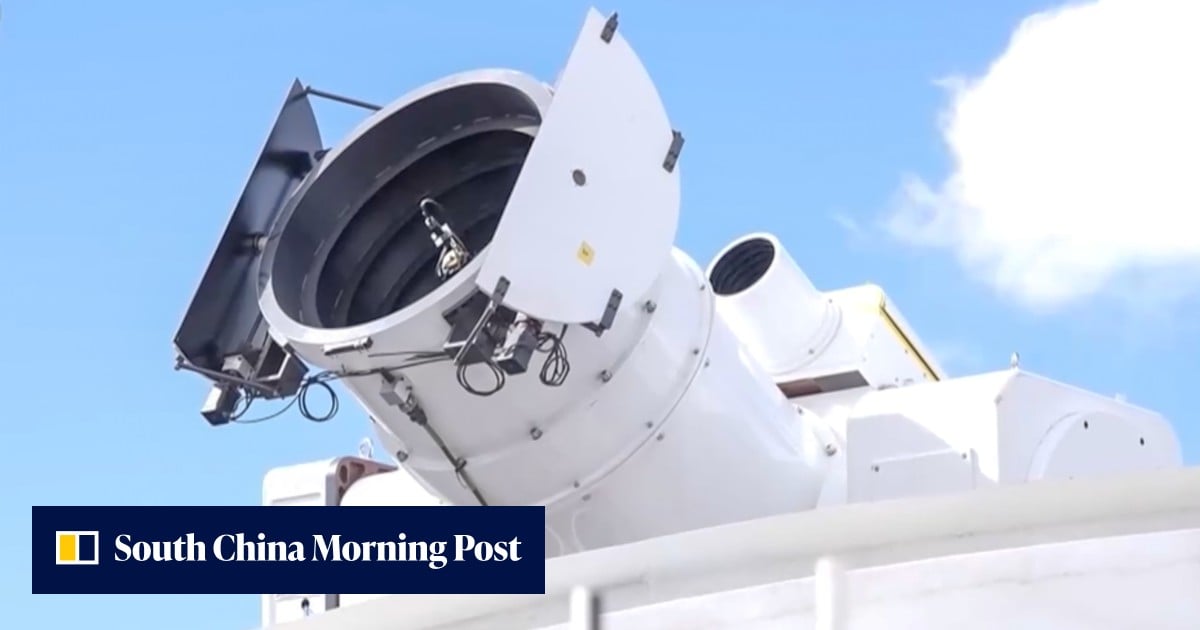
China’s Moon Laser Link Falls Short of NASA’s 2013 Speed Record
China has announced a major milestone: it successfully set up a two‑way laser communication link between Earth and the Moon, making it only the second country after the United States to pull off the feat. The experiment, carried out by a team led by deep‑space laser specialist Yang Lei, used ground‑based telescopes in Yunnan province and an experimental satellite to beam data across the 384,000‑kilometre gap.
While the achievement is a technical triumph, the data‑transfer speed surprised many experts. NASA’s 2013 Lunar Laser Communication Demonstration managed to push information at roughly 600 megabits per second, enough to stream a high‑definition movie in real time. China’s test, by contrast, topped out at only a few megabits per second – a fraction of the U.S. benchmark set more than a decade ago.
Yang Lei highlighted that laser links are theoretically far faster than traditional radio waves, but the current hardware and atmospheric conditions limited China’s performance. Space analysts say the gap underscores the challenges of scaling up laser technology for future lunar bases and deep‑space missions. Nonetheless, the successful two‑way link is a promising step toward the country’s 2026 goal of establishing a reliable, high‑speed communication network for its planned lunar research station.
Read more
China Aims to Finish 6G‑Ready Network by 2030, Plans Massive AI and Satellite Push
China’s Ministry of Industry and Information Technology has unveiled its 15th Five‑Year Plan for the information and communications sector, setting an ambitious target: by 2030 the country will have a fully built, next‑generation communication network that outperforms today’s 5G. The plan calls for near‑universal 5G coverage and promises to roll out 6G commercial services as soon as the technology is ready, backed by trillions of yuan in infrastructure investment, massive AI‑accelerator clusters, new optical fiber types and integrated satellite, air and ground networks.
Read more
Robot ‘Lightning’ Shatters Usain Bolt’s 100‑m Record in 8.83 Seconds – China’s Smart Manufacturing Leap
In August 2026, a humanoid robot named “Lightning” sprinted 100 metres in just 8.83 seconds at the World Humanoid Robot Games in Beijing, beating Usain Bolt’s long‑standing 9.58‑second world record. Built by Honor Device Co., the robot’s performance showcases the rapid progress of China’s “smart manufacturing” drive, highlighting breakthroughs in joint torque, cooling systems and high‑dynamic motion‑control algorithms.
Read more
Quantum Leap: China’s Super‑Fast Computers Move From Lab to Everyday Life
In Hefei’s high‑tech zone, Guodian Quantum Information Technology unveiled a superconducting quantum computer that belongs to the “Zuchongzhi‑3” family, delivering ultra‑stable, low‑noise calculations. The company has shipped six complete quantum computers, with models solving specific problems hundreds of millions of times faster than classical supercomputers, and has launched a cloud platform serving users in more than 60 countries.
Read more
Chinese Chipmaker Unveils Tiny Red Micro‑LED That Could Bring Full‑Color AR Glasses to Everyone
Ningbo‑based Qiushui Semiconductor announced mass production of an 8‑inch red micro‑LED chip that packs a 640 × 480 red display into a 0.15 cm³ volume, using a novel lossless design that preserves efficiency and boosts yields to over 99.9999 %. The chip powers a compact near‑eye module suitable for lightweight AR glasses, enabling full‑color displays for consumer‑grade applications.
Read more
China’s Deep Space Matrix Secures 100 Million Yuan Angel Funding to Build AI‑Powered Satellite Constellation
Beijing‑based Deep Space Matrix Technology closed a 100‑million‑yuan angel round to fund research on space‑based artificial‑intelligence computing and its “Star Ring” satellite program. The plan envisions a constellation of about 210 low‑Earth‑orbit satellites that combine remote‑sensing, communications and on‑board AI, creating a global space‑AI platform for air, sea, land and space applications.
Read more