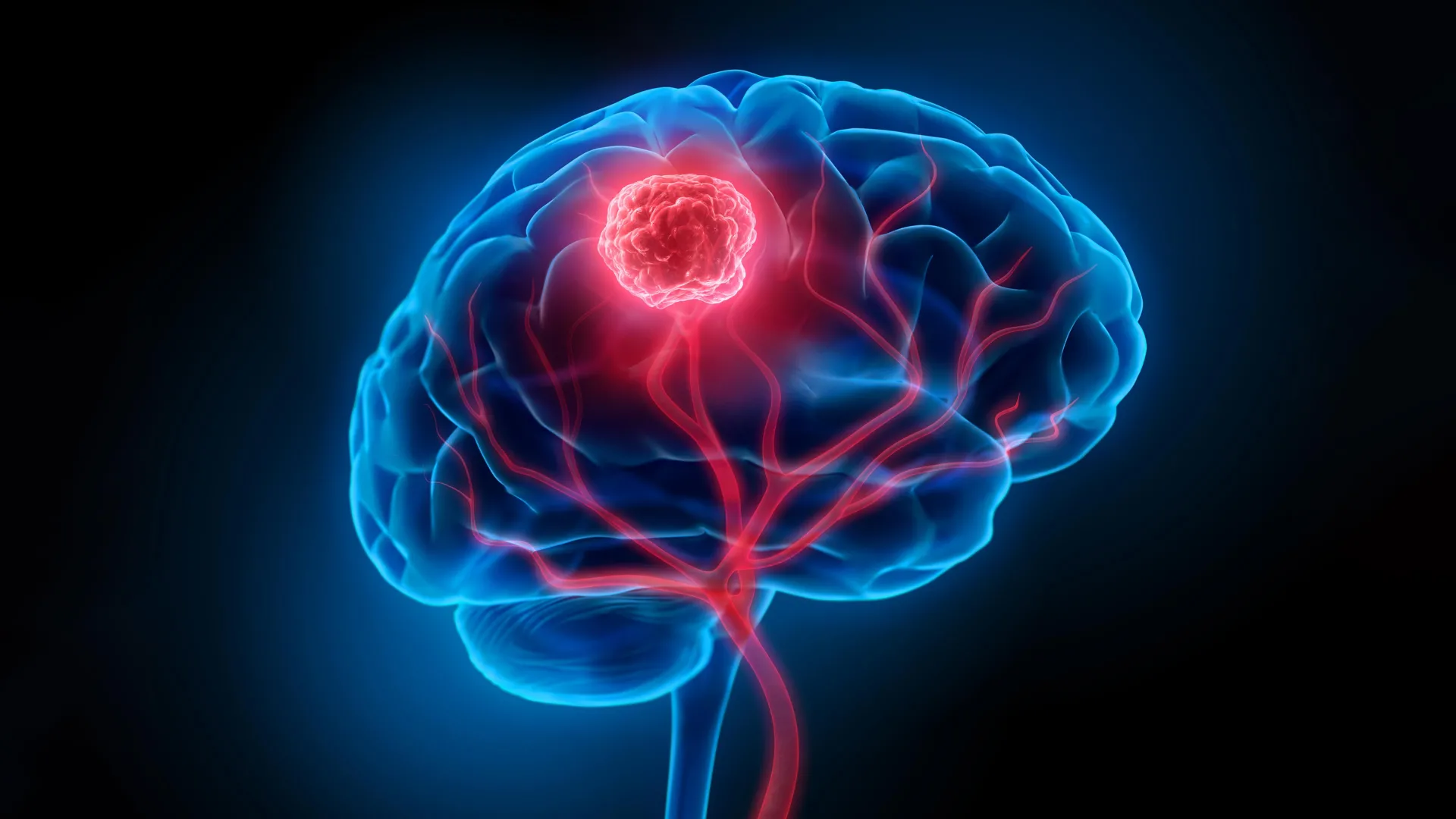
Glow‑In‑The‑Dark Nanoparticles Help Surgeons Spot and Zap Hidden Brain Tumors
Researchers at the University of Technology Sydney have created tiny, “smart” particles that shine a bright light on brain‑cancer cells during surgery. These nanoparticles are designed to stick to glioblastoma cells – the aggressive type of brain tumor that often slips past a surgeon’s view. When a special camera is used, the particles make the hidden cancer cells glow, giving doctors a clearer picture of the tumor’s true size.
But the technology doesn’t stop at illumination. After the surgeon removes the visible tumor, the same particles release a gentle burst of therapy that attacks any remaining cancer cells that were missed. In mouse experiments, this two‑step approach dramatically reduced tumor regrowth compared with surgery alone.
The scientists say the method could one day let surgeons see more of the tumor in real time and treat the leftovers on the spot, tackling one of the biggest hurdles in brain‑cancer treatment – recurrence. While the results are still early and need to be confirmed in larger animal studies and eventually humans, the glowing nanoparticles offer a hopeful glimpse of a future where brain‑cancer surgery is both more precise and more effective.
Read more
AI Unlocks Six Simple Tricks to 3D‑Print Rocket‑Grade Metal on Everyday Printers
A team of engineers at Washington State University has taught artificial intelligence to crack one of 3D printing’s toughest challenges: turning a high‑performance rocket alloy into a printable material on ordinary, commercial printers. The alloy, prized for its strength and heat resistance, has traditionally required expensive, specialized equipment—making it out of reach for most manufacturers. By feeding the AI a massive library of more than 100 million possible printing settings, the researchers let the system sift through the data, learning from each binary success‑or‑failure outcome. After countless simulations, the AI identified six specific combinations of laser power, scan speed, and layer thickness that reliably produce the alloy without defects.
These six “sweet spots” mean that 90 percent of existing desktop‑type printers, which previously could not handle the metal, can now print it with comparable quality to industrial machines. The breakthrough was presented at the AAAI Conference on Artificial Intelligence, where the team earned the Innovative Deployed Application Award. Lead professor Jana Doppa says the discovery “democratizes” access to rocket‑grade metal, opening the door for smaller companies, hobbyists, and research labs to experiment with high‑performance parts without the prohibitive cost of custom hardware. This AI‑driven approach could reshape how advanced materials are manufactured across aerospace, automotive, and defense industries.
Read more

London AI Startup’s New Bot Beats Big‑Name Rivals at Re‑creating Scientific Studies
Just weeks after emerging from stealth and securing a $50 million seed round, London‑based Inherent Labs is turning heads. Its freshly unveiled AI assistant, named Faraday, has managed to reproduce the results of published scientific papers more accurately than the heavyweight models from Anthropic and OpenAI—despite being far smaller.
Why does this matter? In science, replicating existing research is the gold‑standard test of whether a method truly works; it’s the first step every PhD student takes. By mastering this task, Faraday shows it can understand complex experiments, crunch data, and draw the same conclusions that human researchers did, all without being told the answer ahead of time.
Inherent’s founders, former DeepMind engineers, see this as a stepping stone toward a loftier ambition: an AI that doesn’t just verify old findings but actually discovers new knowledge on its own. While other DeepMind alumni startups have struggled to showcase tangible results, Inherent is already publishing concrete proof that its approach can compete with, and even outpace, far larger AI systems. The company says this breakthrough is just the beginning of a broader push to put AI on the front lines of scientific discovery.
Read more
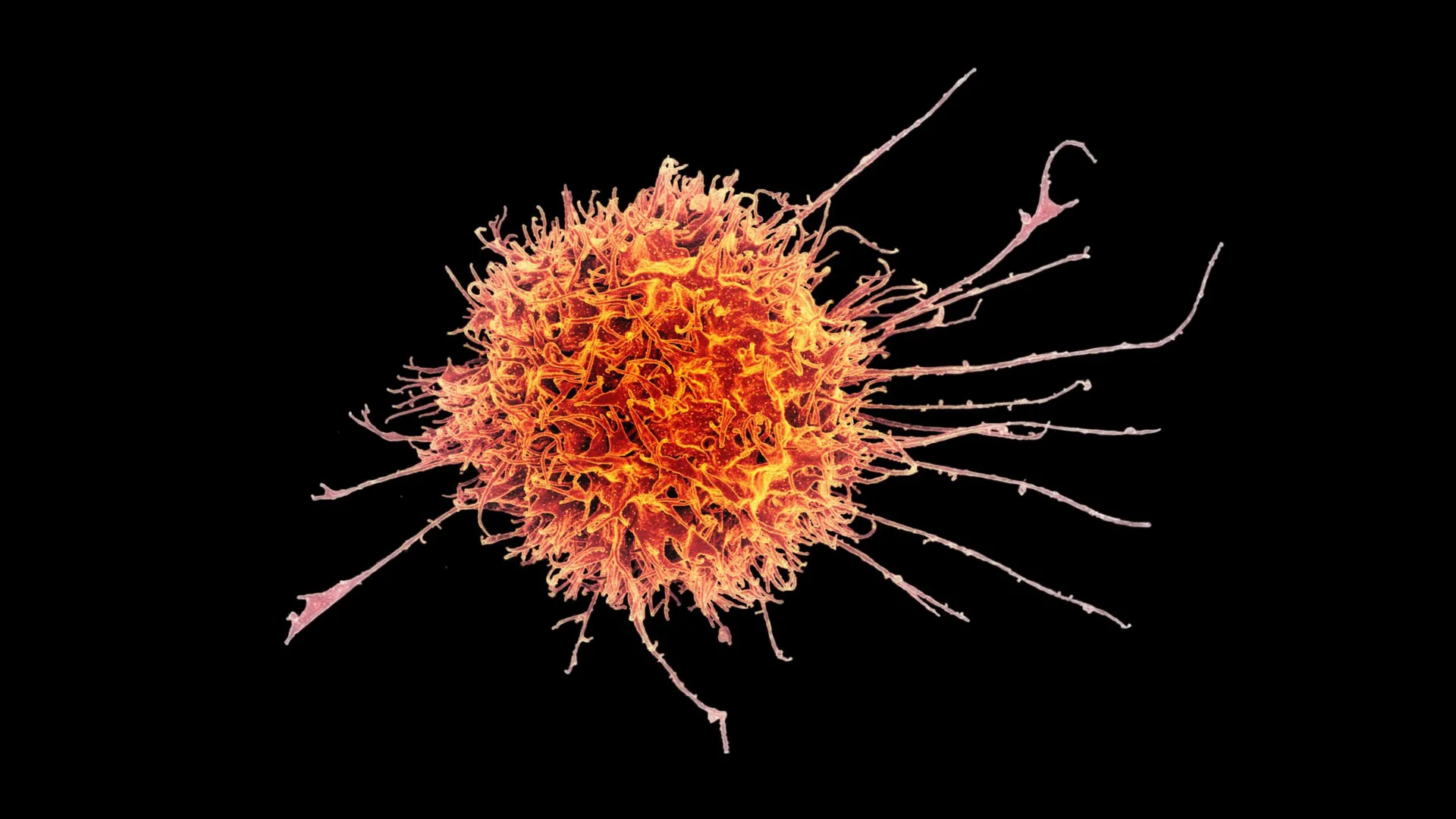
Boosted ‘Natural Killer’ Cells Show Promise as Ready‑Made Cancer Attack Force
A team of researchers from Stanford Medicine, Ohio State University and Washington University School of Medicine has engineered “supercharged” natural killer (NK) cells that can break into solid tumors – a breakthrough that could lead to an off‑the‑shelf cancer treatment. Unlike patient‑specific therapies, these enhanced NK cells are designed to be mass‑produced, stored and delivered quickly to anyone who needs them. In laboratory tests, the modified cells penetrated dense tumor tissue and unleashed a powerful immune response, wiping out cancer cells that had previously evaded treatment. The work was funded by several NIH grants, the Tai Tsun Wu Research Fund for NK Cell Immunotherapy, and a Stanford Bio‑X Fellowship. If the results translate to humans, doctors could soon have a readily available cellular weapon against aggressive cancers such as melanoma, colorectal cancer and other solid tumors, reducing the time and cost associated with personalized cell therapies. The researchers plan to move into animal studies next, aiming to confirm safety and effectiveness before launching clinical trials. This development adds fresh optimism to the fight against cancer, offering a potentially faster, cheaper and more universally accessible immunotherapy option.
Read more
Shanghai Microsystem Institute Unveils Breakthrough MEMS Platform and Wins Major Science Awards
The Shanghai Institute of Microsystem and Information Technology, part of the Chinese Academy of Sciences, announced a series of cutting‑edge advances that could reshape everyday technology. Its new 8‑inch “quasi‑standardized” piezoelectric MEMS platform promises faster, cheaper production of tiny sensors used in smartphones, wearables and medical devices. In parallel, researchers created a magnesium‑diboride superconducting detector capable of spotting single photons at relatively high temperatures, a step toward ultra‑secure quantum communications.
Other highlights include a novel graphene‑coated copper powder that could replace expensive silver in electronic pastes, and an on‑chip infrared sensor that can detect carbon‑dioxide without moving parts, paving the way for compact environmental monitors. The institute also demonstrated a superconducting‑silicon photonic chip for quantum‑entanglement networks and published results on a phase‑change in‑memory computing chip in *Science*, signaling progress toward brain‑like, ultra‑low‑power computers.
These achievements helped the institute earn several 2025 Shanghai Science and Technology Awards and a national “Two Excellences and One Advanced” commendation. The institute will host a series of public talks and summer school sessions on quantum electronics, AI‑driven brain‑computer interfaces, and sustainable sensor technologies, inviting students and industry partners to explore the next wave of micro‑innovation.
Read more
Call for Bold, High‑Risk Research: NSFC Opens 2026 ‘Major Non‑Consensus’ Grants in Engineering, Materials & Chemistry
The National Natural Science Foundation of China (NSFC) is inviting daring scientists at the Institute of Metal Research to submit proposals for its 2026 Major Non‑Consensus Projects, a special funding stream run by the Departments of Engineering & Materials Sciences and Chemical Sciences. These grants target research that is truly groundbreaking, controversial and risky – work that lies outside the mainstream consensus and cannot easily pass ordinary review panels. To qualify, a project must demonstrate (1) a potentially huge scientific or technological impact, (2) a high degree of controversy because it challenges established ideas, (3) a high level of technical risk, and (4) clear interdisciplinary links. The programme supports the “Four Orientations”: tackling frontier science, addressing key economic battles, meeting major national needs, and improving human health. Researchers may apply for only one Major Non‑Consensus Project, and it does not count toward their regular project quota. Submission deadlines are September 15, 2026 for Engineering & Materials Sciences and September 4, 2026 for Chemical Sciences. Proposals must be sent electronically (PDF/Word) to the listed email addresses and a single sealed hard copy mailed to the NSFC offices in Beijing. Late or incomplete submissions will not be considered.
Read more
China’s Top Scientists Celebrate 2025 National Science Awards – Breakthroughs in Batteries, Space, and Food Security
At the 2025 National Science and Technology Awards Conference, the Chinese Academy of Sciences (CAS) highlighted 48 top scientific achievements, with the academy leading or co‑leading 48 of them. The highest honor went to CAS physicist Chen Liquan for the National Highest Science and Technology Award. Other marquee wins included Zhang Tao’s team for “Single‑Atom Catalysis,” which earned the First Prize in Natural Sciences, and the FAST radio telescope project, which captured the First Prize in Science and Technology Progress.
CAS framed these wins around three national priorities: boosting economic development, safeguarding strategic security, and projecting China’s scientific leadership abroad. Notable projects reflected each goal: a lithium‑air battery breakthrough that could dramatically increase energy density for the new‑energy sector; a liquid‑metal magnetohydrodynamics study that advances fusion‑reactor design; and precision genome‑editing of wheat that strengthens food security.
Cross‑disciplinary collaboration was a recurring theme. Teams at the Dalian Institute of Chemical Physics built “group‑based” research models that moved discoveries from lab to industry, enabling large‑scale vanadium redox flow batteries and record‑setting perovskite solar cells. Engineers at the Institute of Engineering Thermophysics created the world’s most efficient compressed‑air energy‑storage plant.
CAS also showcased how mission‑driven reforms and innovation consortia—such as the animal‑feed trace‑element project that now serves 34 countries—are energizing young talent and turning scientific breakthroughs into real‑world solutions.
Read more
Zoology Institute of CAS Celebrates Milestones: Awards, Global Partnerships, and Cutting‑Edge Research
The Institute of Zoology at the Chinese Academy of Sciences marked its 90th anniversary with a flurry of high‑profile events and scientific breakthroughs. A grand graduate commencement ceremony highlighted the achievements of the newest cohort, while senior leaders gathered for strategic seminars to align the institute’s work with national science policies. Researchers earned top honors, including the 2025 "Top Ten Scientific Advances in China" for a study on inflammatory aging and a CAS Outstanding Scientific and Technological Achievement Award for pioneering work on primate embryonic development. Young scientist Yu Leqian received the prestigious 2025 CAS Young Scientist Award, and Zhang Jingshuo was named an Advanced Individual by the Academy. The institute also unveiled progress on a massive national project—a Human Organ Physiological and Pathological Simulation Device—aimed at creating realistic organ models for medical research. International collaboration flourished, with delegations from Wageningen University, the Italian National Center for Future Biodiversity, and a China‑France biodiversity network visiting the campus. The institute secured the 2028 International Congress of Biogeography, reinforcing its global standing. Throughout the year, a series of party‑building meetings, flag‑raising ceremonies, and mentor exchanges underscored the institute’s commitment to scientific excellence and societal responsibility.
Read more