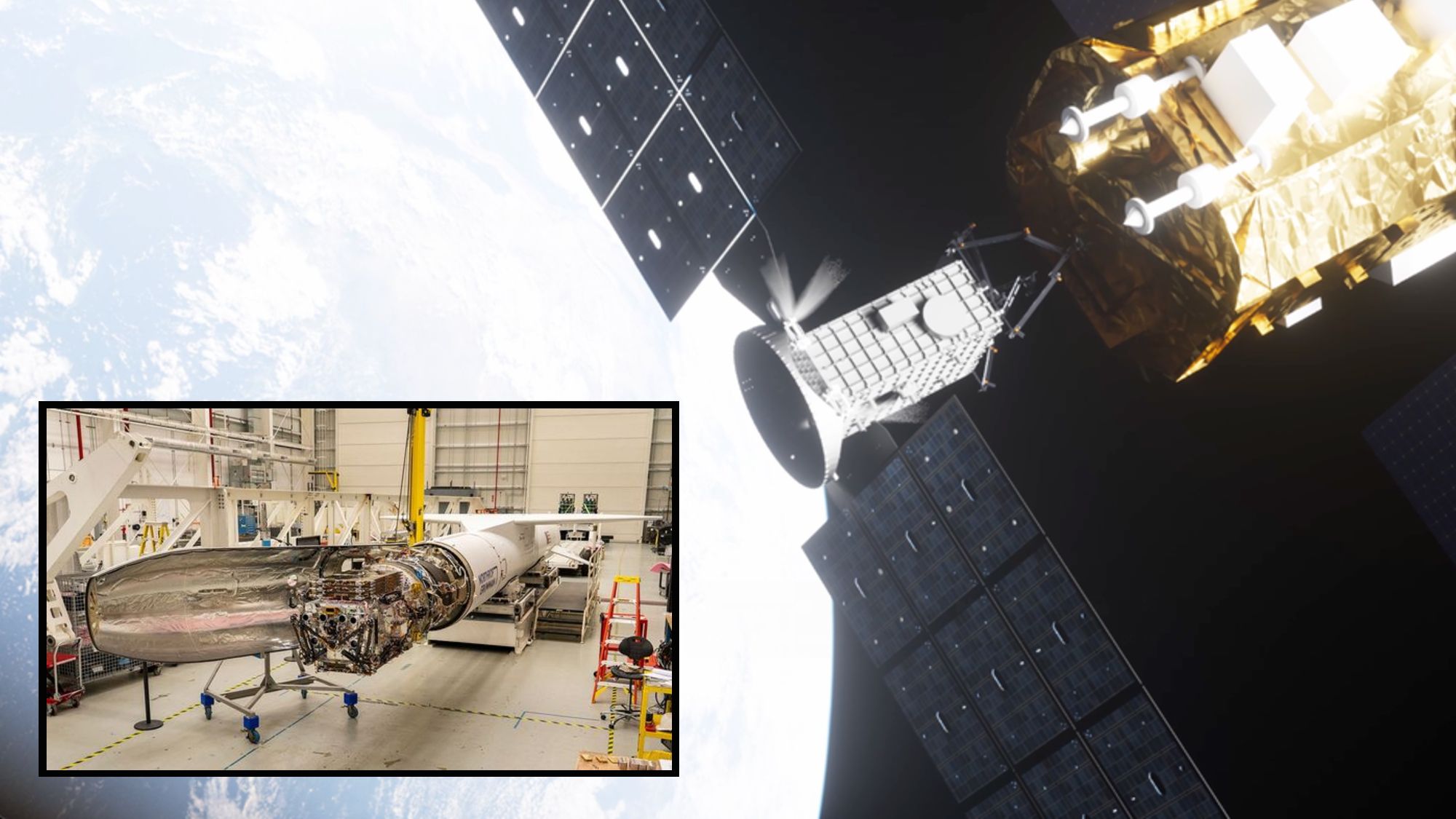
NASA’s Rescue Spacecraft Gets Stuck: The Mission to Save a Telescope Turns Into a New Challenge
NASA’s latest rescue mission hit an unexpected snag. On July 3, the agency launched the Swift Boost mission, sending a tiny but high‑tech spacecraft named LINK into low‑Earth orbit aboard the final flight of Northrop Grumman’s Pegasus XL rocket. Built by Arizona’s Katalyst Space Technologies, LINK was designed to hunt down and dock with the Swift observatory – a veteran space telescope – to give it a boost. However, once in orbit, LINK faced power hiccups and navigation glitches, threatening to leave it stranded before completing the rescue. NASA teams are now scrambling to troubleshoot, turning a rescue mission into a rescue‑for‑the‑rescuer.
Read more

LinkedIn Hits Pause on New Data Centers, Says AI Spending Needs a Reality Check
While AI giants such as OpenAI, Meta and Google are racing to build massive, chip‑filled data farms, LinkedIn has taken a different route. The professional‑networking platform, which serves more than 1.3 billion users, announced that it will not add any new data‑center capacity for the next twelve months. The decision comes amid a perfect storm of labor shortages, component supply bottlenecks and growing doubts about the long‑term sustainability of relentless AI‑focused spending. LinkedIn’s move is the first public admission from a major consumer‑facing business that the AI boom may be hitting its limits. By freezing its compute expansion, the company hopes to curb costs, avoid over‑provisioning, and focus on making better use of the hardware it already owns.
Read more

Simile Lands $200 Million Series B, Hits $2 B Valuation to Build Digital Humans for Market Research
Simile, a startup that creates computer‑generated “digital humans” to stand in for real consumers, just closed a $200 million Series B round, pushing its valuation to $2 billion. The funding came only five months after the company announced a $100 million Series A led by Index Ventures. The new round was headed by Greenoaks with participation from Index, Hanabi, Bain Capital Ventures, A\, Factory, Definition and CVS Health Ventures – the latter also counts as one of Simile’s first big customers. Founded by Stanford PhD Joon Sung Park, Simile promises to model “all eight billion people on Earth, accurately and honestly.” The platform lets marketers test ideas on virtual users before spending money on real‑world trials.
Read more
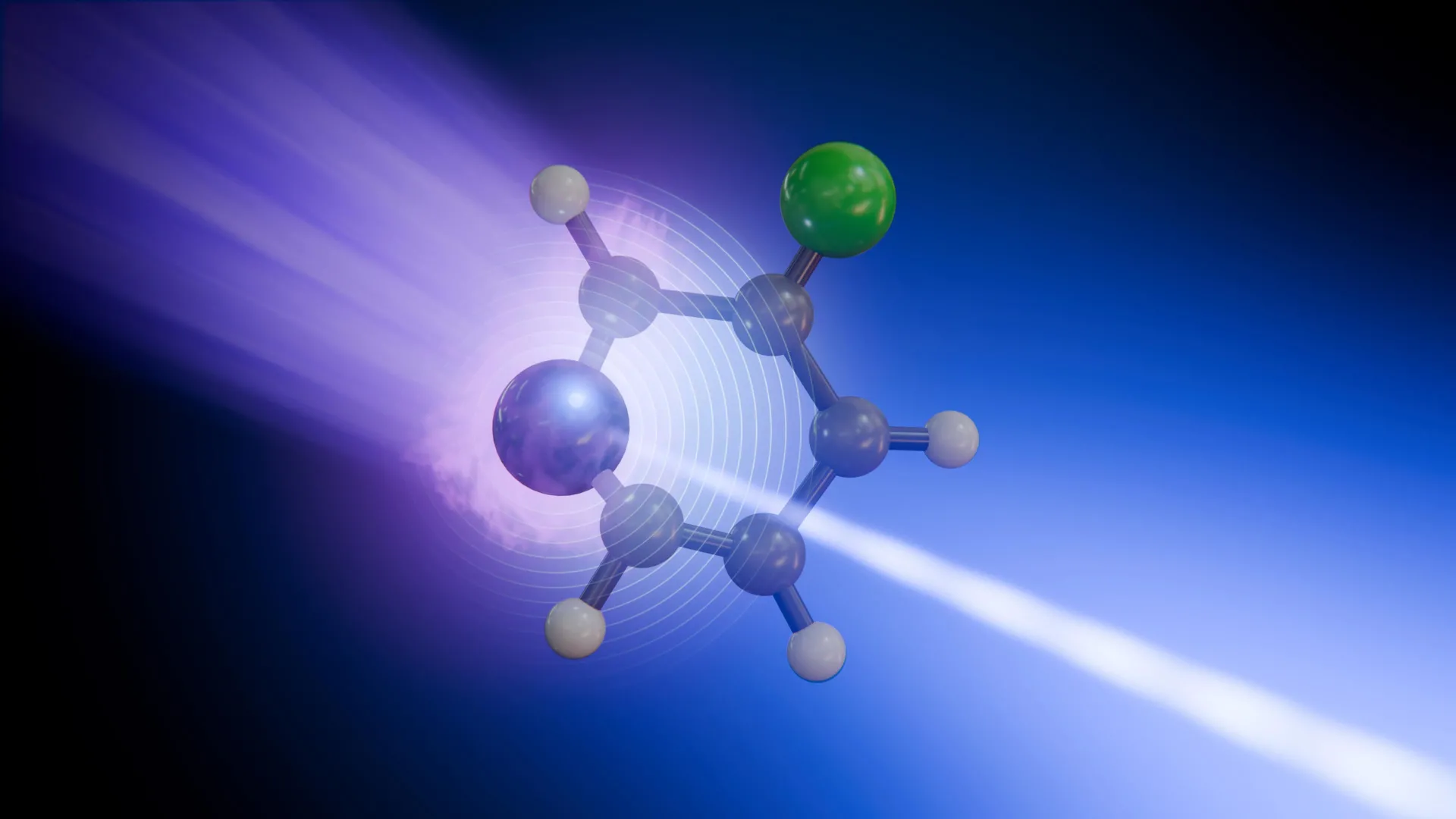
Lightning‑Fast X‑Rays Snap Chemistry in Action, Atom by Atom
Scientists using the European XFEL’s ultra‑short X‑ray flashes have filmed a chemical reaction the way a high‑speed camera captures a hummingbird’s wingbeat. In just a few trillionths of a second after a molecule absorbs a burst of light, the researchers watched each atom shift, vibrate, and rearrange, turning light energy into motion. By firing a series of X‑ray pulses at the reacting sample, they recorded a step‑by‑step “movie” that shows exactly how the absorbed photons set the atoms dancing, how bonds break, and how new ones form. This breakthrough gives chemists a clear window into the fleeting moments that drive everything from photosynthesis to solar‑cell technology.
Read more