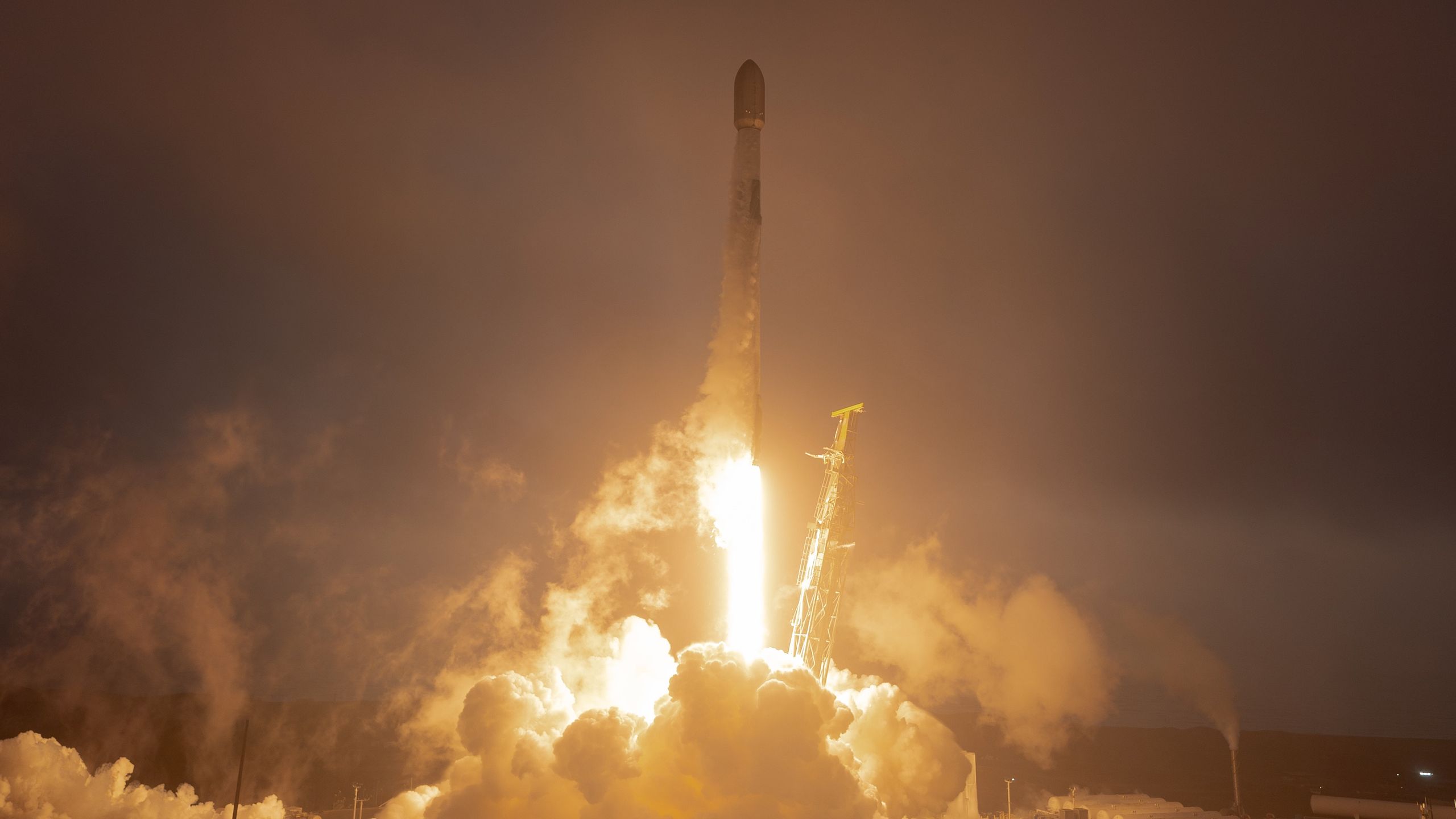
SpaceX Sends 24 New Starlink Satellites Skyward from California in Spectacular Launch
SpaceX lifted off from Vandenberg Space Force Base in California on Saturday, sending a fresh batch of 24 Starlink internet satellites into low‑Earth orbit. The mission, carried out by a Falcon 9 rocket, marks the company’s 89th launch of the year and the 69th dedicated Starlink flight in 2026, underscoring how quickly the constellation is expanding. The rockets roared to life at 10:00 GMT, climbing through the night sky before deploying the satellites in a carefully timed sequence that spreads them across the globe to boost broadband coverage for remote and underserved regions.
In addition to the Starlink payload, SpaceX has already logged three other major liftoffs this year: a powerful Falcon Heavy launch and two test flights of its next‑generation Starship vehicle, the massive reusable rocket designed to carry humans to the Moon, Mars, and beyond. The steady cadence of launches highlights SpaceX’s ambition to dominate both commercial satellite services and deep‑space exploration. As the new satellites settle into their orbital slots, users can expect faster, more reliable internet connections, while the broader space community watches the company’s rapid progress toward a truly global, space‑based network.
Read more

Google’s Gemini Takes Its First Steps: Controlling a Walking Humanoid Robot
Google DeepMind has just shown that its Gemini AI can steer a bipedal robot—think a machine that walks, balances and moves like a person. While rivals such as Anthropic and OpenAI have been busy perfecting chatbots and code‑writing tools, Google has quietly been building on a longer history of robotics research. The new demo pairs Gemini’s brainpower with a legged robot from Boston Dynamics, a company famous for its agile, dog‑like machines. In the test, the robot walks across a room, avoids obstacles and even mimics simple human gestures, all under Gemini’s real‑time guidance.
Carolina Parada, head of robotics at Google DeepMind, calls the achievement “another milestone on the road to physical AGI”—the idea that an artificial mind could perform any physical task a human can. The breakthrough suggests Google believes true AI value will come when software can leave the screen and act in the real world. If Gemini can reliably control walking robots, it could open doors to everything from warehouse automation to disaster‑response helpers. For now, the sight of a sleek, humanoid robot taking confident steps under AI control is a vivid glimpse of what the next generation of intelligent machines might look like.
Read more
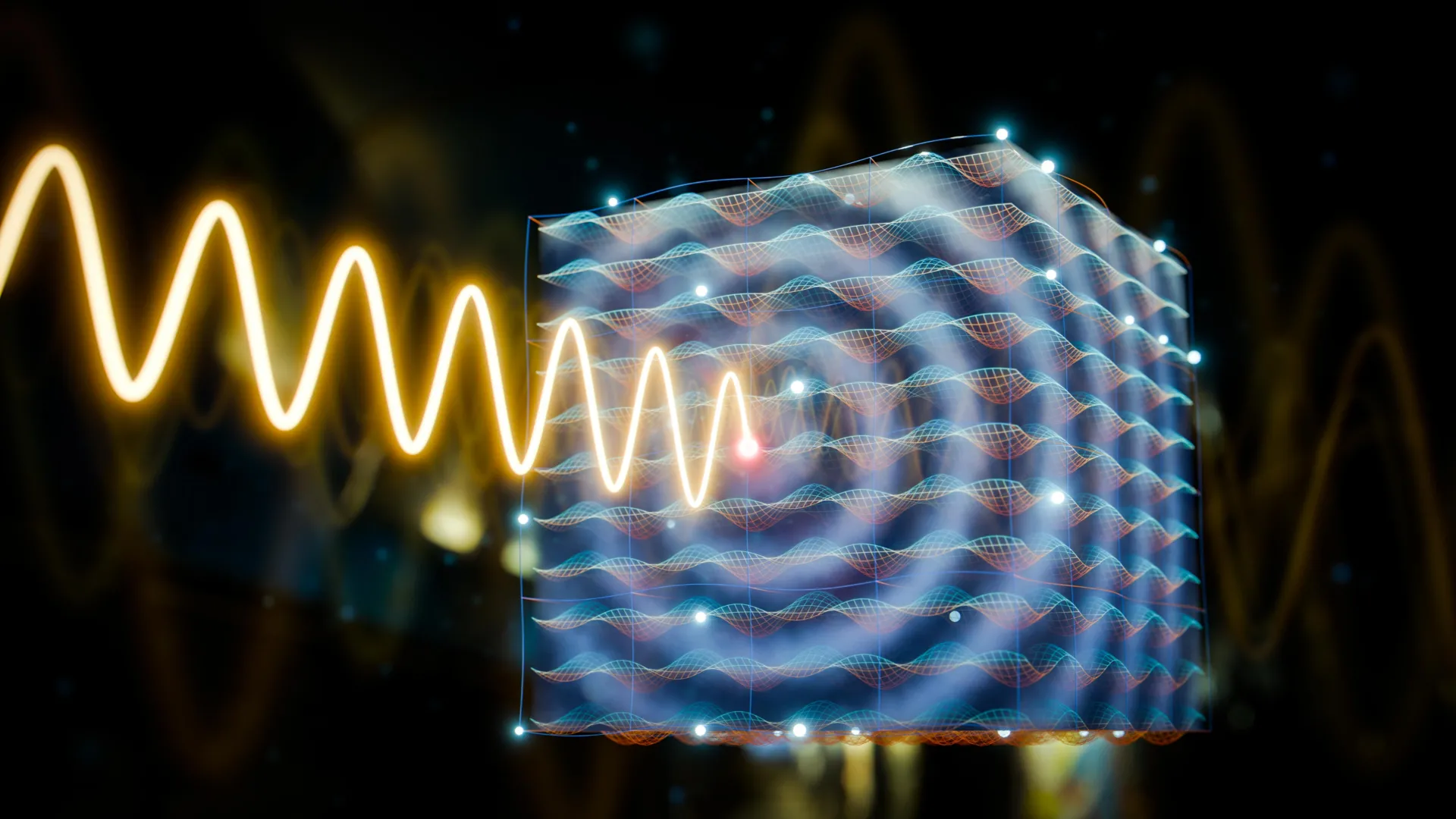
Scientists Build First ‘Time Crystal’ for Light—A Leap Toward Ultra‑Fast Tech
A research team at France’s École Polytechnique has unveiled the world’s first all‑optical photonic time crystal, a breakthrough that lets scientists reshape terahertz‑frequency light in a flash. By periodically switching the material’s optical properties in time—rather than in space—the new device can bend, pause, or speed up light pulses at rates far beyond today’s fastest electronics. The breakthrough opens doors to ultra‑fast computing chips that process data with light instead of electricity, communication systems that adapt instantly to traffic demands, and a new class of lasers whose color and intensity can be tuned in real time for medical imaging or manufacturing. Lead researcher Yannis Laplace explains that controlling light at terahertz frequencies has long been a holy grail for next‑generation technologies, from 6G wireless networks to advanced imaging. While still in the laboratory, the photonic time crystal could usher in computers that run thousands of times faster, sensors that see deeper into materials, and communication links that reconfigure themselves on the fly—ushering in a new era of light‑driven innovation.
Read more
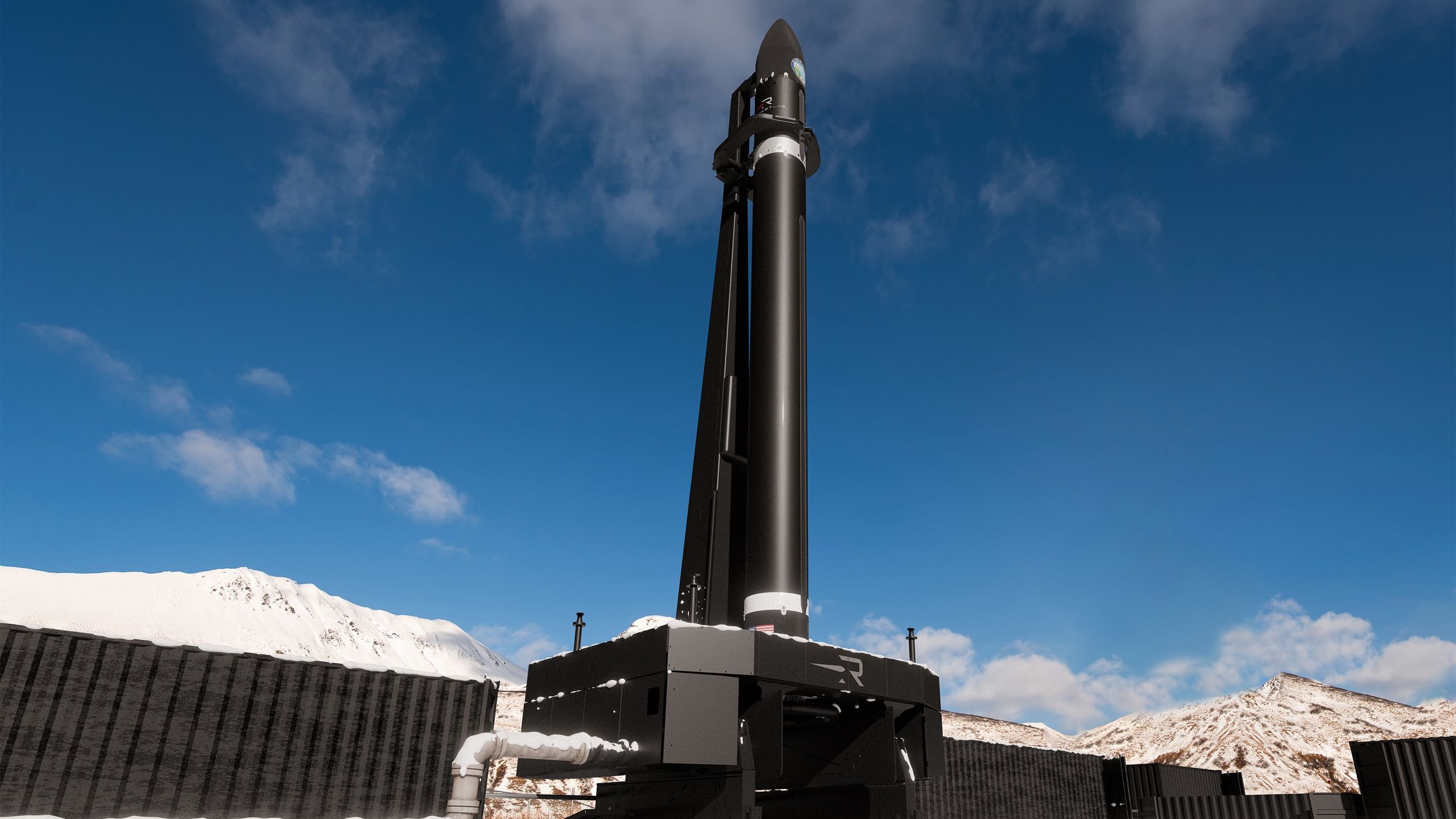
Rocket Lab Wins $266 Million Space Force Contract to Fire Missile‑Defense Tests from Alaska
Rocket Lab, the New Zealand‑based launch company best known for its small‑satellite rockets, has just secured a $266 million deal with the U.S. Space Force. Under the agreement, the firm will begin sending missile‑defense test flights from a new launch pad in Alaska. The missions will likely use HASTE, a sub‑orbital version of Rocket Lab’s Electron rocket that is already being used to fly hypersonic experiments. While the exact details of the payloads remain classified, the flights are expected to support the United States’ “Golden Dome” missile‑defense program, giving the military a fast, flexible way to test interceptors and tracking systems in real‑world conditions.
The Alaska site adds a strategic northern location to Rocket Lab’s existing launch network, which includes its home base on New Zealand’s Māhia Peninsula and two pads on Wallops Island, Virginia. Those Wallops pads have been the launch points for every HASTE flight so far, giving the company a proven track record with sub‑orbital missions. By expanding to Alaska, Rocket Lab can offer the Space Force quicker turnaround times and a broader range of launch azimuths, helping to keep America’s missile‑defense shield sharp. The partnership marks a significant step for the commercial space industry, showing how private launch providers are becoming integral partners in national security.
Read more