
Tragic Cost of Unproven Gene Therapy: 6‑Year‑Old’s Death Sparks Outcry in China
A six‑year‑old girl in China died after receiving an experimental gene‑therapy treatment that had never been approved for human use. Her parents, Jason and Linda, were told the procedure could cure her condition, but they were also asked to pay roughly $860,000—including informal “thank‑you” payments to members of the research team. Under Chinese law, charging patients for an untested therapy is illegal, yet the doctor’s company framed the money as an investment in the therapy’s development.
An investigation revealed that the hospital failed to register the trial as a commercial study and did not properly supervise the research. As a result, the hospital was fined about $3,600 and the doctor received only a verbal warning. The case has ignited a heated debate about China’s gene‑therapy regulations, the ethics of charging vulnerable families for experimental cures, and the need for stricter oversight to protect patients.
The parents are now demanding accountability and greater transparency in the country’s biotech industry. Their tragic loss highlights the human cost when cutting‑edge science moves ahead without adequate safety checks, prompting calls for reform to ensure that hope does not become a deadly gamble.
Read more

Colossal Biosciences Targets $20‑$30 B Funding Round as Its De‑Extinction Empire Expands
Colossal Biosciences, the bold biotech startup famous for trying to bring back extinct species like the dire wolf, is reportedly in talks to raise a fresh round of financing that could push its valuation to somewhere between $20 billion and $30 billion. The company, now five years old, has moved beyond the headline‑grabbing de‑extinction work and is beginning to generate real revenue, according to insiders.
Its portfolio of spin‑offs is growing fast: Breaking, a venture that tackles plastic waste, Form Bio, a cloud‑based computational biology platform that recently secured $30 million, and Astromech, an AI‑driven predictive‑modeling firm valued at $2 billion earlier this year. Colossal has also pitched its conservation tech to the U.S. government and the United Arab Emirates, the latter of which invested $60 million last year.
CEO Ben Lamm says the firm is eyeing three main revenue streams, ranging from licensing its genetic‑editing tools to offering AI‑powered research services. In addition, the company plans to spin off its artificial animal‑womb technology—potentially a game‑changer for human fertility—expected to be ready for trials next year. While the exact size and lead investor of the new funding round remain under wraps, the buzz suggests that investors are betting on Colossal’s blend of science‑fiction ambition and practical biotech solutions.
Read more
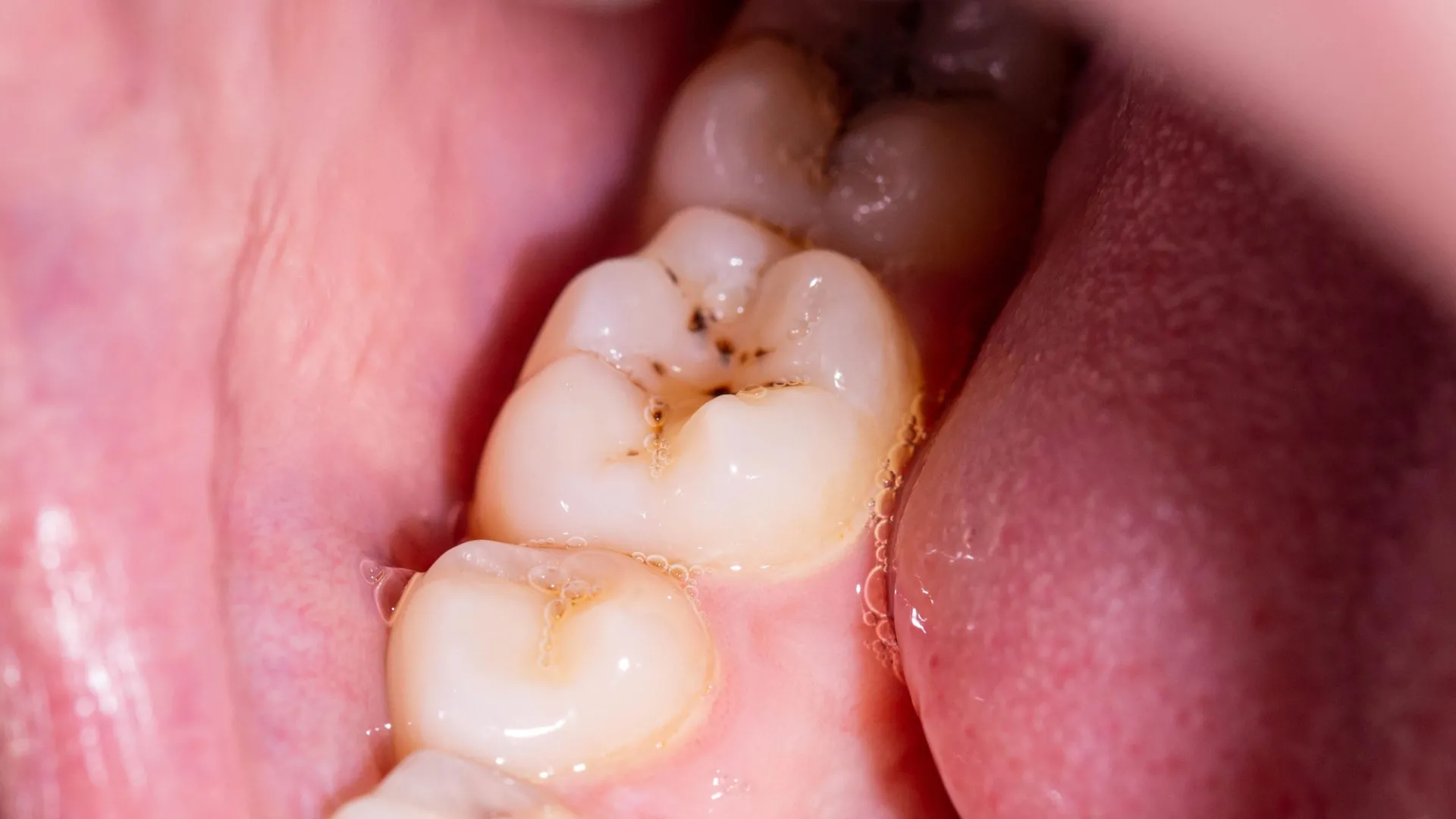
Breakthrough Gel Could Grow Back Tooth Enamel—Say Goodbye to Cavities!
Scientists have unveiled a fast‑acting gel that can actually rebuild the hard outer layer of teeth, opening the door to a future where cavities become a thing of the past. The secret is a specially engineered formula that can be applied in a matter of minutes and manufactured at large scale, making it a realistic candidate for everyday dental products. Researchers envision the gel being used in a range of ways: as a professional treatment to reverse enamel erosion, as an over‑the‑counter solution for people with sensitive teeth, and even as a component that strengthens fillings and other restorations.
The technology is moving beyond the lab thanks to a new start‑up, Mintech‑Bio, which is already working on turning the discovery into a marketable clinical product. If successful, dentists could offer quick, painless enamel‑repair sessions, and consumers might soon find toothpaste or mouth‑wash that actively restores tooth surface. This innovation could dramatically cut down the need for fillings, reduce dental pain, and improve overall oral health for millions of people.
Read more
Digital Twins Go Live: How 3‑D Twins Are Becoming the Backbone of Real‑World AI
The race to build smarter machines is no longer just about feeding AI massive data sets – it also needs a digital playground that mirrors the physical world. That’s why today’s digital twins are evolving from static 3‑D visualizations into interactive, simulation‑ready platforms that can train robots, test equipment, and verify complex physical laws.
Historically, twins were used mainly for visualizing BIM, GIS, IoT and video feeds in sectors such as smart factories, rail, airports and petrochemicals. As model sizes grew, engineers hit performance bottlenecks: ultra‑large BIM files loaded slowly, and many platforms could only show pretty pictures without supporting real‑time physics or business logic.
Enter the “one model, two engines” approach championed by Digital Twin World Technology. A single, unified 3‑D model can now be rendered both in‑browser via WebGL for quick access and in the cloud with high‑fidelity ray‑tracing when heavy simulation is needed. This eliminates duplicate modeling, cuts development costs and lets the same scene run on desktops, large‑screen command centers, mobile devices and XR headsets.
The industry is also rallying around OpenUSD, an open standard for 3‑D assets, combined with NVIDIA Omniverse to enable seamless asset exchange, realistic physics and collaborative development. With these advances, digital twins are shifting from “visibility” tools to “experiment” platforms that accelerate design, construction, operations and, crucially, the training of embodied AI. In short, the digital twin is becoming the essential infrastructure that lets artificial intelligence truly understand and act in the real world.
Read more
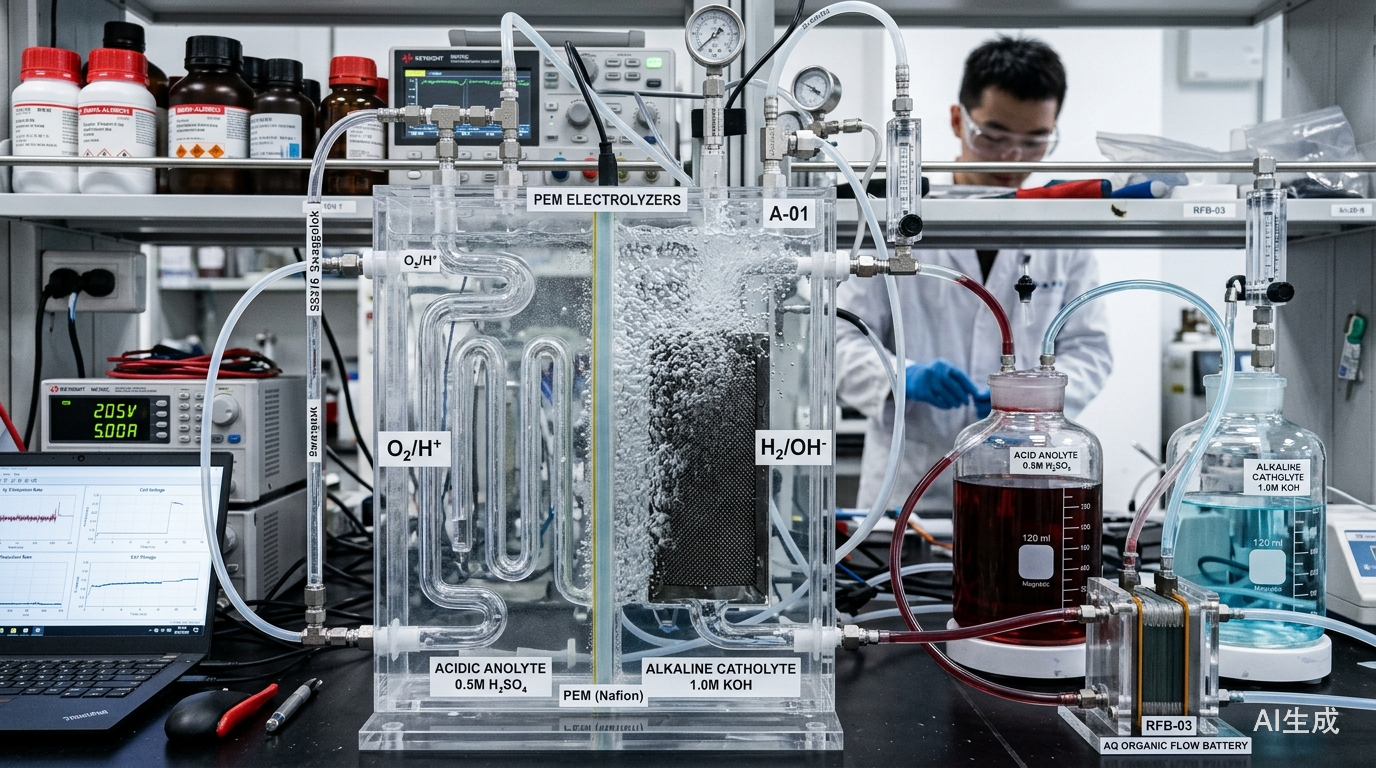
How Special Membranes Could Power a Carbon‑Neutral Future, Says Chinese Academy Scientist
In a recent interview, Chinese Academy of Sciences academician Xu Tongwen explained why thin‑film “ion membranes” are becoming a hidden hero in the race to cut carbon emissions. Xu, a professor at the University of Science and Technology of China, says that separation science – the art of pulling useful chemicals apart from waste – is the backbone of everything from cleaner batteries to green hydrogen.
His team focuses on four key areas: turning acidic, alkaline and salty waste streams into valuable resources; redesigning industrial processes with “bipolar” membranes that split water into pure acid and base on demand; using alkaline‑membrane electrolysis to make hydrogen without fossil fuels; and improving organic flow batteries for long‑term energy storage.
Bipolar membranes are especially exciting because they combine a positively‑charged layer with a negatively‑charged one. When electricity runs through them, ordinary water (or even heavy water) breaks into hydrogen‑rich and hydroxide‑rich streams, eliminating the need to ship corrosive acids or bases. This not only slashes pollution but also cuts energy use and costs.
A recent Nature paper by Xu’s group showed that heavy water dissociates even faster, opening a cheap route to deuterated chemicals that currently cost thousands of yuan per gram. By simplifying production and lowering carbon footprints, Xu believes membrane technology could become a cornerstone of China’s “dual‑carbon” (peak‑carbon and carbon‑neutral) goals.
Read more
China’s Premier Zoology Hub: 90‑Year Legacy of the Institute of Zoology, CAS
The Institute of Zoology of the Chinese Academy of Sciences (CAS) is a national public‑welfare research powerhouse with a history that stretches back to 1928. Born from three early 20th‑century research bodies—the Jing Sheng Biological Survey Institute, the Zoology Research Institute of the Beijing Academy of Sciences, and the Central Academy of Sciences’ Zoology Institute—it was formally unified in 1962 to become today’s Institute of Zoology. Over its 90‑year journey the institute has nurtured 16 Chinese Academy of Sciences academicians and pioneered dozens of zoological sub‑disciplines, from animal classification and evolution to pest control and endangered‑species protection.
Today the institute runs two national key laboratories—Organ Regeneration & Intelligent Manufacturing, and Animal Diversity Conservation & Pest Control—plus two national resource banks for stem cells and animal specimens. It supports major national strategies such as “Healthy China” and “Beautiful China,” tackling challenges in public health, modern agriculture, and biodiversity. The institute also grants doctoral and master’s degrees, hosts a post‑doctoral station, and runs a museum.
Its publishing arm produces several influential journals, including *Insect Science*, *Integrative Zoology*, *Current Zoology*, and *Journal of Entomology*, helping disseminate cutting‑edge research worldwide. In short, the Institute of Zoology stands at the forefront of animal science in China, blending deep‑rooted tradition with forward‑looking innovation.
Read more