June 2026 TechRadar Archive: 1,400+ Stories on AI, Cybersecurity, and the Future of Tech
The June 2026 archive on TechRadar is a treasure trove of more than 1,400 articles that capture the most pressing tech trends of the month. From deep dives into "alert fatigue" – the overwhelming stream of security warnings that can desensitize even seasoned professionals – to the emerging phenomenon of "autopilot fatigue," where over‑reliance on automated systems erodes human vigilance, the collection offers clear, real‑world insights. A standout feature is the exploration of "agentic AI" and how its growing autonomy reshapes cyber‑risk landscapes, prompting experts to rethink defense strategies. Readers will also find quick‑hit pieces under the "Under the Radar" banner, highlighting hidden gems and niche innovations that could soon become mainstream. Whether you’re a tech enthusiast, a cybersecurity specialist, or simply curious about how AI is changing everyday life, this archive provides concise, engaging narratives that cut through jargon. Each story is crafted to be accessible, offering practical takeaways without the heavy technical lift. Dive in to stay ahead of the curve, discover emerging threats, and see how the next wave of intelligent tools is set to redefine both work and play.
Read more
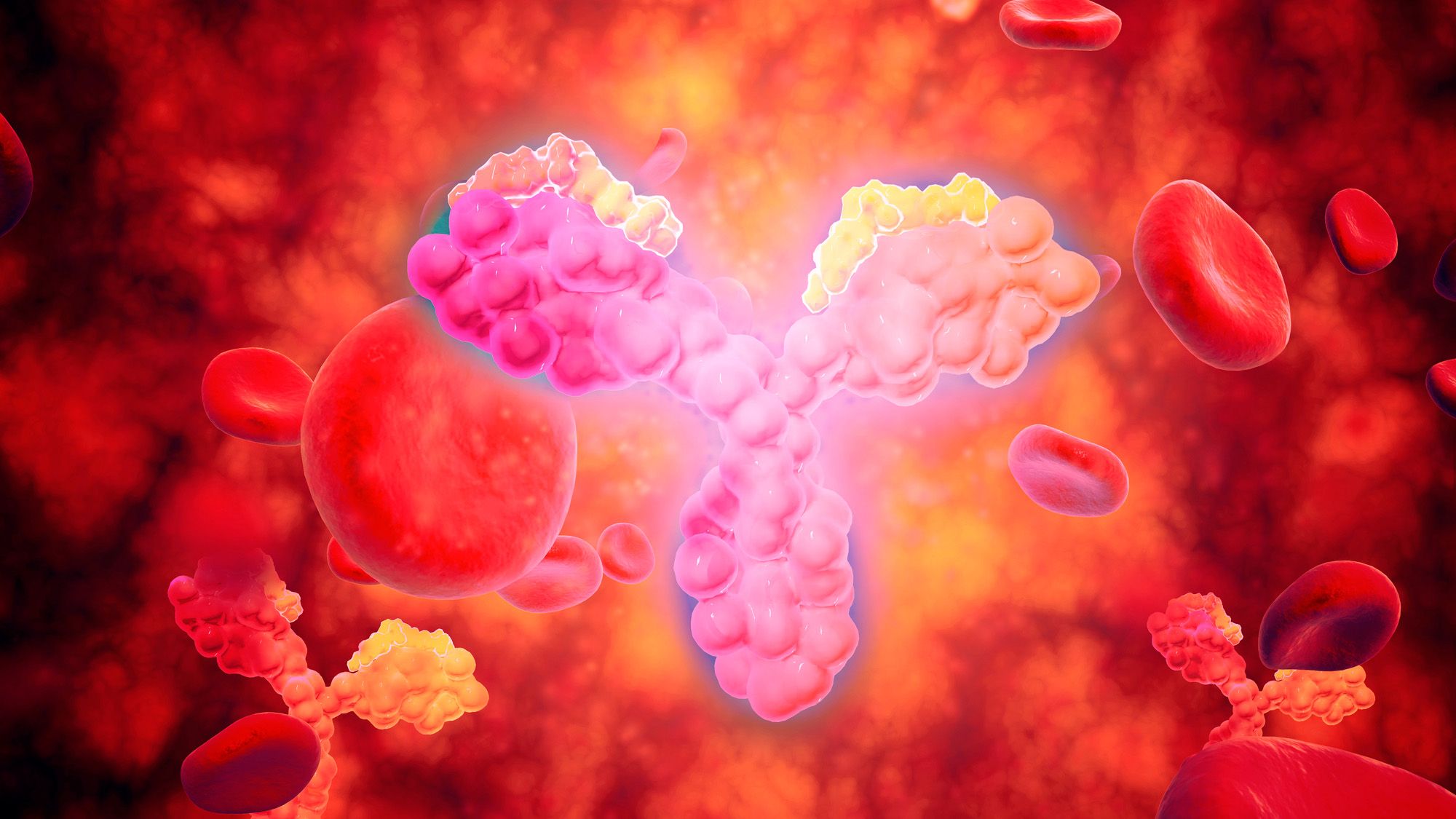
New Blood Test Finds Tiny Protein That May Trigger Crohn’s and Ulcerative Colitis
A recent study has zeroed in on a possible hidden trigger for inflammatory bowel disease (IBD), which includes Crohn’s disease and ulcerative colitis. Researchers examined blood samples from more than 4,900 people with IBD and over 1,000 healthy volunteers. They discovered that roughly 3.5% of the IBD patients carried a specific auto‑antibody—a protein that mistakenly attacks the body’s own tissues—while the antibody was virtually absent in the control group.
To see what this antibody does, scientists mixed blood from the antibody‑positive patients with immune cells in the lab. The cells produced far less of IL‑10, a calming signal that normally keeps inflammation in check, and instead released chemicals that fuel inflammation. This suggests the auto‑antibody could tip the immune system toward a harmful, over‑active state in the gut.
While the antibody was only found in a small slice of the IBD population, its strong link to inflammatory activity makes it a promising target for future diagnostics or treatments. If doctors can identify patients with this marker early, they might be able to intervene before severe gut damage occurs, offering new hope for millions living with IBD.
Read more