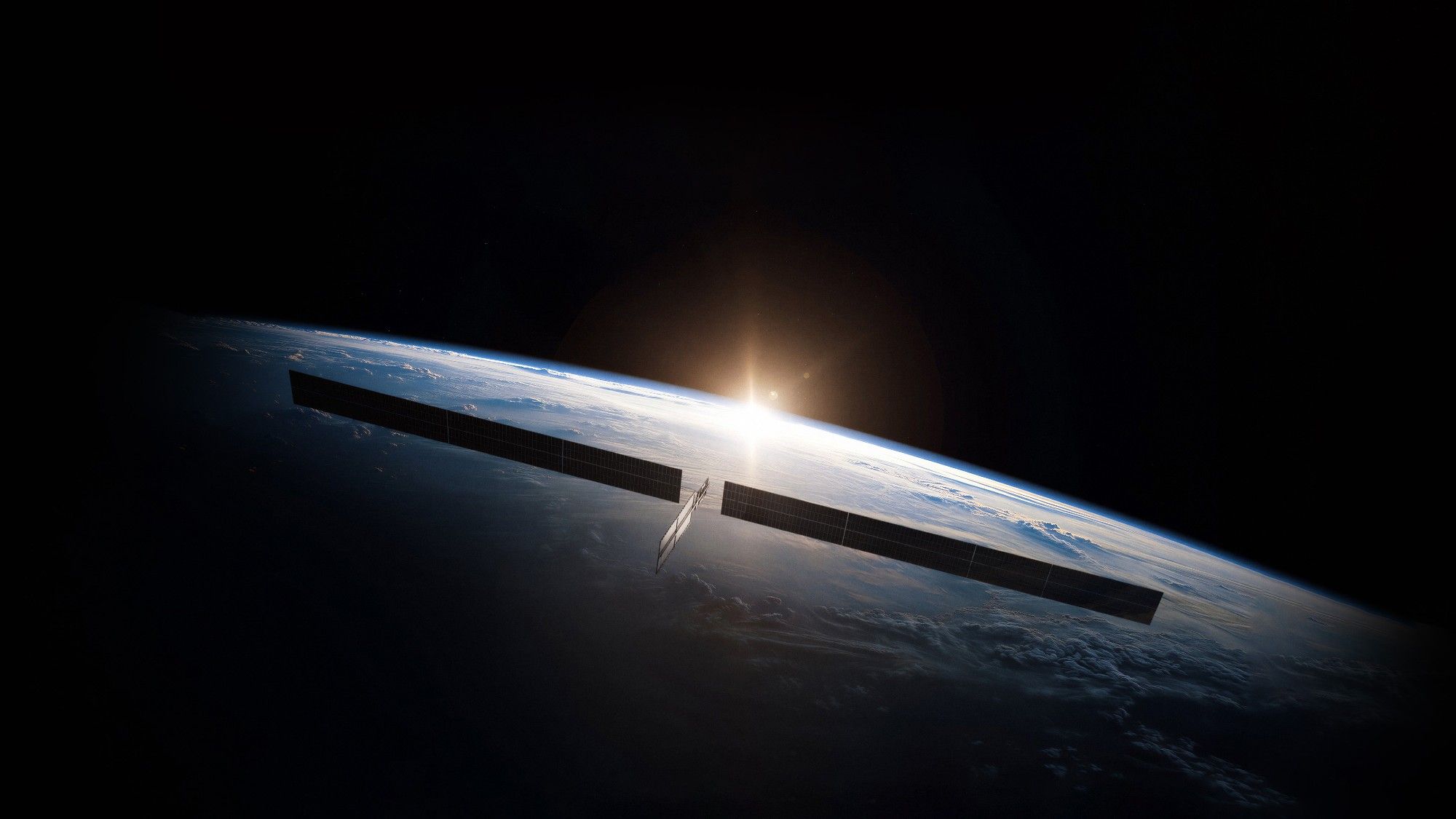
SpaceX Unveils ‘Starmind’: A Million‑Satellite AI Super‑Network to Power the Future
SpaceX has announced the name of its next‑generation AI satellite network: Starmind. The plan is to launch roughly one million tiny satellites that will act as orbital data centers, using near‑constant solar power to run massive AI workloads. If the project stays on track, Starmind will be about 100 times larger than the current Starlink constellation, turning low‑Earth orbit into a global super‑computer. Elon Musk said the system could help scale compute for billions of users while advancing humanity toward a “Kardashev II‑level” civilization—one that can fully harness the Sun’s energy. The satellites are designed for minimal maintenance and low operating costs, promising a cheap, reliable backbone for AI‑driven services ranging from real‑time language translation to autonomous vehicle coordination. Musk’s February 2026 update highlighted the vision of a “sunny” space where data flows freely, supporting both Earth‑based AI applications and the long‑term goal of a multi‑planetary future. Starmind represents the most ambitious of SpaceX’s stellar projects, aiming to reshape how the world computes, communicates, and explores the cosmos.
Read more
Chinese Startup Unleashes AI‑Powered Simulator to Fast‑Track Fusion Power
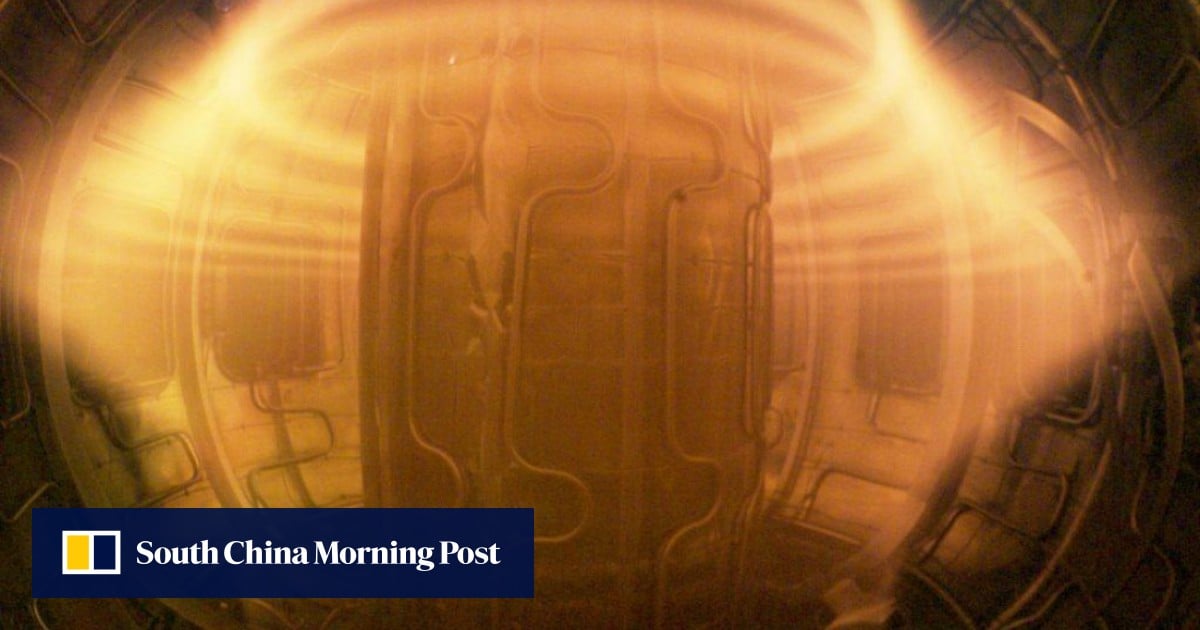
A Beijing‑based startup, VeloAlpha, is shaking up the quest for fusion energy with a new AI‑enhanced software tool called FusionAlpha. Founded in April by plasma‑physics veteran Xie Huasheng, the platform lets researchers model and test reactor designs on a computer before spending millions on real‑world experiments. Xie likens FusionAlpha to the electronic design automation tools that chipmakers use to perfect circuits long before they hit the fab floor.
For decades, fusion scientists have wrestled with an "impossible triangle" of software choices: highly accurate models that demand massive computing power, fast but unreliable shortcuts, or simple tools that can’t predict real‑world performance. FusionAlpha aims to break that deadlock by marrying refined mathematical frameworks with cutting‑edge artificial‑intelligence techniques, dramatically boosting the speed and precision of more than a dozen simulation models.
The result, Xie says, is a turning point for the industry—researchers can now iterate designs faster, cut costly trial‑and‑error cycles, and move closer to delivering the virtually limitless, clean power that fusion promises. By turning the sun’s secret into a practical engineering workflow, VeloAlpha hopes to bring humanity one step nearer to a sustainable energy future.
Read more
Surprise Ally in Fusion Power: Alpha Particles Tame Turbulence
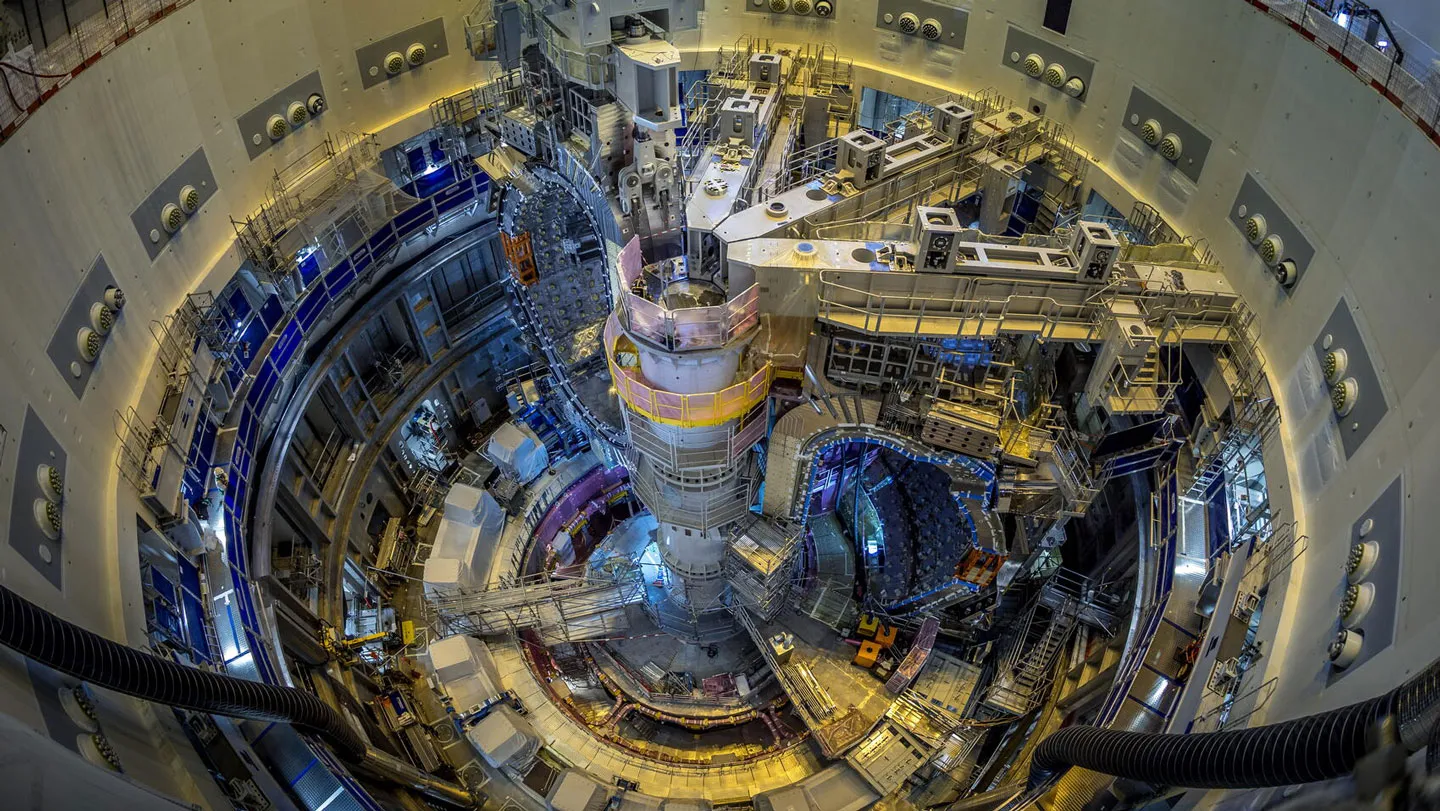
New computer simulations of two upcoming fusion reactors have revealed an unexpected boost to performance: the very particles once feared could cause trouble—alpha particles—are actually calming tiny, heat‑stealing eddies inside the reactor. When hydrogen nuclei fuse, they release energetic alpha particles. Researchers found that these fast‑moving particles spread out and dampen small‑scale turbulence, the swirling motions that normally siphon heat away from the reactor’s core and lower efficiency. This discovery, detailed in a paper posted to arXiv on May 11, adds to a growing body of evidence that alpha particles may play a constructive role in fusion reactors, contrary to earlier concerns that they would destabilize the plasma. By smoothing out turbulence, the alpha particles help keep the plasma hotter and more stable, bringing us a step closer to achieving practical, carbon‑free fusion energy. If these findings hold up in real‑world experiments, they could simplify reactor designs and accelerate the path toward clean, limitless power—mirroring the process that fuels our Sun, but without the long‑lived radioactive waste of traditional nuclear fission plants.
Read more

From Smoother Video Playback to Smarter Robots: The Engineer Revolutionizing Remote IT
A veteran software engineer who once optimized the popular VLC video player for flawless streaming is now turning his talent toward the world of robotics. Leading the charge at Kyber, a fast‑growing startup, he’s tackling three hot‑button markets: autonomous drones, industrial robots, and remote IT access for devices spread across the globe.
Kyber’s mission is to replace clunky, custom‑built remote‑desktop solutions—once the domain of pricey, closed‑source giants like Citrix—with an open‑source platform anyone can adopt. The company believes that the current patchwork of expensive, proprietary tools is holding back innovation in fields that rely on real‑time control, such as warehouse automation and aerial surveying.
By leveraging his experience in low‑latency video streaming, the engineer is building a lightweight, high‑performance stack that lets operators see and command robots as smoothly as they would watch a movie. The approach promises to cut costs dramatically while opening up advanced robotics to smaller firms and hobbyists alike.
Kyber’s leadership says the market for remote IT access alone runs into the billions, and with the added demand for drone and robot control, the startup is poised to become a key player in the next wave of AI‑driven hardware. The team’s job listings hint at a culture of open collaboration, aiming to share the tools they develop with the broader tech community.
Read more