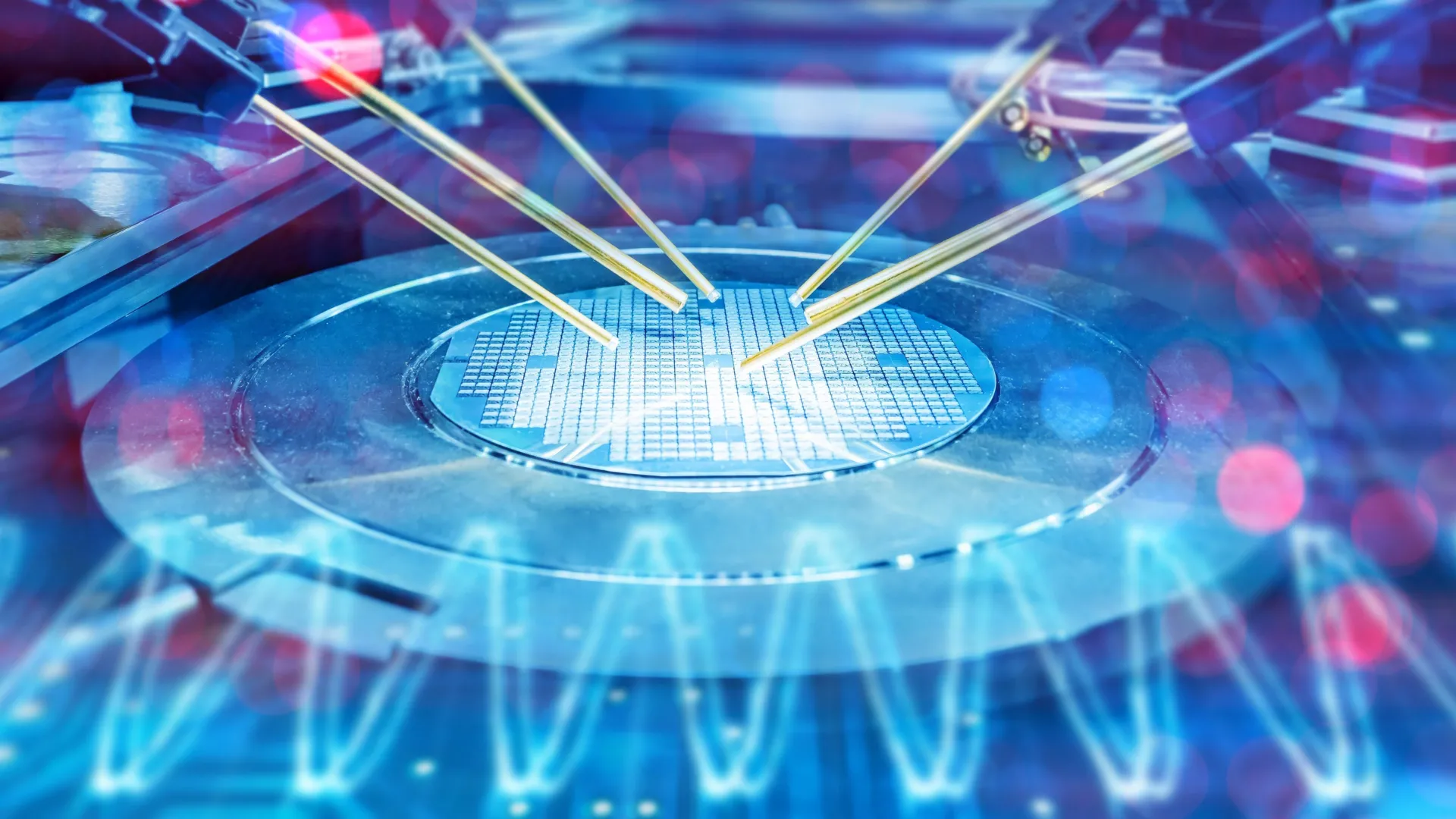
Breakthrough Plasma Technique Paves Way for Tiny, Super‑Fast Chips
Engineers have hit a major roadblock: traditional silicon chips are reaching their size limits. A team at Princeton University has discovered a clever chemical shortcut that could keep Moore’s Law alive. By lightly coating a super‑thin material called molybdenum disulfide with oxygen or fluorine, they can use a plasma—a charged gas—to shave off just a single layer of atoms without damaging the layer beneath. This ultra‑precise “peeling” process is far safer and more controlled than existing methods, which often rough up the material and cause defects. The result is a cleaner surface that can be stacked into ever‑smaller, more powerful electronic components. If manufacturers adopt this technique, future devices—from smartphones to supercomputers—could become slimmer, faster, and more energy‑efficient. The discovery not only offers a practical solution for the next generation of 2‑D material chips but also opens new possibilities for other ultra‑thin technologies that need atomic‑level precision. In short, a simple chemical tweak may unlock the next era of miniaturized, high‑performance electronics.
Read more
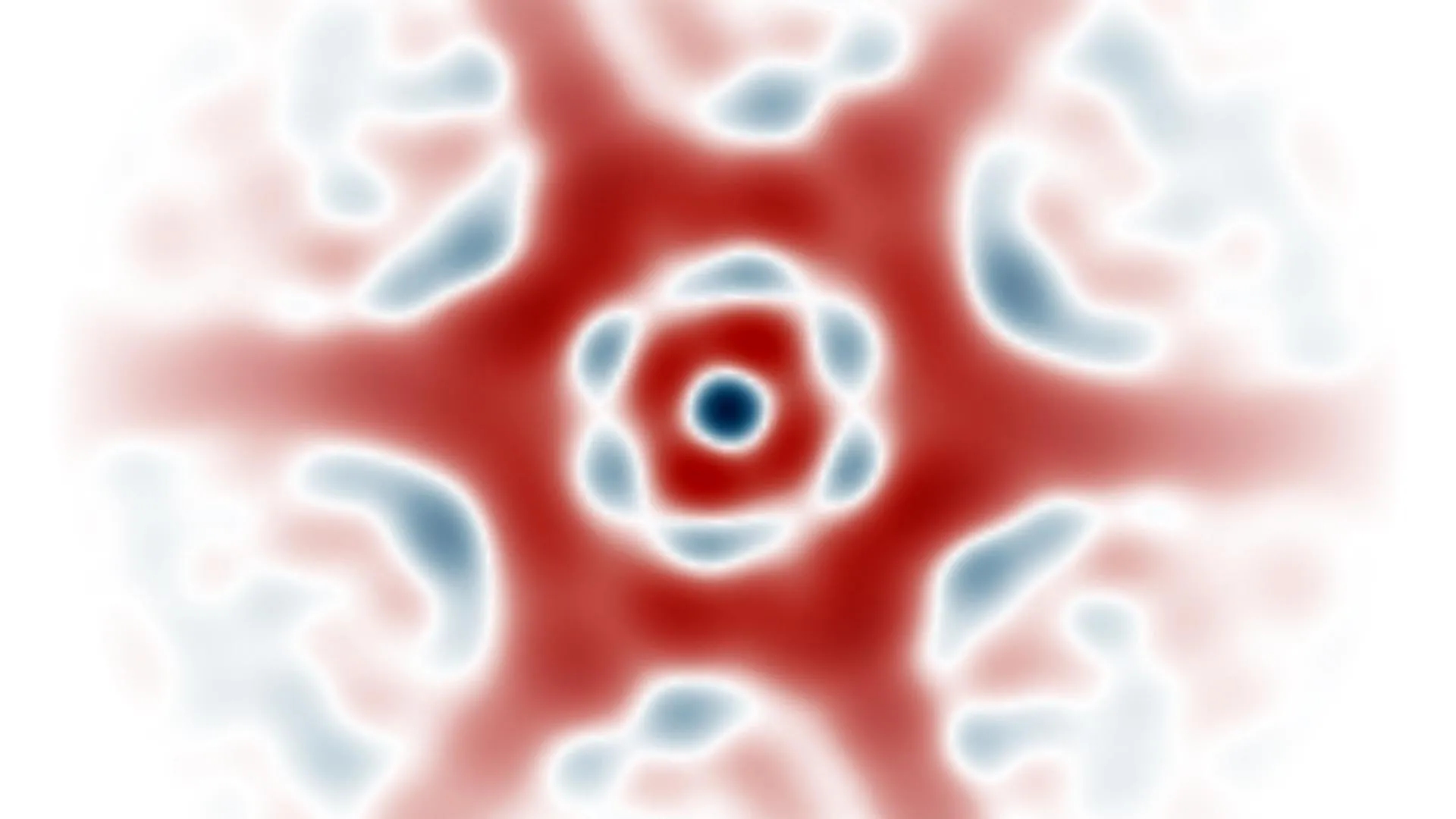
Oxford Researchers Unveil a New Twist on Schrödinger’s Cat
Physicists at the University of Oxford have announced a breakthrough that makes the famous Schrödinger’s cat thought experiment even more mind‑bending. By engineering a brand‑new kind of quantum state—one that behaves like a cat that is simultaneously alive and dead, but built from components that are themselves deeply quantum—they have opened a fresh window onto the weirdness of the sub‑atomic world. The team, led by Dr. Raghavendra Srinivas, used tiny quantum oscillators—tiny vibrating systems that can exist in many states at once—to create this exotic “cat‑like” condition. Their experiments showed that these states are surprisingly robust, meaning they could survive the noise that typically disrupts quantum information. This resilience hints at a practical payoff: future quantum computers might use such oscillators instead of traditional quantum bits, potentially making them more stable and powerful. While the work is still in its early stages, the researchers are excited about the dual promise of new technology and deeper insight into the fundamental rules that govern reality. As Dr. Srinivas puts it, they are only beginning to scratch the surface of what these strange states can do.
Read more
Oxford Researchers Unveil a New ‘Schrödinger’s Cat’ State That Could Supercharge Quantum Computers
Physicists at the University of Oxford have taken the famous thought experiment of Schrödinger’s cat to a whole new level. By engineering a fresh kind of quantum state—one that behaves like a cat that is simultaneously alive and dead, but built from components that are themselves deeply quantum—they have opened a door to more robust quantum technologies. The team, led by Dr. Raghavendra Srinivas, demonstrated that these exotic states can be created and controlled in the lab, sparking excitement among colleagues who see the work as a glimpse of what’s possible beyond today’s quantum bits. The breakthrough suggests that future quantum computers could rely on quantum oscillators—tiny, vibrating systems—rather than just simple qubits, potentially making them less fragile and more powerful. While the research is still in its early stages, the Oxford group believes it could both accelerate practical quantum devices and deepen our understanding of the bizarre rules that govern the sub‑atomic world. In their own words, they are "still scratching the surface" of these strange states, hinting at a future where quantum computers become far more resilient and capable.
Read more