China Breaks New Ground in Space Solar Power: ‘Chasing the Sun’ Project Powers Drones from Orbit
China’s ambitious “Chasing the Sun” program has taken a giant leap toward turning space‑based solar panels into real‑world power sources. Led by Academy of Engineering member Duan Baoyan at Xidian University, the team has solved several of the toughest technical hurdles that have kept space solar power in the realm of theory. In a series of ground‑based tests, they built a verification system that can beam microwave energy over 100 meters and deliver more than a kilowatt of power. The system can simultaneously charge multiple moving targets – for example, a fleet of drones flying at 30 km/h – with an efficiency of about 20 % and a beam‑capture rate of 88 %. One test showed a drone receiving a steady 143 watts while cruising 30 meters away. The breakthrough lies in a new “distributed Omega” design that couples solar concentration, high‑efficiency photo‑conversion, and compact, lightweight antennas, making it feasible to launch such stations into orbit. Experts at a recent technology‑transfer meeting in Shaanxi said the results are internationally leading and open the door to large‑scale, engineering‑grade space solar stations that could wirelessly power satellites, ground vehicles, or remote installations. With these milestones, China moves from laboratory concepts to practical applications, promising a future where clean energy can be beamed from space to Earth.
Read more
Huawei’s ‘Tao Law’ Promises a New Era for Chinese Chipmaking
Huawei has unveiled a bold new framework called the “Tao (τ) Law,” shifting the semiconductor game from the traditional race to shrink transistors toward cutting the time it takes for signals to travel inside a chip. Analysts say this could be the industry’s next “DeepSeek moment,” sparking fresh confidence in China’s home‑grown chip ecosystem.
In the past six years, Huawei has already designed and mass‑produced 381 different chips that power everything from smartphones to industrial equipment. The upcoming Kirin processor, slated for release in autumn 2026, will be the first to use “logical folding,” a technique that dramatically boosts speed and efficiency. By 2031, Huawei aims to reach a transistor density comparable to a 1.4 nm process—without relying on costly extreme‑ultraviolet (EUV) lithography machines.
Experts from Bloomberg, Reuters and IDC note that the Tao Law tackles the bottleneck of inter‑module communication latency, a factor now seen as more limiting than raw transistor count. By redesigning chip architecture, stacking layers, and optimizing data pathways, the approach promises higher performance and lower power use even as physical limits loom over Moore’s Law. International observers say the strategy could reshape global semiconductor development and give China a decisive edge in building an independent, high‑tech industrial base.
Read more

Inside ITER: The Reactor That Burns 10 Times Hotter Than the Sun
Step inside ITER, the world’s biggest fusion experiment, where scientists from dozens of countries are trying to copy the Sun’s power plant on Earth. Inside the massive doughnut‑shaped chamber, hydrogen atoms are heated to temperatures that dwarf even the Sun’s core—about ten times hotter—creating a plasma that can fuse together and release huge amounts of clean energy. Unlike traditional nuclear power, fusion produces no long‑lived radioactive waste and uses fuel that’s abundant in seawater. The video walks viewers through the towering superconducting magnets that squeeze the plasma, the ultra‑precise laser systems that monitor every reaction, and the international teamwork that keeps the project moving forward. It also explains why achieving and sustaining those extreme temperatures is such a scientific milestone and how, if successful, ITER could pave the way for a new era of carbon‑free electricity. With climate change accelerating, the promise of limitless, safe power is more exciting than ever. The footage captures the awe‑inspiring scale of the reactor, the dedication of the engineers, and the hopeful vision of a future where the Sun’s energy is harnessed right here on our planet.
Read more
Classical Laptop Beats Quantum Claims: New Algorithm Cracks Complex Qubit Puzzle
A team of researchers from the Flatiron Institute’s Quantum Physics Center and Boston University has shown that a regular computer can solve a quantum‑physics problem that many thought required a quantum machine. In a paper published in *Science*, they used a clever mix of old‑school mathematics and modern “tensor‑network” tricks to simulate the behavior of a lattice made up of hundreds of qubits. By compressing the massive wave‑function data into interconnected tensors and reviving a 1980s “belief propagation” algorithm, they ran the calculations on a personal laptop—something previously believed to need a cutting‑edge quantum processor. Their results matched the predictions of earlier quantum‑hardware experiments, suggesting that the so‑called “quantum supremacy” claim may have been overstated. The breakthrough dramatically lowers the cost and technical barrier for studying complex quantum systems, offering a new benchmark for future quantum research. The authors say this is just the beginning; they plan to tackle even tougher electron‑dynamics problems that underpin quantum materials. Their work highlights that classical computers still have untapped potential, especially when paired with innovative algorithms.
Read more
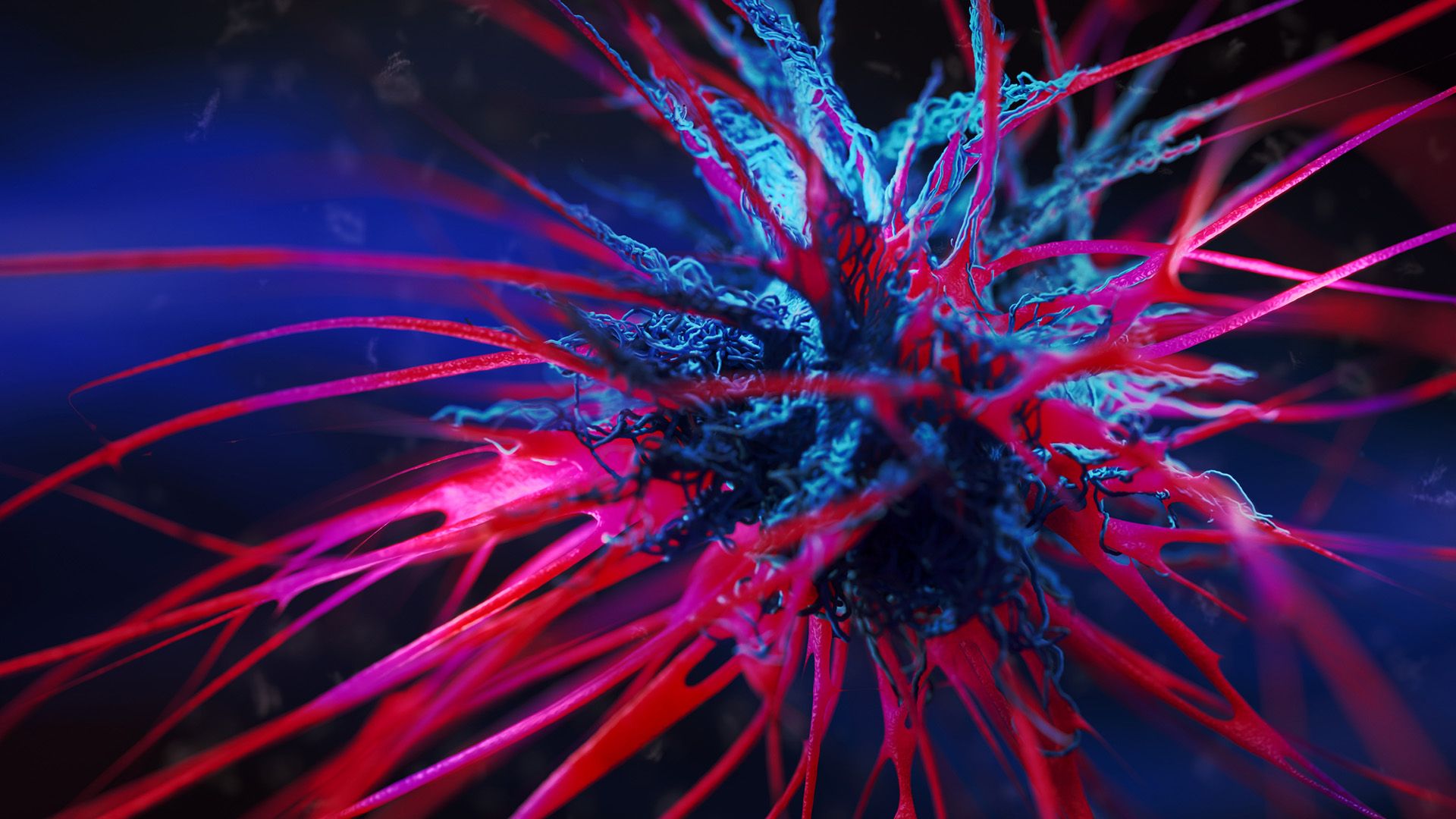
Asthma Medicine Shows Promise Against Tough Breast Cancers, Early Study Finds
A routine asthma pill may soon become a surprise weapon against some of the hardest‑to‑treat cancers, according to a new early‑stage study. Researchers discovered that the drug blocks a protein called CysLTR1, which many tumors hijack to turn a type of white blood cell—neutrophils—into “sleepers” that stop attacking the cancer. Normally, neutrophils help destroy tumor cells, call in other immune fighters, and boost the impact of certain cancer therapies. By stopping the tumor from pulling the plug on these cells, the asthma medication re‑awakens the immune system’s natural defenses. The findings, published in the journal *Nature Cancer*, focused on aggressive triple‑negative breast cancer, a form that lacks the usual hormone targets and often resists standard treatments. The study also offers a possible clue why some patients don’t respond to immunotherapy, which relies on the immune system to seek out and kill cancer cells. While the results are still early and based on laboratory work, they suggest that repurposing an already‑approved, inexpensive drug could speed up new treatment options for patients facing stubborn cancers.
Read more
Chengdu’s Bold Leap: Building a Quantum Tech Hub to Power Future Industries
China’s western megacity Chengdu is turning laboratory breakthroughs into real‑world factories. The provincial government has unveiled a sweeping plan to create pilot platforms that link cutting‑edge research with manufacturing in fields such as quantum communication, quantum computing, high‑speed quantum key distribution, and brain‑computer interfaces.
The strategy follows a “strengthen‑activate‑supplement” model: first bolstering existing clusters, then launching new projects, and finally filling gaps with targeted policies.
Recent headlines underscore the momentum. Nearly 50 A‑share listed firms now carry quantum‑technology tags, pushing the sector’s market value past 4 trillion yuan.
A breakthrough team led by Academician Guo Guangcan at the University of Science and Technology of China demonstrated a practical quantum‑key‑distribution system that outperforms superconducting detectors, using semiconductor single‑photon detectors to set a new secure‑key‑rate record.
Local governments are backing the push: Anhui’s “1188” modern industrial system and Zhejiang’s action plan both prioritize quantum networks and new‑scenario applications.
Even finance is catching up. Hubei’s Changjiang Quantum Technology Investment Fund has been launched to funnel venture capital into the sector.
All told, Chengdu’s roadmap moves from a forward‑looking layout to a concrete industry map, aiming to make quantum technology a cornerstone of the city’s future economy.
Read more
Ancient ‘White Hydrogen’ Found in Canadian Rocks Could Power a Greener Future
Scientists have uncovered a surprising source of hydrogen—often called “white hydrogen”—trapped in a billion‑year‑old rock formation deep within Canada’s Shield. Unlike the hydrogen produced in factories from natural gas, this natural hydrogen leaks straight from the Earth’s crust, offering a cleaner, cheaper alternative that doesn’t rely on fossil fuels. The discovery suggests that vast underground reservoirs of this gas may exist worldwide, waiting to be tapped for everything from fuel‑cell vehicles to industrial processes. Researchers say the Canadian find could be the first proof that nature itself can supply a steady stream of hydrogen, potentially slashing the cost of the clean‑energy fuel that many climate‑focused plans depend on. If similar rock formations are identified in other countries, the technology could spread quickly, reducing the need for energy‑intensive electrolysis or carbon‑heavy steam‑methane reforming. While the find is still early‑stage, it opens a new avenue for the green‑energy transition, promising a natural, low‑emission hydrogen supply that could help meet global climate goals without the environmental baggage of traditional production methods.
Read more
How Digital Twins Are Transforming Flood Control: From Fancy Visuals to Smart Computation
Current flood‑control projects are hitting two big roadblocks: getting data from different government agencies and making existing river models work for new, rugged terrains. When upstream and downstream teams can’t share raw sensor data, engineers must repeatedly tweak model parameters, which wastes time and raises error rates. To break this deadlock, researchers are turning to three fresh ideas. First, federated‑learning lets separate regions train a shared model without exposing their raw data. Second, a Digital Twin Identifier (DTI) creates a common naming system so that assets like dams and gauges line up across platforms. Third, Physics‑Guided Machine Learning weaves basic fluid‑dynamics equations into neural networks, giving them a physical safety net when data are scarce.
On the application side, a new open‑source project treats watersheds as graphs—stations and gates become nodes, and their connections are learned with Graph Neural Networks—dramatically improving cross‑region predictions. Scientists are also adding dimensionless numbers (Froude, Reynolds) and transfer‑learning tricks to build scale‑independent models, while domain‑specific ontologies tag each model’s limits.
Looking ahead, flood‑control centers will blend VR/AR headsets with edge‑AI boxes (e.g., NVIDIA Jetson) to let operators see real‑time simulations and let AI agents suggest early‑warning actions. Cloud servers will crunch historic data, edge nodes will fuse live sensor streams, and end‑devices will deliver immersive visual feedback. New standards like FMI/FMU and high‑speed 5G slices will keep the whole system synchronized, while causal‑reasoning engines will let planners test “what‑if” scenarios even when past data are thin. In short, the shift from pure visualization to an intelligent, data‑driven digital twin is turning flood management into a faster, more collaborative, and more reliable process.
Read more
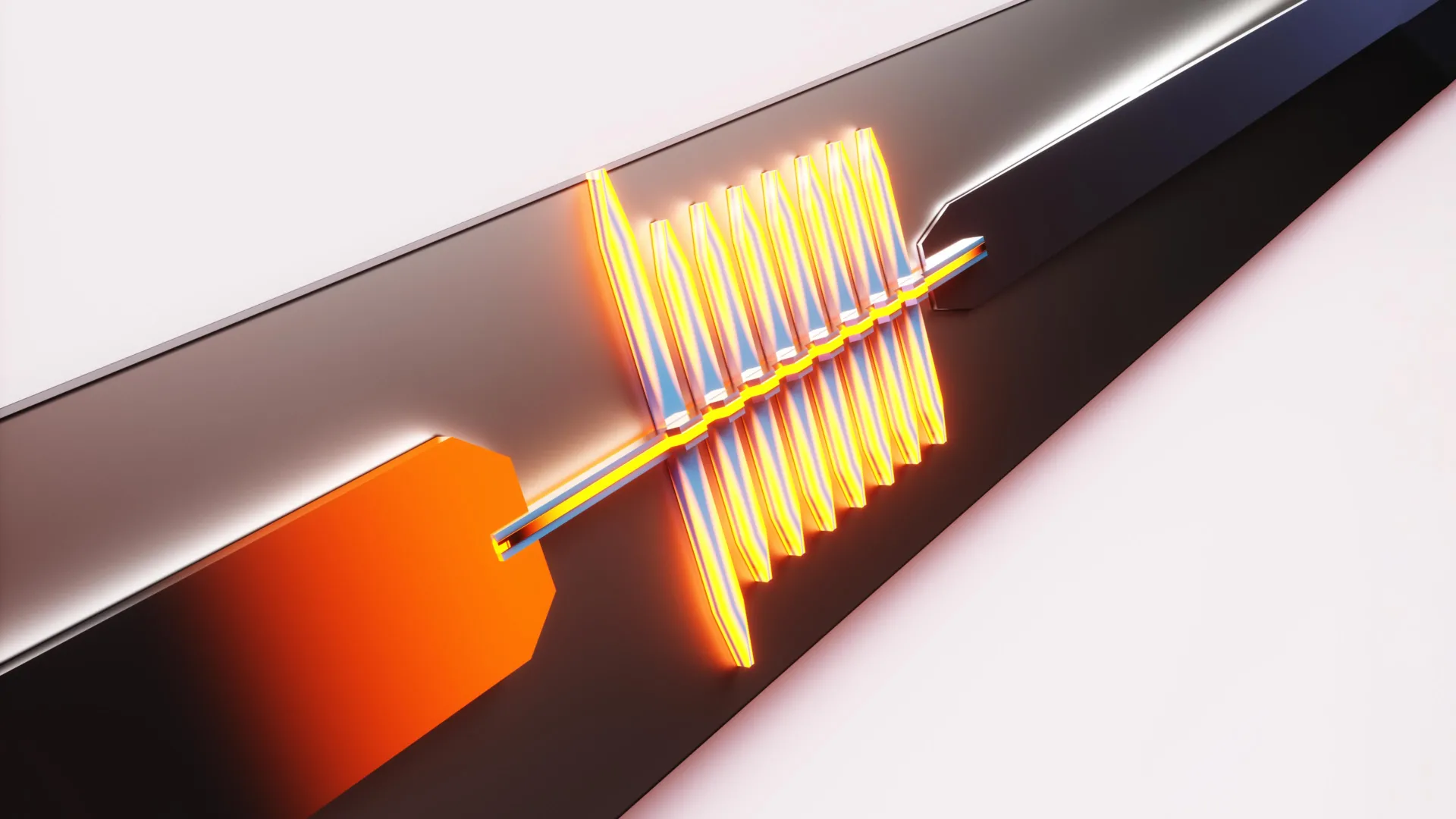
Breakthrough Quantum Sensor Detects Tiny Energy Bursts—Paving Way for Photon Counting and Dark Matter Hunt
Finnish researchers have unveiled a new quantum sensor that can spot energy changes so small they’re measured in zeptojoules – a unit that’s less than a trillionth of a billionth of a joule. In plain terms, the device can feel the tiniest flicker of heat, allowing it to register the arrival of single photons, the fundamental particles of light. This level of sensitivity is a game‑changer for several cutting‑edge fields. For quantum computers, which rely on precise control of quantum bits, the sensor could help keep operations stable and error‑free, bringing practical quantum machines closer to reality. In the realm of astrophysics, the same technology offers a new way to hunt for dark matter, the invisible substance that makes up most of the universe’s mass. By detecting the minuscule energy deposits that dark‑matter particles might leave behind, scientists gain a powerful new tool in their quest to uncover this cosmic mystery. The breakthrough hinges on ultra‑pure superconducting materials that react instantly to the slightest temperature shift. While still in the laboratory stage, the sensor’s ability to count individual photons and sense ultra‑low energy events promises to open doors to more powerful quantum devices and fresh insights into the universe’s biggest unanswered questions.
Read more