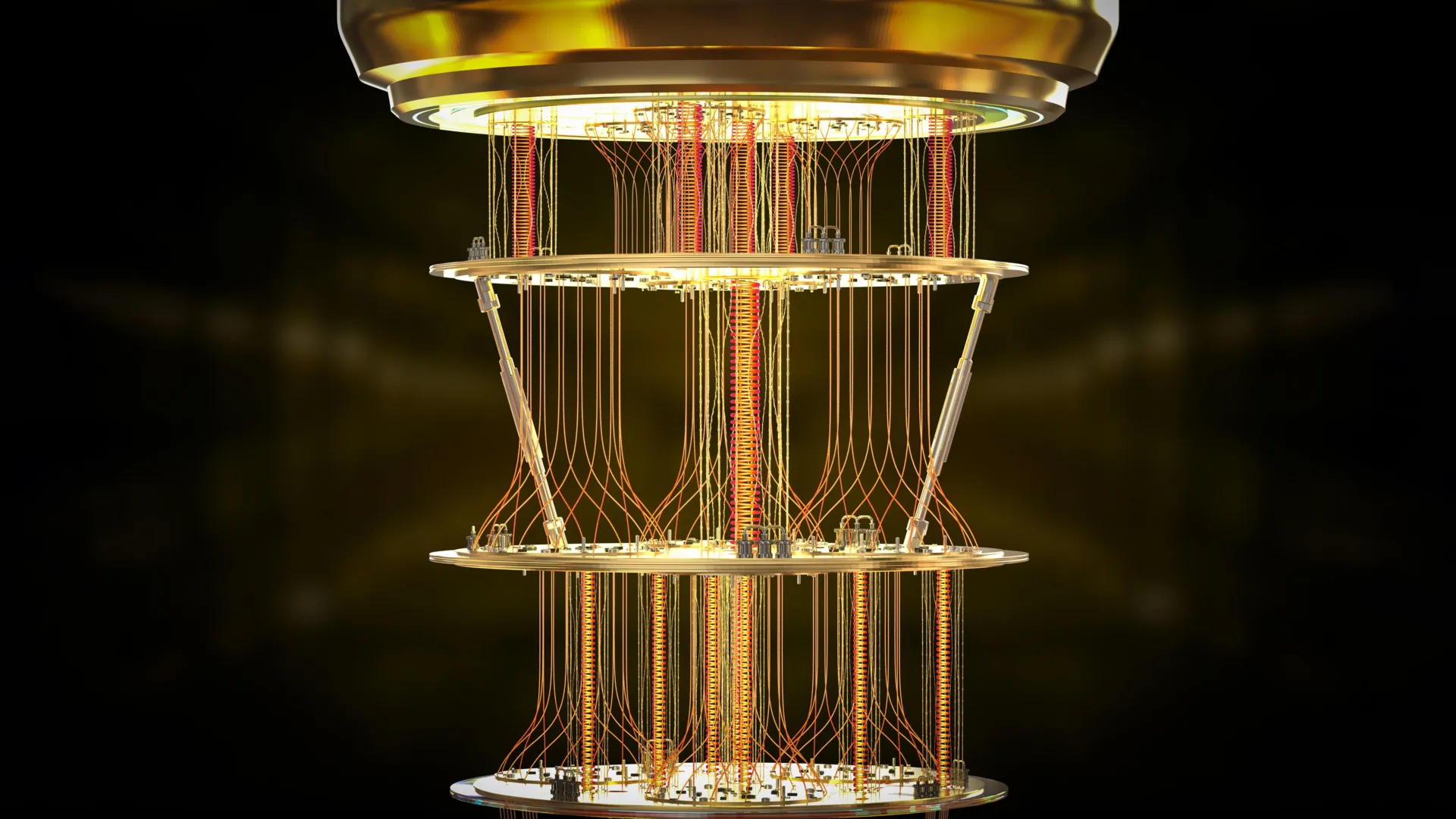
Europe’s New Super‑computer JUPITER Simulates 50‑Qubit Quantum Machine, Setting World Record
Scientists at Germany’s Forschungszentrum Jülich have used the continent’s first exascale supercomputer, named JUPITER, to mimic a 50‑qubit quantum computer – a feat never achieved before. The simulation breaks the previous record of 48 qubits, which was set in 2019 on Japan’s K computer. By running a specially designed program called JUQCS‑50, the team could explore how a full‑scale quantum processor would behave, even though such hardware does not yet exist. The breakthrough shows how powerful modern supercomputers have become, offering a virtual laboratory for quantum researchers. According to Prof. Hans De Raedt, the lead author, the simulation can tackle problems that current quantum chips cannot handle, helping scientists test new algorithms and understand quantum behavior with high accuracy. Beyond the headline, the project aims to make the tool widely available. Through the Jülich UNified Infrastructure for Quantum Computing (JUNIQ), other research groups and companies will be able to run their own quantum experiments on JUPITER. This open‑access approach could speed up the development of future quantum technologies and provide a benchmark for the next generation of supercomputers.
Read more