Ultra‑Thin Titanium Dioxide Turns Ferroelectric, Paving Way for Faster, Low‑Power Chips
Scientists from the University of California, Berkeley, Lawrence Berkeley National Lab and Stanford’s SLAC have discovered that when titanium dioxide (TiO₂) is made thinner than three nanometres—about a thousand times thinner than a human hair—it suddenly behaves like a ferroelectric material. Ferroelectrics can hold an electric charge that can be flipped on command, a property that is essential for next‑generation memory, sensors and artificial‑intelligence hardware. Remarkably, the team found that even at just one nanometre thick, the TiO₂ films keep this switchable polarization, and they work on a variety of surfaces including silicon, crystal substrates and amorphous carbon. Because TiO₂ can be deposited using standard atomic‑layer‑deposition techniques at temperatures below 400 °C, it fits easily into existing semiconductor factories. This means chip makers could add ferroelectric layers without overhauling their production lines, potentially creating processors that run faster while sipping far less power. The breakthrough shows that simply shrinking a material to the atomic scale can unlock entirely new electronic behaviours, opening a promising route toward ultra‑low‑energy computing and smarter, more compact devices.
Read more
Breakthrough Flexible Solar Panels Reach Record Efficiency – 14% for Cells, 12% for Modules
A research team from the Institute of Physics, Chinese Academy of Sciences, together with Hangzhou Dianzi University, has cracked a long‑standing problem in making high‑performance flexible solar panels. They discovered that the usual use of sodium to help grow the crystal structure of CZTSSe (a cheap, earth‑friendly thin‑film material) also creates unwanted tin‑selenium phases that limit voltage and overall efficiency. By swapping in a small amount of lithium, the scientists changed the chemistry so that copper‑related phases preferentially absorb selenium, suppressing the harmful tin‑selenium segregation. This "kinetic competition" approach produced smooth, defect‑controlled CZTSSe films on bendable substrates. The result? Flexible solar cells that convert 14.5 % of sunlight into electricity (certified at 14.2 %), a world‑record for this class of devices. Even more impressive, a tiled‑module built from these cells achieved a certified 12.0 % efficiency on a 10 cm² flexible panel, surpassing the decade‑long record held by Japan’s Solar Frontier and beating the performance of comparable rigid panels. The breakthrough paves the way for lightweight, wearable power sources and could accelerate the rollout of integrated, high‑output renewable energy systems.
Read more
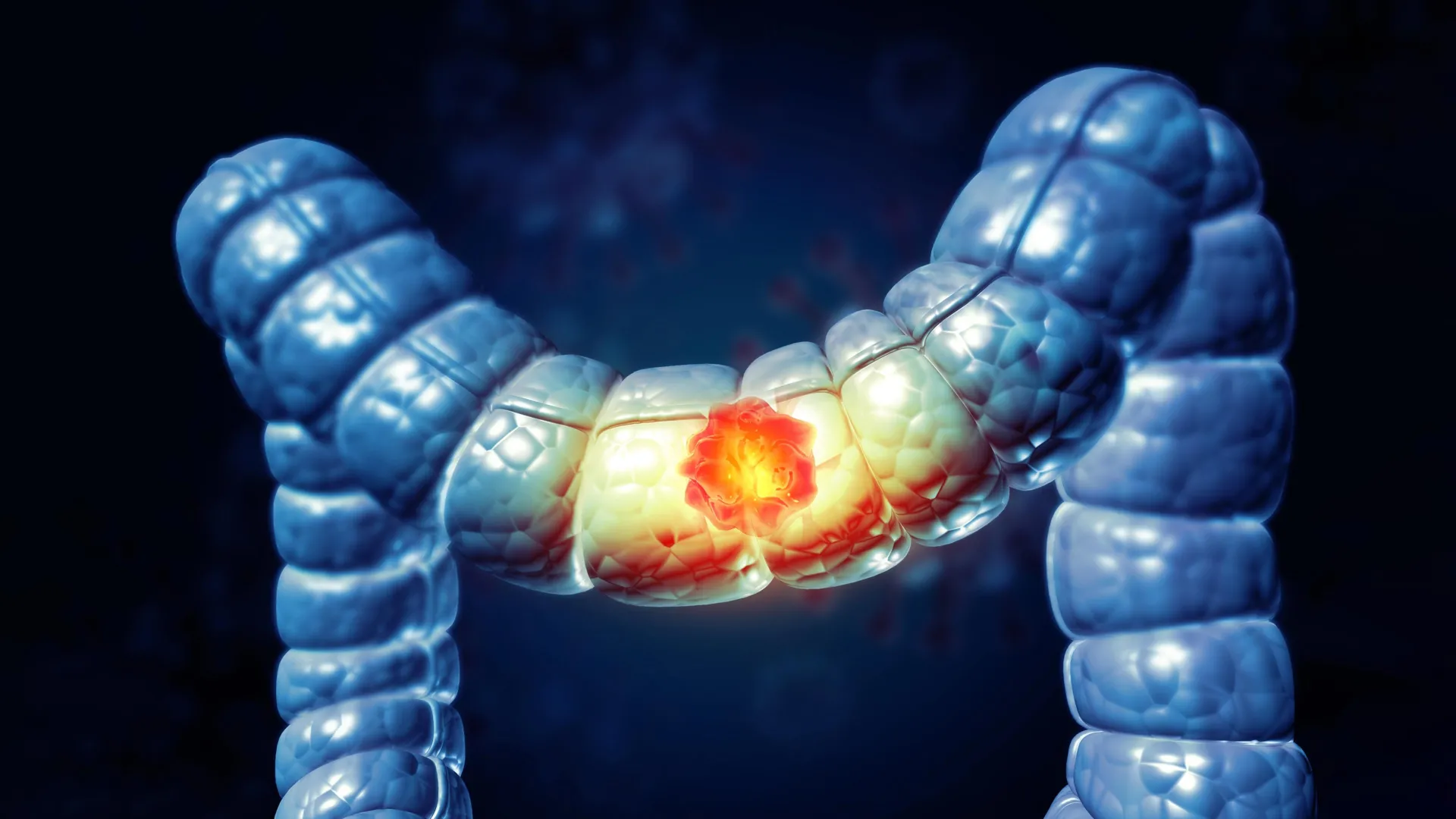
Pre‑Surgery Immunotherapy Gives Colon Cancer Patients Three Years Cancer‑Free
A new treatment approach is giving hope to people with a certain type of colon cancer. Researchers in the United Kingdom tested a short, nine‑week course of the immunotherapy drug pembrolizumab before patients underwent surgery. The results were striking: almost all of the participants have stayed cancer‑free for nearly three years, a far longer period than typically seen with the standard method of surgery followed by months of chemotherapy.
The study, presented at the 2026 American Association for Cancer Research meeting in San Diego, involved several UK hospitals, with University College London (UCL) and its hospital partner leading the work. Biotech firm Personalis helped analyze the data. Scientists discovered that patients whose blood no longer showed traces of tumor DNA after treatment were the ones most likely to remain disease‑free, offering a useful early indicator of success.
Professor Marnix Jansen of the UCL Cancer Institute said the findings not only confirm the durability of the response but also shed light on why immunotherapy works so well in this setting. If larger trials confirm these results, a brief pre‑surgery immunotherapy boost could become a new standard, sparing patients the long, taxing chemotherapy regimens that have been the norm for decades.
Read more