Breakthrough in Ultra‑Low‑Power Memory: New Crystal‑Engineered Material Slashes Power Use
Scientists at the Chinese Academy of Sciences’ Shanghai Branch have announced a major step forward for next‑generation computer memory. Their team engineered a thin‑film material—hexagonal SrIrO3—by carefully arranging its crystal structure. This precise “symmetry engineering” created a special electronic state called a topological Dirac semimetal, which can convert electric charge into spin much more efficiently than traditional metals.
In magnetic random‑access memory (MRAM), information is stored by the direction of tiny magnets. A technique called spin‑orbit torque (SOT) uses spin currents to flip these magnets, promising fast, durable, and non‑volatile storage. However, existing SOT‑MRAM needs relatively high electric currents, leading to heating and limiting how small and dense the chips can become.
The new SrIrO3 film delivers a spin Hall angle of 2.26 at room temperature—more than ten times higher than conventional materials—allowing magnetization to switch with a fraction of the current. Tests showed ultra‑low threshold currents and stable operation, pointing to far‑lower power consumption for future memory chips.
The findings, published in *National Science Review*, provide a clear design rule: use crystal symmetry to unlock topological electronic states that boost spin efficiency. Backed by national research programs, this breakthrough could accelerate the rollout of ultra‑low‑power, high‑speed memory for everything from smartphones to data‑center servers.
Read more
How a Chinese Scientist Turned Membrane Magic into Real‑World Energy Solutions
Yang Zhengjin’s scientific journey began with a simple question: why were ion membranes for fuel cells so expensive and dominated by foreign firms? After earning his Ph.D. at Tsinghua, he joined Professor Xu Tongwen’s lab at USTC, where he was urged to broaden his horizons abroad. A visit to Harvard exposed him to Professor Michael J. Aziz’s work on aqueous organic flow batteries, which replace costly metals with cheap organic molecules. Seeing the need for high‑performance ion membranes, Yang realized his expertise in microporous membranes could fill the gap.
Back in China, he built a research team that focused on real‑world problems rather than incremental tweaks. Their breakthrough was a novel triazine‑framework microporous ion membrane that broke the long‑standing foreign monopoly and enabled commercial flow‑battery projects. The team’s work was published in *Nature* in 2023, licensed to domestic energy‑storage firms, and now powers dozens of demonstration projects across the country and abroad.
Yang’s next challenge is improving membranes for water‑electrolysis hydrogen production, tackling oxidation, alkali resistance, and gas‑tightness. He also dreams of bio‑inspired ion technologies that could one day link to brain‑computer interfaces. For him, creating useful products outweighs publishing papers, and his story shows how focused, frontier‑driven research can turn laboratory tricks into societal breakthroughs.
Read more
Magnetic ‘Super‑Lenses’ Reveal Hidden Secrets of High‑Temp Superconductors
A breakthrough in the study of high‑temperature superconductors is opening a new window into how these exotic materials behave under extreme conditions. Researchers have combined two powerful techniques—nuclear magnetic resonance (NMR) performed at crushing pressures and ultra‑high‑field resistance measurements—to capture a complete picture of the material’s inner workings. By squeezing the superconductor while simultaneously probing it with magnetic fields stronger than any previously used, the team can watch how electrons pair up and move without resistance, even as the material is pushed to its limits. This dual‑approach acts like a “super‑lens,” magnifying subtle changes that were invisible with either method alone. The work was carried out in close partnership with the Center for High Pressure Science & Technology Advanced Research (HPSTAR) in Beijing, bringing together expertise in pressure engineering and magnetic spectroscopy. The findings not only deepen our fundamental understanding of superconductivity but also pave the way for designing more efficient power grids, magnetic levitation trains, and quantum devices. As scientists continue to refine these magnetic super‑lenses, we may soon unlock the full potential of superconductors that work at everyday temperatures.
Read more
How a Common Betel Nut Ingredient Could Boost Your Energy: New Study Reveals Surprising Anti‑Fatigue Power
A team of researchers has uncovered a surprising way that compounds found in the areca (betel) nut may help fight everyday tiredness. Using advanced “multi‑omics” techniques that look at genes, proteins and metabolites all at once, the scientists showed that the polyphenols—natural antioxidants—in the nut can balance the body’s energy supply and ease fatigue. The key appears to be a two‑step process involving the gut. First, these polyphenols reshape the community of friendly bacteria living in our intestines, encouraging species that are known to support metabolism. Next, the altered gut microbiome sends signals to the liver, activating what scientists call the gut‑liver axis—a communication highway that regulates how efficiently the body converts food into usable energy. In animal experiments, subjects that received the areca nut polyphenols displayed higher stamina, quicker recovery after exercise, and lower levels of fatigue‑related chemicals in the blood. While the findings are still early and more human trials are needed, the study opens the door to new, food‑based strategies for boosting energy and combating chronic tiredness without relying on stimulants or pharmaceuticals.
Read more
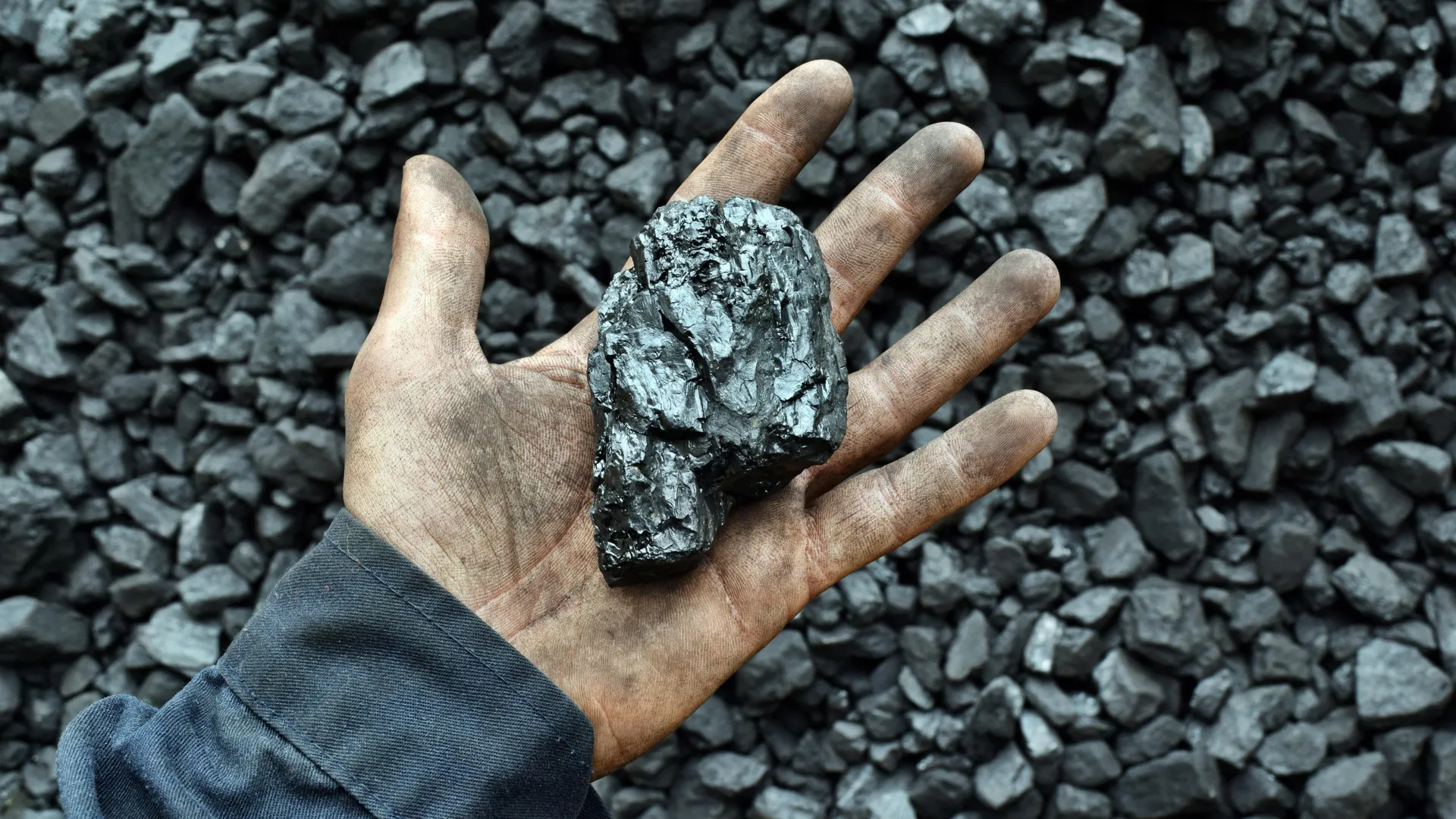
How a Canadian Town Is Turning Abandoned Coal Mines into Green Power
Cumberland, a small community on British Columbia’s coast, is giving its old coal‑mining tunnels a second life as a source of clean energy. Researchers from the University of Victoria have shown that water that has collected in the deep, abandoned mine shafts stays warm year‑round. By installing a geothermal heat‑exchange system that taps this naturally heated water, the town can provide low‑carbon heating in winter and cooling in summer for homes, schools and businesses. The technology works like a giant, underground heat pump: water circulates through pipes, absorbs heat from the earth, and transfers it to a building‑level system that distributes warm or cool air as needed. Because the heat comes from the earth’s natural temperature, the process emits almost no greenhouse gases and cuts electricity bills dramatically. Beyond saving money, the project could attract new developers and companies looking for sustainable locations, turning a once‑polluting legacy into an economic boost. Officials see the pilot as a model for other former mining towns worldwide, proving that the scars of the fossil‑fuel era can be repurposed into assets for a low‑carbon future.
Read more