Unlock Free AI Agent Toolkit: From Beginner Guides to Enterprise Solutions
A brand‑new, all‑in‑one AI learning package is now available for free, designed for anyone who wants to dive into the world of large‑model AI agents. Whether you’re just starting out or already have a technical background and aim to work for top tech firms, the material covers everything from basic concepts to cutting‑edge industry trends.
The resource is hosted on AtomGit, an open‑source collaboration platform created by the Open Atom Foundation, CSDN and partners. AtomGit combines code hosting, model and dataset sharing, agent‑development tools, and cloud‑compute services into a single, user‑friendly hub.
The guide walks you through real‑world AI agent applications across finance, e‑commerce, automotive, legal, IT operations and government services. Highlights include:
• Intelligent banking chatbots that answer complex financial queries in real time.
• Investment‑research agents that automatically gather news, reports and market data to generate insights.
• Event‑driven agents that coordinate meetings and send summaries during market‑shaking events.
• “Model‑as‑a‑Service” (MaaS) that lets non‑experts tap powerful language models for data analysis and decision‑making.
• “Robot‑as‑a‑Service” (RaaS) that offers on‑demand, AI‑driven robots for warehousing, production and customer support.
All you need to do is scan the QR code on the page to download the complete package and start building your own AI agents today.
Read more
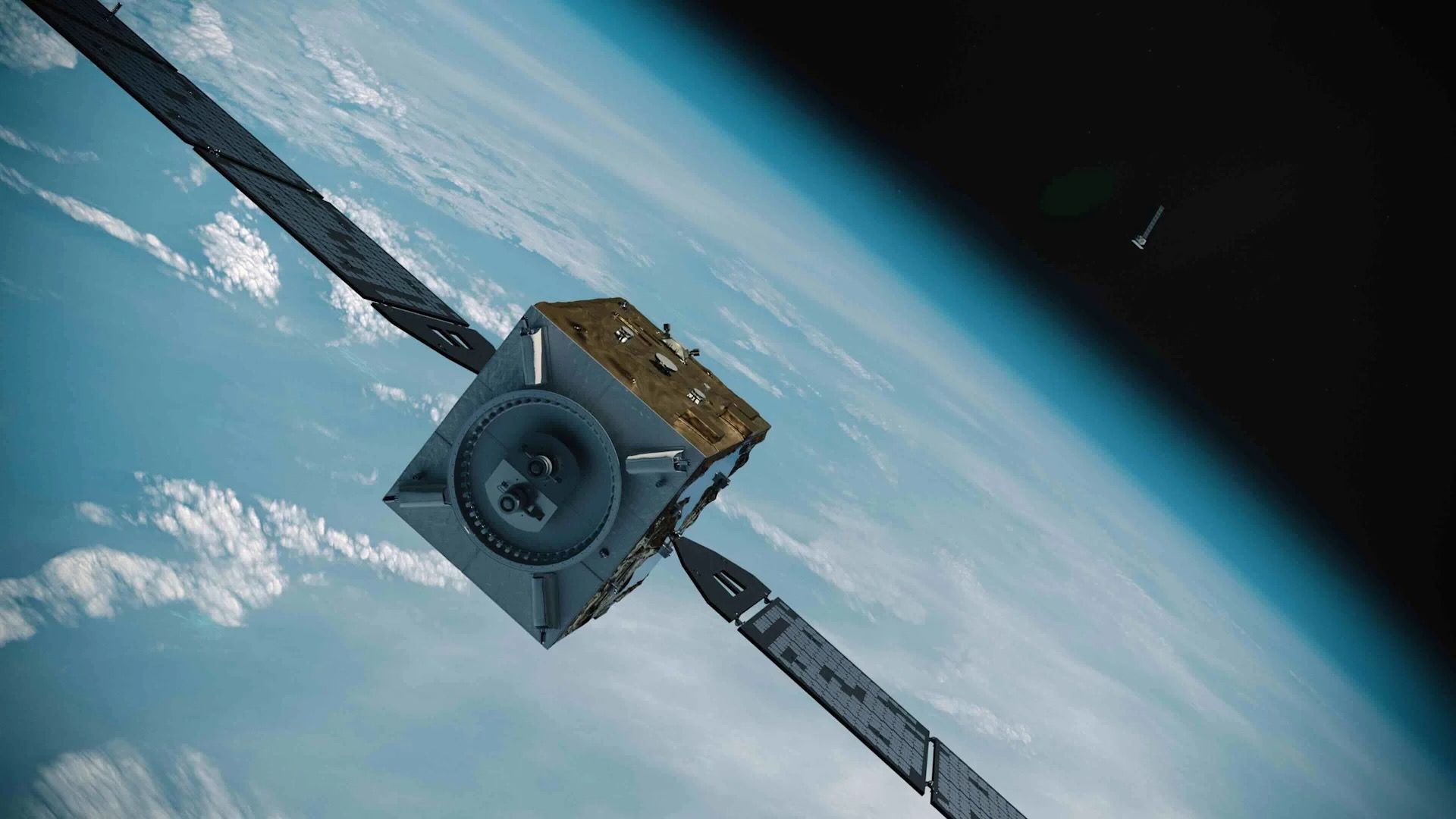
Japan’s Astroscale to Send First Multi‑Orbit ‘Space Doctor’ Mission in 2027
Japanese space‑sustainability firm Astroscale is gearing up for a groundbreaking 2027 mission that will act like a doctor for dead satellites. Dubbed ISSA‑J1, the privately‑run spacecraft will travel to two long‑inactive satellites—Japan’s ALOS, a bus‑sized 8,800‑lb satellite stuck in a near‑polar orbit at about 429 miles, and ADEOS‑II, a 8,150‑lb Earth‑observation platform cruising higher at roughly 500 miles. Both have been silent for years; ALOS lost power in 2011, while ADEOS‑II’s mission ended after a solar‑panel failure.
What makes ISSA‑J1 special is its ability to approach, inspect, and depart from multiple objects in different orbits during a single flight. Astroscale says on‑orbit inspections reveal details that ground‑based monitoring simply can’t capture, giving operators a clearer picture of a satellite’s health and informing future servicing plans. By demonstrating repeated cycles of approach, inspection, and orbital transition, the mission aims to prove that private companies can safely and efficiently manage space debris and extend the life of valuable orbital assets. If successful, ISSA‑J1 could usher in a new era of hands‑on space maintenance, reducing clutter and protecting the crowded near‑Earth environment.
Read more
China’s Space Race: From Dreaming About the Stars to Building a Billion‑Yuan Aerospace Industry
China is turning its long‑standing space ambitions into a fast‑growing commercial powerhouse. Under the 15th Five‑Year Plan, the government is pouring money into satellite‑internet networks, reusable rockets, on‑orbit services and AI‑driven space computing. New projects such as a 12‑satellite “Three‑Body Computing Constellation” and sea‑based rocket recovery trials show how the country is moving from experimental tests to real‑world applications.
Key goals include:
• Mass production of low‑orbit satellites that combine communications, navigation and remote‑sensing functions.
• Development of large‑scale digital‑processing payloads and space‑based energy solutions.
• Integration of satellite‑rocket design to cut development cycles and lower costs.
Industry leaders say these steps will create a trillion‑yuan industrial cluster, boost related sectors, and help China achieve technological self‑reliance. Analysts project an average 11 % annual growth rate for the commercial aerospace sector, reaching about 1.67 trillion yuan by 2030. With new regulatory bodies, dedicated launch sites and a push for international cooperation, China aims to become a leading space‑economy player, turning the dream of a “strong aerospace nation” into everyday reality.
Read more