China’s AI Boom: How Open‑Source Models Are Powering Factories, Logistics and Robots
A new report from the US‑China Economic and Security Review Commission says that, even with tighter export controls and limited computing power, China’s open‑industrial ecosystem is still driving rapid AI progress. Chinese AI labs are closing the performance gap with the world’s leading large‑language models, and the real‑world data generated in factories, logistics hubs and robotics labs is feeding back into the models, creating a tight loop between the digital and physical worlds.
The South China Morning Post, citing U.S. analysts, notes that China’s growing family of open‑source models can share learnings, forming a self‑reinforcing AI ecosystem. Reuters adds that while some Western officials warn of security risks, many companies are “voting with their feet” for open‑source solutions because they can inspect the code, verify security features and protect sensitive data—an essential requirement for regulated industries.
Siemens board chair Roland Busch recently praised Chinese open‑source AI for its low cost and easy customisation, saying it offers no disadvantages for training models tailored to industrial automation. In short, China’s open‑source AI surge is reshaping manufacturing, logistics and robotics by turning everyday operational data into smarter, more adaptable intelligence.
Read more

Amazon Acquires Kid‑Sized Robot Startup, Aiming for Playful Home Helpers
Amazon has taken a bold step into the world of consumer robotics by buying a fledgling company that builds small, human‑like robots designed for children. The startup’s robots stand about a foot tall, move with surprising agility, and can interact with kids through voice, gestures, and simple games. Amazon sees the acquisition as a way to expand its smart‑home ecosystem beyond speakers and cameras, offering a tangible, interactive companion that can teach basic coding, tell stories, and even help with chores in a kid‑friendly way. While the technology is still in its early stages, the robots already feature safety‑first designs—soft exteriors, limited motion ranges, and parental controls that let adults set usage limits and monitor interactions. Industry analysts predict that Amazon could integrate the robots with its Alexa platform, allowing seamless voice commands and access to the company’s vast library of content. Critics, however, warn about privacy concerns and the potential for over‑automation in children’s playtime. Amazon says it will prioritize data security and will roll out the devices gradually, starting with a limited beta program later this year. The move signals a growing race among tech giants to bring affordable, interactive robotics into everyday homes.
Read more
China Unveils Groundbreaking Tech: 2D Chip Breakthroughs, Molten‑Salt Nuclear Power, Deep‑Sea Life, and Fusion Milestones
China’s science ministry released a dazzling list of achievements that could reshape everything from smartphones to clean energy.
First, researchers at Fudan University have built a full‑function flash memory chip that marries atom‑thin 2‑D semiconductors with traditional silicon. Using a new ATOM2CHIP process, they achieved “conformal adhesion” at the atomic level, delivering a chip that runs 8‑bit instructions, processes 32‑bit data in parallel, and boasts a 94.3 % production yield – a first for China with entirely home‑grown intellectual property.
Second, a team from the Shanghai Institute of Applied Physics demonstrated a molten‑salt reactor that converts thorium into uranium fuel. By solving complex multi‑physics design challenges, they built a liquid‑fuel test reactor, proved the thorium‑uranium conversion cycle, and identified ways to curb corrosion, paving the way for safer, high‑temperature nuclear power.
Third, deep‑sea explorers aboard the “Fendouzhe” submersible discovered a massive chemosynthetic ecosystem stretching over 2,500 km in the world’s deepest trenches (5,800‑9,500 m). Tube worms and bivalves thrive on hydrogen sulfide and methane, revealing a hidden methane reservoir and a vibrant carbon cycle far below the sun‑lit ocean.
Finally, China’s fusion labs hit a historic milestone: the EAST tokamak sustained plasma at over 100 million °C for 1,066 seconds, while the HL‑3 device reached ion temperatures of 117 million °C, boosting the fusion triple product by tenfold. These runs bring the dream of practical, clean fusion energy a step closer.
Read more
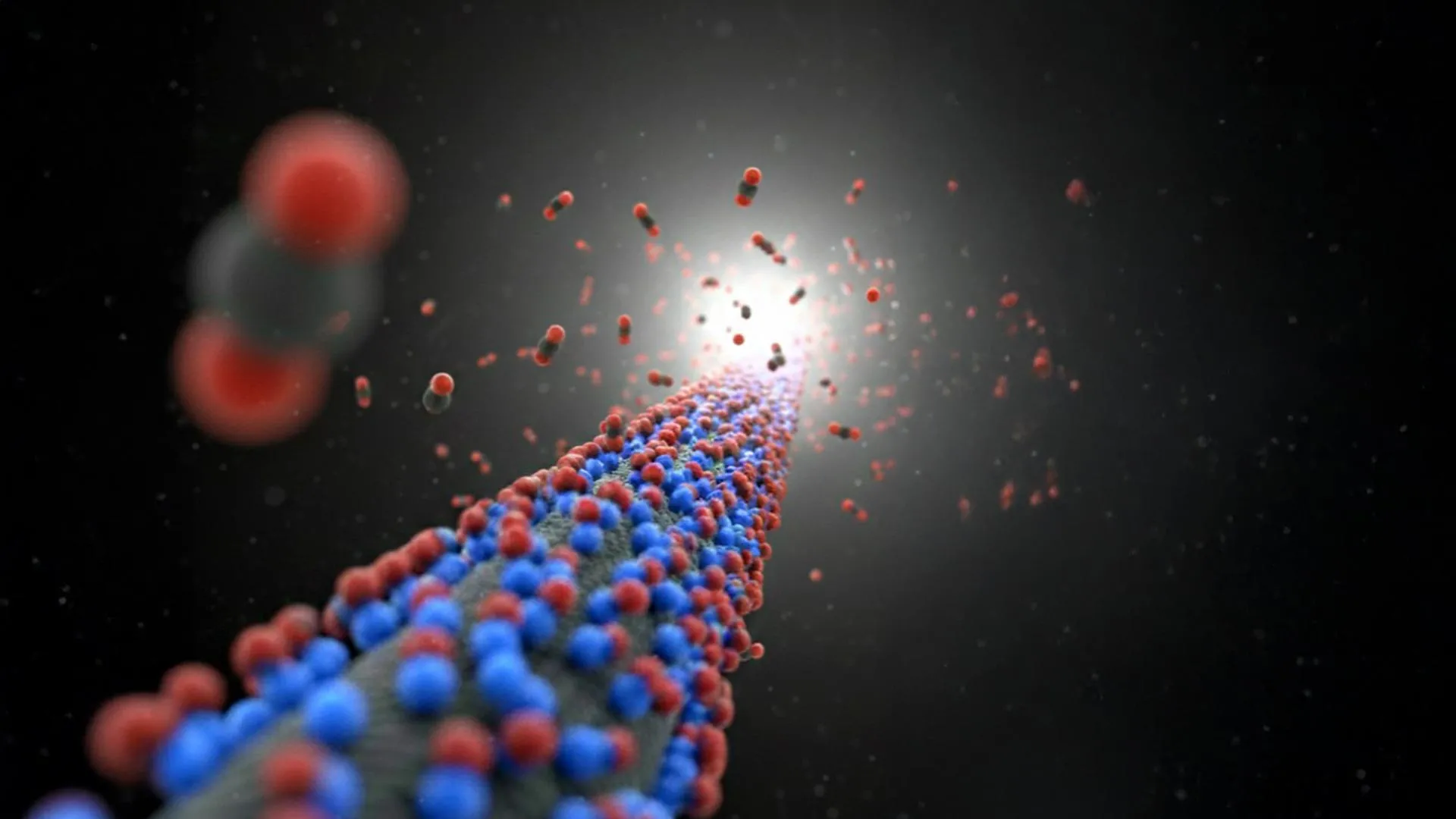
Breakthrough Carbon Material Could Slash Costs of CO₂ Capture
Scientists at Chiba University have unveiled a newly engineered carbon material that could dramatically lower the price and energy demand of carbon‑capture technology. By precisely arranging nitrogen atoms within the carbon framework, the team created a porous structure that grabs carbon dioxide far more efficiently than conventional sorbents. Even more striking, the material releases the captured CO₂ at temperatures below 60 °C, meaning it can be regenerated using low‑grade waste heat instead of the high‑energy steam required by today’s amine‑based systems. In laboratory tests, the new sorbent captured up to 30 % more CO₂ per kilogram of material and needed only a fraction of the heat to unload the gas. This dual advantage—higher uptake and low‑temperature regeneration—offers a practical pathway for power plants, factories, and other emitters to retrofit existing equipment without massive energy penalties. If scaled up, the technology could accelerate the rollout of carbon‑capture projects worldwide, making climate‑mitigation targets more attainable and affordable. The researchers say their design provides a blueprint for the next generation of climate‑friendly materials, opening doors to greener industrial processes and a faster transition to net‑zero emissions.
Read more
China Unveils Ten Groundbreaking Scientific Breakthroughs of 2025
China’s science ministry released its “Top 10 Scientific Advances of 2025,” showcasing discoveries that could reshape everyday life.
1. **Moon Mysteries Solved** – New data reveal that the Moon’s crust is uneven from front to back and that its ancient magnetic field was far more complex than thought, giving scientists fresh clues about the early solar system.
2. **Bend‑able Diamond Films** – Researchers invented an “edge‑exposed peeling” technique that produces inch‑large, ultra‑flat diamond sheets only microns thick. The films are flexible enough to roll, yet as smooth as a mirror, opening doors for tougher, faster electronics and quantum devices.
3. **Fusion Heat Milestone** – China’s EAST and HL‑3 tokamaks sustained plasma hotter than 100 million °C, a key step toward clean, limitless fusion power.
4. **2‑D Chip Revolution** – A new hybrid flash memory chip combines atom‑thin 2‑D semiconductors with traditional silicon, achieving a 94 % production yield and delivering 8‑bit and 32‑bit processing on a single chip.
5. **Thorium‑Uranium Molten‑Salt Reactor** – Engineers built a liquid‑fuel reactor that safely converts thorium to uranium, proving a safer, high‑temperature nuclear option.
6. **Anti‑Aging Breakthroughs** – Scientists mapped how proteins and inflammation age organs, identified a kidney‑derived molecule that mimics exercise’s anti‑inflammatory effects, and engineered stem cells with the FOXO3 longevity gene to reverse age‑related decline in primates.
7. **Life in the Deepest Trenches** – A manned submersible discovered thriving chemo‑autotrophic ecosystems down to 9,500 m, where tube worms and clams live off chemical energy from methane and hydrogen sulfide, reshaping our view of deep‑sea carbon cycles.
These ten achievements highlight China’s push toward next‑generation energy, computing, health, and space exploration.
Read more
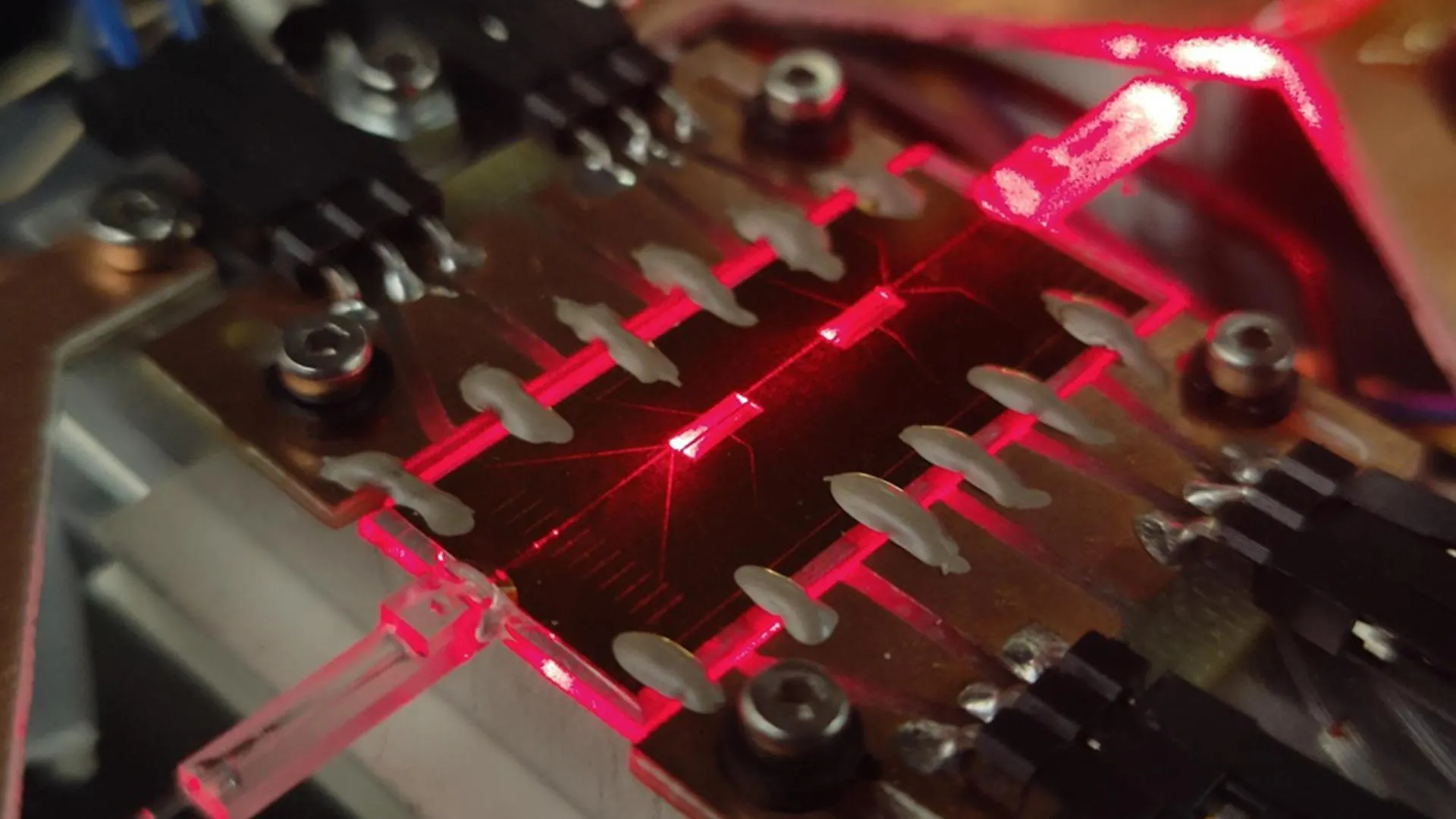
Glass Becomes a Super‑Secure Quantum Shield for Future Communications
A team of physicists has discovered a way to transform ordinary glass into a powerful tool for quantum‑level security. By embedding tiny, specially arranged structures inside the glass, the researchers created a device that can generate and detect quantum keys—unique codes that change instantly if anyone tries to eavesdrop. This breakthrough builds on the promise of quantum key distribution (QKD), which uses the odd rules of quantum physics to guarantee that any interception is immediately spotted. Traditional QKD systems rely on bulky, delicate equipment, but the new glass‑based device is compact, robust, and can be integrated into existing fiber‑optic networks. In tests, the glass module successfully transmitted encrypted messages over long distances while flagging any intrusion attempts, demonstrating a level of protection far beyond today’s encryption methods. The innovation could soon protect everything from banking transactions to military communications, making it virtually impossible for hackers to crack the code without being detected. As quantum computers become more powerful, such ultra‑secure channels will be essential to keep our data safe in the digital age.
Read more
China’s Green Tech Revolution: Smart Factories, Solar Power and a Surge in Electric Cars Drive the Carbon Cut
China is turning its massive renewable‑energy push into a high‑speed engine for economic growth. By the end of 2025 the country had installed 2.34 billion kilowatts of wind, solar and hydro capacity, lifting the share of clean power from roughly 40 % to about 60 % of the grid. At the same time, digital tools are being woven into factories to track the carbon cost of every part they make. In a Jinko Solar “smart factory” in Jiangxi, real‑time monitoring shows the energy used for each mould closure, while Jiangling Motors’ stamping line now displays the carbon footprint of every component on a large screen. This data‑driven approach is reshaping competitiveness: battery suppliers must provide carbon‑footprint reports, and green electricity certificates are traced hour by hour. The results are striking. In 2025 China produced and sold more than 34 million cars, with over 16 million of them being new‑energy vehicles (NEVs) – a share that topped 50 % of all new‑car sales. NEV exports jumped from 34 000 units in 2020 to nearly 170 000 in 2025, accounting for a third of total vehicle exports. Policy backs the shift, with eight binding targets in the 15th Five‑Year Plan, including dual controls on total carbon emissions and intensity starting in 2026. Experts say China’s traceable “digital IDs” for production electricity and its zero‑carbon factory models are becoming public‑good templates for other developing nations, turning green transformation into a cornerstone of high‑quality development.
Read more
Breakthrough Discovery Targets Fat Molecule to Fight Heart and Metabolic Diseases
Chinese scientists have uncovered a new way to prevent and treat heart attacks, strokes and diabetes by zeroing in on a fat‑like molecule called ceramide. Long‑standing research blamed high cholesterol for these illnesses, yet many patients still suffered despite normal cholesterol levels. The new study, highlighted in China’s 2025 "Top 10 Scientific Advances," shows that elevated ceramide is an independent risk factor. For the first time, researchers from Peking University, Shandong University and several hospitals identified ceramide’s direct receptors on cells – FPR2 and CYSLTR2 – acting like lock‑and‑key mechanisms that trigger harmful inflammation in blood vessels. They also discovered that gut microbes control ceramide levels; a compound produced by friendly fungi, named Fusarium fecal ketone A, can lower ceramide throughout the body and improve cardiovascular health. Building on this gut‑microbiota‑ceramide axis, the team has created candidate drug molecules that block ceramide production at its source. International experts have praised the work as a promising new therapeutic target, offering hope to millions of Chinese patients facing chronic heart and metabolic diseases.
Read more
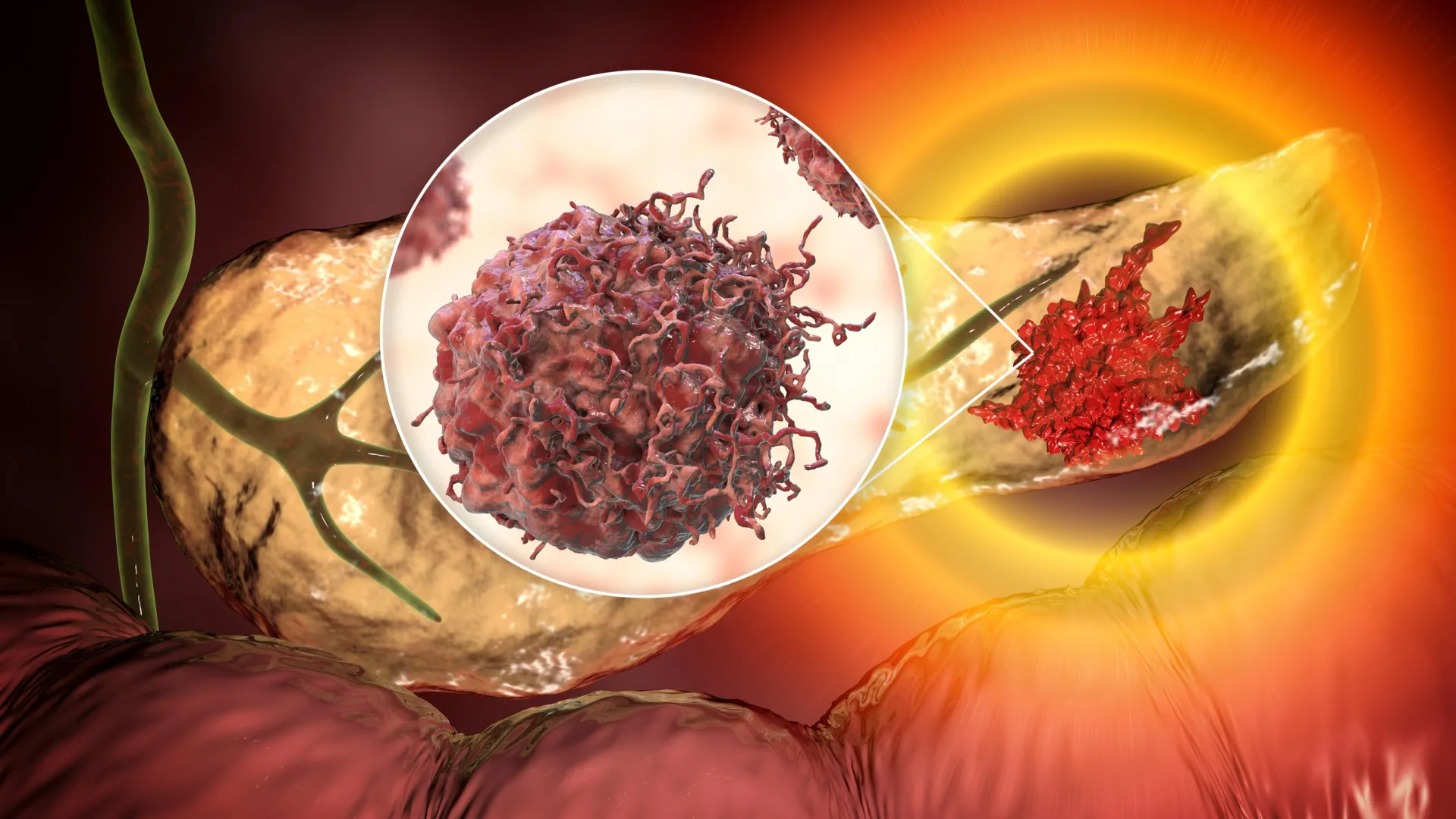
Breakthrough Blood Test Detects Pancreatic Cancer Early, Boosting Survival Odds
Scientists have unveiled a simple blood test that could dramatically improve the chances of surviving pancreatic cancer, one of the deadliest cancers known. By looking for two newly discovered proteins in the bloodstream and combining them with two already‑used markers, the test creates a four‑marker panel that correctly identifies the disease in more than 90 % of cases. Even more promising, the test works well when the cancer is still in its earliest stages—when surgery or other treatments are most effective. The research, funded by the National Institutes of Health, involved analyzing blood samples from hundreds of patients and healthy volunteers. The added proteins act like early warning lights, flagging the presence of tumor activity before symptoms appear. If validated in larger trials, doctors could order this inexpensive blood draw during routine check‑ups, catching the disease before it spreads. Early detection means patients have a far better chance of receiving curative treatment, potentially turning a diagnosis that once carried a grim prognosis into a manageable condition. The discovery marks a hopeful step forward in the fight against pancreatic cancer.
Read more