
SpaceX Sends Two Fresh Starlink Batches Sky‑High, Pushing Satellite Count Past 9,900
On the evening of March 1, SpaceX launched two new groups of Starlink satellites from Florida, adding another 48 spacecraft to its ever‑growing constellation. The successful flight marked the company’s 27th launch of the year and the 620th mission in its history, underscoring an unprecedented launch cadence. According to veteran satellite tracker Jonathan McDowell, the deployment brings the total number of Starlink satellites orbiting Earth to more than 9,900, a milestone that highlights the rapid expansion of the broadband‑in‑space network.
The mission, part of SpaceX’s broader strategy to blanket the globe with high‑speed internet, used a Falcon 9 rocket that performed a precise series of burns to place the satellites into their designated low‑Earth‑orbit slots. Each batch of satellites will eventually spread out to form a mesh that can deliver connectivity to remote regions, disaster zones, and underserved communities.
SpaceX’s relentless launch schedule reflects both the company’s confidence in its reusable rocket technology and the growing demand for global internet coverage. As the Starlink constellation swells, the company continues to navigate regulatory, technical, and environmental challenges while promising faster, more reliable service for users worldwide.
Read more
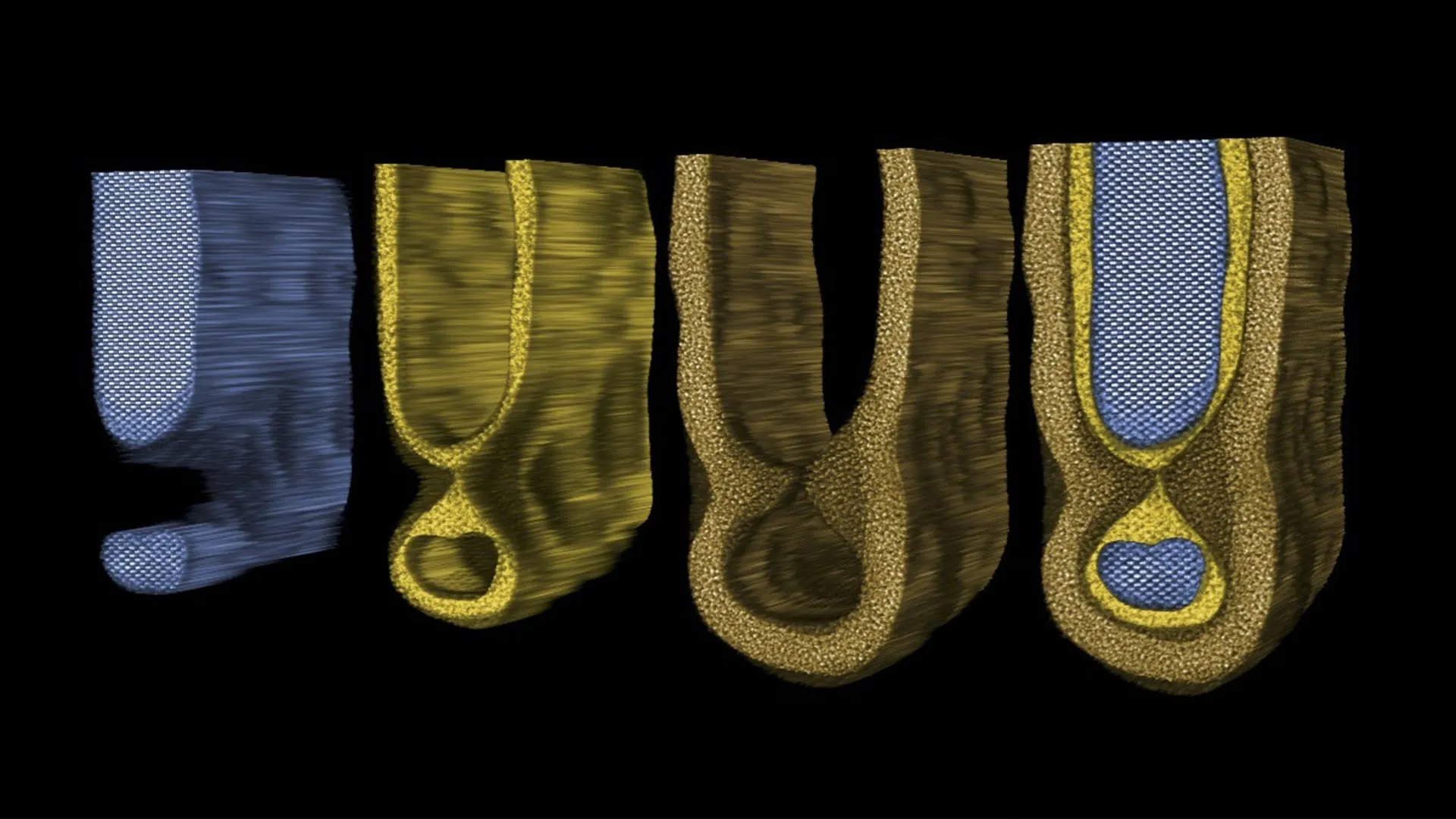
Tiny ‘Mouse Bites’ Inside Chips: New Microscopy Reveals Atomic Flaws That Could Slow Your Phone
Cornell University scientists have unveiled a breakthrough imaging method that lets them see, for the first time, the tiniest imperfections hidden inside modern computer chips. Using a cutting‑edge electron microscope, the team mapped the exact positions of individual atoms inside the ultra‑small transistor structures that power everything from smartphones to data centers. What they discovered are minute defects—nicknamed “mouse bites”—that appear during the complex manufacturing process. Though each flaw is only a few atoms wide, it can disrupt the smooth flow of electrons through channels that are themselves just 15 to 18 atoms across. These atomic‑scale hiccups could affect chip performance, energy efficiency, and long‑term reliability. The research, funded by semiconductor giant TSMC and supported by the National Science Foundation, provides manufacturers with a powerful new tool to spot and fix these hidden flaws before chips reach the market. By catching the problem at the atomic level, the industry hopes to produce faster, more dependable devices for everyday use.
Read more
Old‑School Crystals Give Infrared Tech a Modern Boost
A team of engineers has discovered that a 100‑year‑old crystal can dramatically upgrade today’s infrared devices. By gently reshaping the crystal’s internal lattice, they can make it flip from clear to opaque in a flash, effectively turning infrared light on and off or dimming it with precision. This simple structural tweak also lets the crystal twist the light’s phase and polarization, opening new ways to steer and focus infrared beams.
The breakthrough is striking because it revives a material that has been sitting on shelves for generations, sidestepping the need for expensive, hard‑to‑manufacture semiconductors. The researchers demonstrated the concept in a compact prototype that could be used in night‑vision goggles, thermal cameras, and even future wireless power links that rely on infrared transmission.
Beyond the obvious performance gains, the approach promises lower production costs and easier integration into existing hardware. By borrowing from the past, the team shows that sometimes the fastest path to cutting‑edge technology is to look backward, repurposing classic materials with modern engineering tricks. The work could spark a wave of affordable, high‑performance infrared tools for everything from security to medical imaging.
Read more