China’s Fusion Race: From Early Experiments to the 2027 BEST Reactor and a 2045 Dream
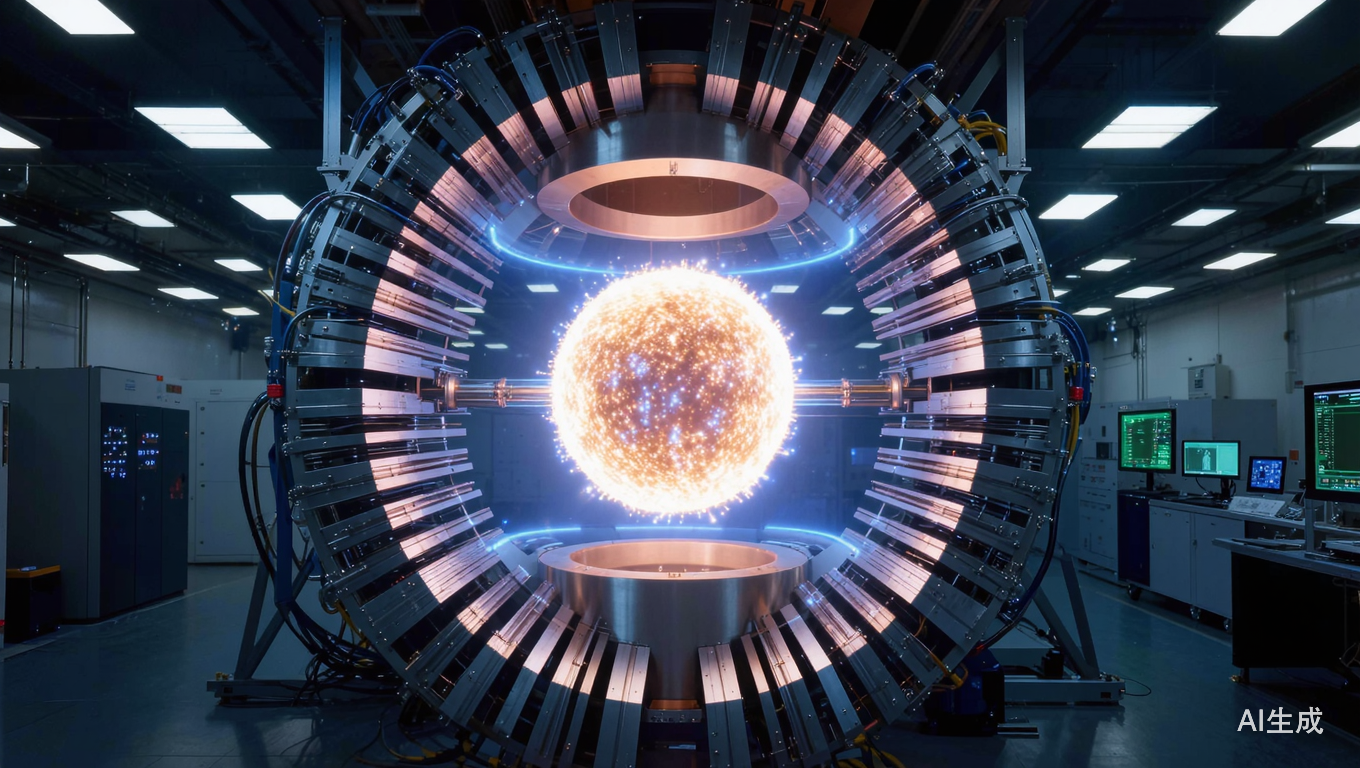
China has been chasing nuclear fusion since the 1950s, gradually shifting to the tokamak design that dominates the field today. The country now runs the EAST (Experimental Advanced Superconducting Tokamak) and is building two flagship machines: the massive CFETR (China Fusion Engineering Test Reactor) and the compact BEST (Compact Fusion Energy Experiment) – a 40 % smaller, three‑times higher‑density version of ITER that started assembly in May 2025 and should be finished by 2027. These projects have lifted China into the world’s top tier of fusion research, especially in building large‑scale facilities. Breakthroughs include producing world‑leading superconducting wires (up from kilogram‑scale to tons per year) and achieving “dual‑hundred‑million‑degree” plasma in CFETR, a first for any operating device. EAST set a record in early 2025 by holding 100 million‑degree plasma for 1,066 seconds, proving long‑pulse operation is possible. While ITER remains the flagship international experiment, it still faces hurdles such as tritium self‑sufficiency and radiation‑resistant materials. China’s contribution covers about 10 % of ITER’s components but 30 % of its core technology, and its parts are consistently delivered on time. Optimists now eye commercial fusion power around 2045, a timeline that hinges on solving ITER’s remaining challenges and building a DEMO‑type reactor after ITER’s completion. Despite delays—ITER’s first plasma has slipped from a 2020 target to 2035—the consensus is that no insurmountable barrier remains, and a breakthrough in fusion energy is on the horizon.
Read more