China’s Humanoid Robots Take Center Stage: Why They’re Racing Ahead
During this year’s Spring Festival, humanoid robots stole the show on TV stages, in malls, and even at temple fairs, sparking worldwide buzz about China’s fast‑moving robot industry. The secret isn’t luck – it’s a mix of strong government backing, a massive manufacturing base, and real‑world testing grounds.
Since the 14th Five‑Year Plan, Beijing has rolled out policies that fund research, push university‑industry collaborations, and set national standards for robot “brains” and “muscles.” Local governments have added their own incentives, creating a nationwide safety net for startups and established firms alike.
China now produces more than half of the world’s robots, and over 70 % of the components in the Spring Festival’s star robots are made locally. With more than 140 companies building complete humanoid units and over 330 models on the market, the sector enjoys economies of scale that keep prices falling – though most units still cost tens of thousands of yuan, limiting household adoption for now.
The country’s huge industrial and service sectors – from car factories to hospitals and elder‑care homes – provide endless test beds, letting engineers refine hardware and software quickly. Yet challenges remain: improving reliability outside controlled stages, lowering costs further, and gathering consistent real‑world data to train smarter AI. If these hurdles are cleared, Chinese robots could soon move from special events into everyday homes and workplaces, reshaping how we live and work.
Read more
EU Team Tackles Toxic ‘Forever Chemicals’ in Green Hydrogen, Cuts Costs and Iridium Use
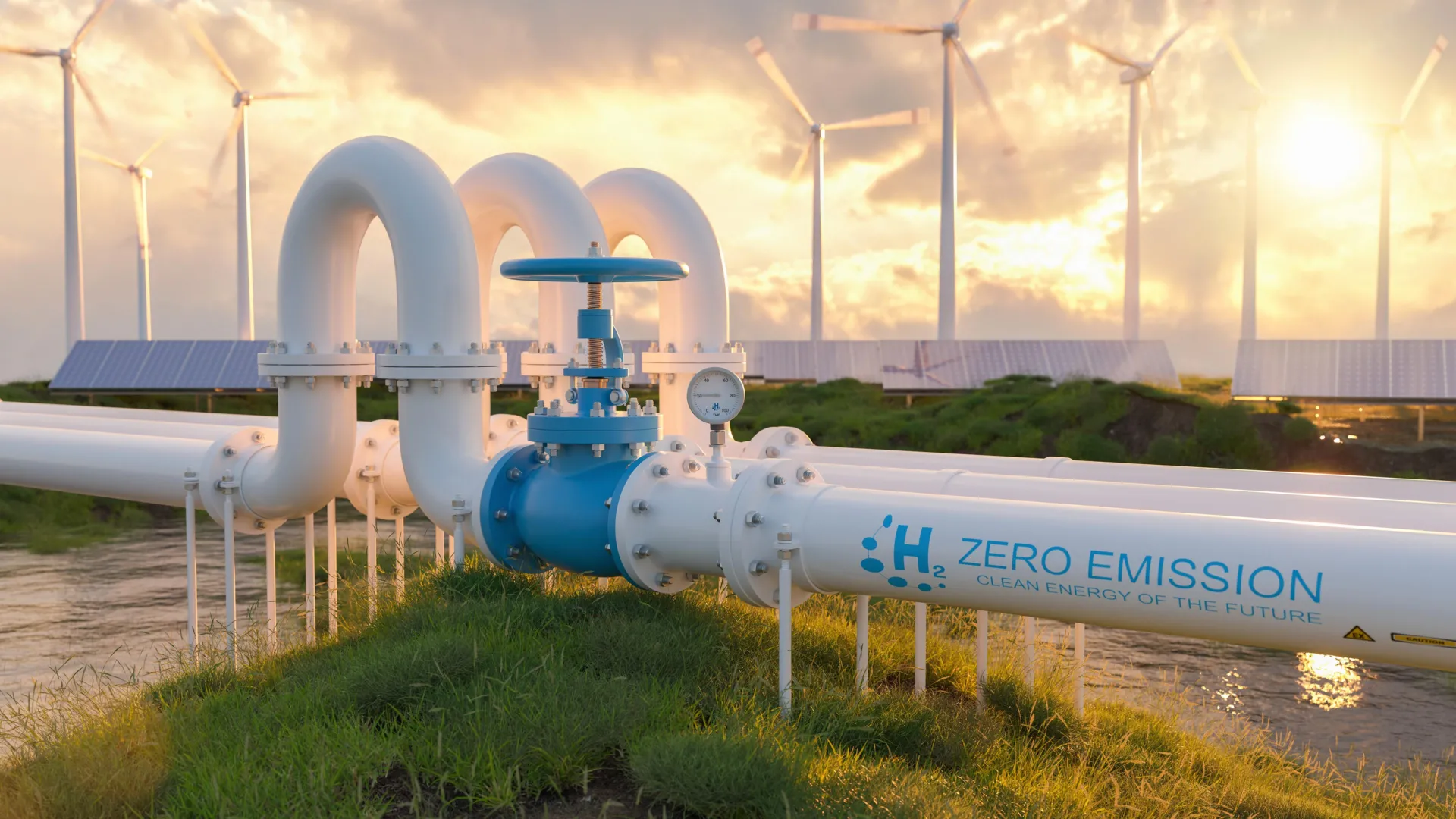
A new European Union‑backed project is set to overhaul green‑hydrogen production, making it cleaner, cheaper, and free from harmful “forever chemicals” known as PFAS. Researchers from Graz University of Technology, the Turkish Science and Technology Council (TÜBITAK), and several industry partners are developing a next‑generation electrolyser that spins to boost efficiency while using specially engineered, microporous membranes that contain no PFAS. Fraunhofer ISE in Germany is supplying the membrane‑electrode units, and Norway’s Element One Energy is designing the rotating electrolyser core. A parallel effort led by the University of Southern Denmark and catalyst firm Ceimig aims to slash the amount of iridium—a rare, expensive platinum‑group metal—required for PEM electrolysis by up to 75 % and to recycle up to 90 % of the metal that remains in use. The initiative is funded through the Clean Energy Transition Partnership (CETPartnership) under the 2024 joint call for research proposals, with co‑funding from the European Commission (GA N°101069750). If successful, the technology could accelerate the rollout of truly green hydrogen, lowering both environmental impact and production costs.
Read more
Harnessing Space’s Chill: Engine Generates Nighttime Power Without Fuel
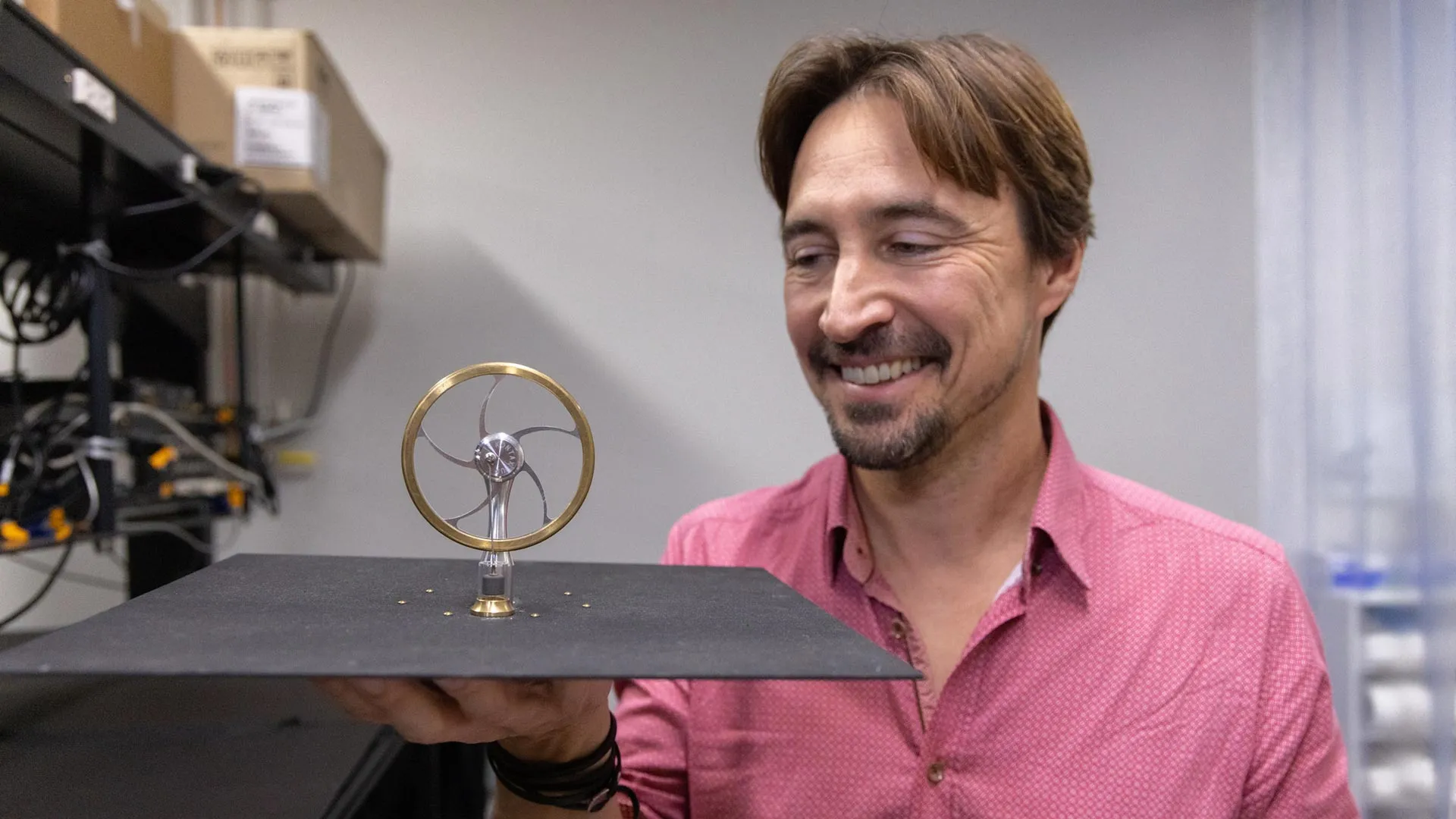
Scientists at the University of California, Davis have unveiled a groundbreaking engine that turns the frigid cold of outer space into usable power after dark—without burning a single drop of fuel. The device works by exploiting a natural temperature gap: Earth constantly radiates heat into the cold vacuum of space, creating a subtle but steady flow of thermal energy. By coupling a tiny heat‑absorbing surface with a radiative cooler that faces the sky, the engine creates a temperature difference large enough to spin a micro‑turbine, producing mechanical power that can be converted to electricity. In laboratory tests, the prototype generated enough energy to run low‑power electronics throughout the night, and the researchers believe the concept could eventually scale up to power electric vehicles, remote sensors, or off‑grid homes. The findings, published in Science Advances, highlight a new class of “radiative‑cooling” technologies that tap an untapped, free energy source already surrounding us. If commercialized, such engines could dramatically reduce reliance on batteries and fossil fuels, offering a clean, silent, and virtually limitless source of nighttime power.
Read more