China’s New Cell‑Gene Therapy Gives Hope to Hard‑to‑Treat Blood Disorder Patients
A team of Chinese doctors has announced a major breakthrough for patients suffering from autoimmune hemolytic anemia (AIHA), a condition where the immune system attacks red blood cells. Many patients eventually stop responding to standard drugs, leaving them vulnerable to serious infections, blood clots and even death. In a study published in the New England Journal of Medicine, researchers from the Institute of Hematology at the Chinese Academy of Medical Sciences used a specially engineered version of the patient’s own immune cells—called autologous CD19 CAR‑T cells—to target and destroy the rogue immune cells causing the disease. The treatment not only put patients into long‑lasting remission without the need for ongoing medication, but it also proved safe. For the few patients who relapsed after the first CAR‑T infusion, the team introduced a second‑line therapy using a BCMA×CD3 bispecific antibody, which again achieved remission. The scientists also explained why the disease can return after CAR‑T therapy, paving the way for more precise, mechanism‑driven treatments. Backed by national research grants, this work offers a new, potentially curative option for those who have exhausted all other therapies.
Read more
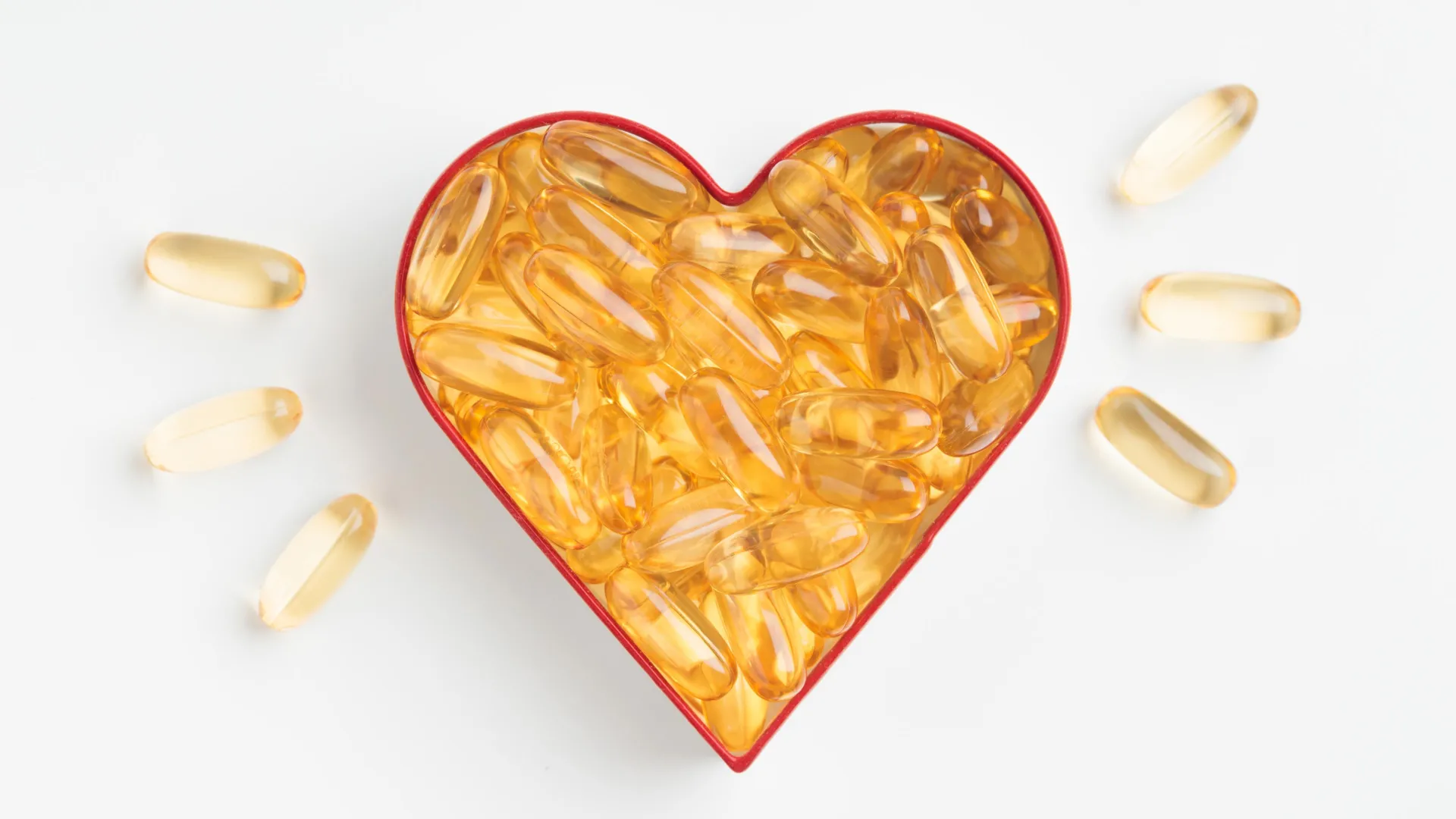
Fish Oil Cuts Heart Attacks and Strokes for Dialysis Patients, New Study Finds
A groundbreaking international study has shown that a simple daily fish‑oil pill can dramatically lower the risk of serious heart problems for people on dialysis. The research, called the PISCES trial, followed 1,228 dialysis patients at 26 clinics across Australia and Canada. Participants who took the fish‑oil supplement experienced far fewer heart attacks, strokes, and heart‑related deaths than those who received a placebo.
Dialysis patients are known to face a very high chance of cardiovascular events, and effective treatments have been scarce. This trial, co‑led by Monash Health and Monash University’s School of Clinical Sciences, provides the first solid evidence that a readily available supplement can make a life‑saving difference. The results were unveiled at the American Society of Nephrology’s Kidney Week 2025 and published in The New England Journal of Medicine.
Researchers say the findings could reshape standard care for kidney‑failure patients, offering a low‑cost, low‑risk option to protect the heart. While more work is needed to confirm long‑term benefits, the study marks a rare and hopeful breakthrough in a field that has long struggled for effective cardiovascular solutions.
Read more
Breakthroughs in Anti‑Aging: Ten New Discoveries Promise Healthier, Longer Lives
At a high‑profile press conference on Jan. 15, scientists unveiled the ten most exciting advances in longevity medicine from the past year. Researchers in China built a full‑cycle system that measures aging, uncovers its biological causes and tests multi‑target treatments. In the United States, a team used lipid‑nanoparticle mRNA technology to revive immune function in old mice, while another group showed that a tiny molecule called lithocholic acid mimics the benefits of calorie restriction. Studies from Novo Nordisk, Eli Lilly and others revealed that popular diabetes drugs (GLP‑1 receptor agonists) also protect the heart and reduce inflammation, hinting at broader anti‑aging uses. A breakthrough in mole‑rat biology identified a new DNA‑repair target that could be harnessed for human longevity. Researchers also proved that “mesenchymal drift,” a universal aging process, can be partially reversed through cellular re‑programming. On the translation side, a Macau university created a nasal aerosol that delivers hydrogen to treat lung fibrosis, and Beijing’s first anti‑aging clinical center—combining AI, molecular biology, and traditional Chinese medicine—opened its doors. The government’s new guidelines for anti‑aging clinics aim to turn proactive health into a national strategy, moving society from merely treating illness to keeping people vibrant and functional for longer.
Read more
China Mobile’s 5G Breakthrough: High‑Efficiency Tech Spotlighted in Nature Electronics
China Mobile has taken a major step toward greener mobile networks by publishing a comprehensive review article in the prestigious journal *Nature Electronics*. Authored by the carrier’s chief scientist Dr. Yi Zhiling, Dr. Han Shuangfeng, and researcher Bian Sen, the paper—titled “High‑energy‑efficiency 5G technologies for a green future”—examines why 5G’s promise of faster speeds and massive connectivity comes with a steep rise in power consumption. The authors explain that the higher antenna count, wider bandwidth, and denser base‑station deployment inherent to 5G can erode overall energy efficiency, defined as the ratio of data‑transfer rate to total power use. To counter this, the review outlines a suite of strategies being pursued worldwide: advanced beam‑forming antennas, AI‑driven traffic management, dynamic sleep modes for idle cells, and tighter integration of renewable energy sources. By quantifying the potential savings of each approach, the article provides a roadmap for telecom operators to cut emissions without sacrificing performance. The publication not only showcases Chinese research on the global stage but also signals a commitment to sustainable, high‑speed connectivity as the industry eyes 6G.
Read more
How AI‑Powered Digital Twins Are Supercharging China’s Manufacturing and PLM Revolution
Artificial intelligence and digital‑twin technology are reshaping China’s product‑lifecycle management (PLM) and giving manufacturers a powerful boost in efficiency, sustainability and speed. By pairing a hybrid solver that mixes mixed‑integer programming with genetic algorithms, TSMC lifted equipment utilization from 92.7 % to 95.4 %, cut energy use by 15 % and nudged yield from 99.12 % to 99.28 % on its 5 nm line. Samsung’s twin‑driven dynamic scheduling lifted overall equipment effectiveness from 78 % to 89 %, while Yangtze Memory’s 28 nm line saw load‑balancing jump from 0.67 to 0.89.
In the paint sector, a secure formula‑management module encrypted recipes, slashed leakage risk from 38 % to 2 % and halved new‑product development time. An automotive OEM trimmed raw‑material environmental audits from 72 hours to eight minutes, raising compliance by 92 %.
Domestic PLM leader Ruihuali PLM showcases how deep local adaptation, AI‑assisted parameter matching and full‑cycle digital‑twin integration can cut engineering‑change cycles by 35 % and R&D costs by 20 %. Real‑world pilots report 30 % faster development, 25 % higher reliability, and up to 50 % shorter line commissioning. With 5G, AI and advanced simulation, digital‑twin‑enabled PLM is becoming the strategic backbone for China’s push toward intelligent, green factories across semiconductors, rail equipment, paints and beyond.
Read more