
AI Answers May Be Making Us Forget: Study Shows Learning Takes a Hit
A new study warns that relying on AI chatbots like ChatGPT for quick answers could actually shrink our own knowledge. Researchers asked participants to learn about a simple topic—such as how to grow a vegetable garden—using either a large‑language model or a traditional Google search. Those who let the AI do the heavy lifting received a polished, ready‑made summary, while the Google group had to click through multiple links, read different sources, and piece the information together themselves.
The findings show that the “friction” of searching and synthesising information forces the brain to build a deeper, more flexible mental model of the subject. In contrast, the AI‑driven approach turns learning into a passive activity, leaving users with a surface‑level understanding that fades quickly.
While AI tools are undeniably convenient, the researchers caution that over‑reliance may erode critical thinking skills and long‑term retention. They suggest using AI as a supplement—perhaps for brainstorming or clarification—while still engaging directly with source material to keep the learning muscles strong. The study adds to growing concerns about how emerging technologies shape the way we think and remember.
Read more
China’s Space Triumphs Ignite Public Awe – From Shenzhou‑22 Launch to Moon‑Soil Mystery
On November 25, China celebrated a flawless launch of the Shenzhou‑22 crewed spacecraft. After reaching orbit, the vehicle docked smoothly with the Tianhe core module of the Tiangong space station, then settled into a parking position to serve as the return vehicle for the Shenzhou‑21 crew. The mission, hailed as the first emergency‑launch success for China’s manned program, sparked a wave of online excitement, with netizens sharing photos of the crew’s “family portrait” and joking about a future “space barbecue.”
At the same time, scientists unveiled the long‑sought answer to why lunar soil from the Chang’e‑6 mission feels sticky. By examining particle mechanics, researchers discovered that abundant, easily‑crushed feldspar minerals and intense space‑weathering on the moon’s far side give the dust a cohesive quality. This insight is crucial for future lander safety and dust‑control strategies.
Looking ahead, China’s 15th Five‑Year Plan promises four new scientific satellites aimed at probing the deepest cosmic mysteries and even hunting for a “second Earth.” The public’s reaction is a mix of wonder and pride, with comments like “too many surprises to keep up with” and “China’s space program deserves even higher expectations.”
Read more
China Powers Ahead: Record‑Breaking Green Hydrogen, Giant Gas Plant, and First Oil‑Free Aircraft Engine
China is sprinting toward a greener future with three headline‑making energy milestones. First, its green‑hydrogen industry now produces more than 220,000 tonnes a year – over half of the world’s total – and the country has built more than 540 hydrogen‑fuel stations, accounting for 40% of the global count. Investment in clean‑hydrogen projects also tops the charts, representing 30% of worldwide spending.
Second, on November 30 the nation commissioned the first unit of the Zhejiang Anji Power Plant, the world’s largest single‑unit gas turbine. With an efficiency of 64.15%, it outperforms conventional coal plants by about 17 percentage points, delivering low‑carbon, fast‑response power that smooths the grid’s peaks and valleys and supports renewable energy integration.
Third, China unveiled its first oil‑free aircraft engine at the Asian General Aviation Exhibition. This megawatt‑class hybrid turbine runs on hydrogen, delivering the power density of electricity while eliminating carbon emissions – burning hydrogen produces virtually no CO₂.
Together, these breakthroughs showcase China’s relentless push for independent innovation and its commitment to sustainable, high‑tech energy solutions that could shape the global clean‑energy roadmap for years to come.
Read more
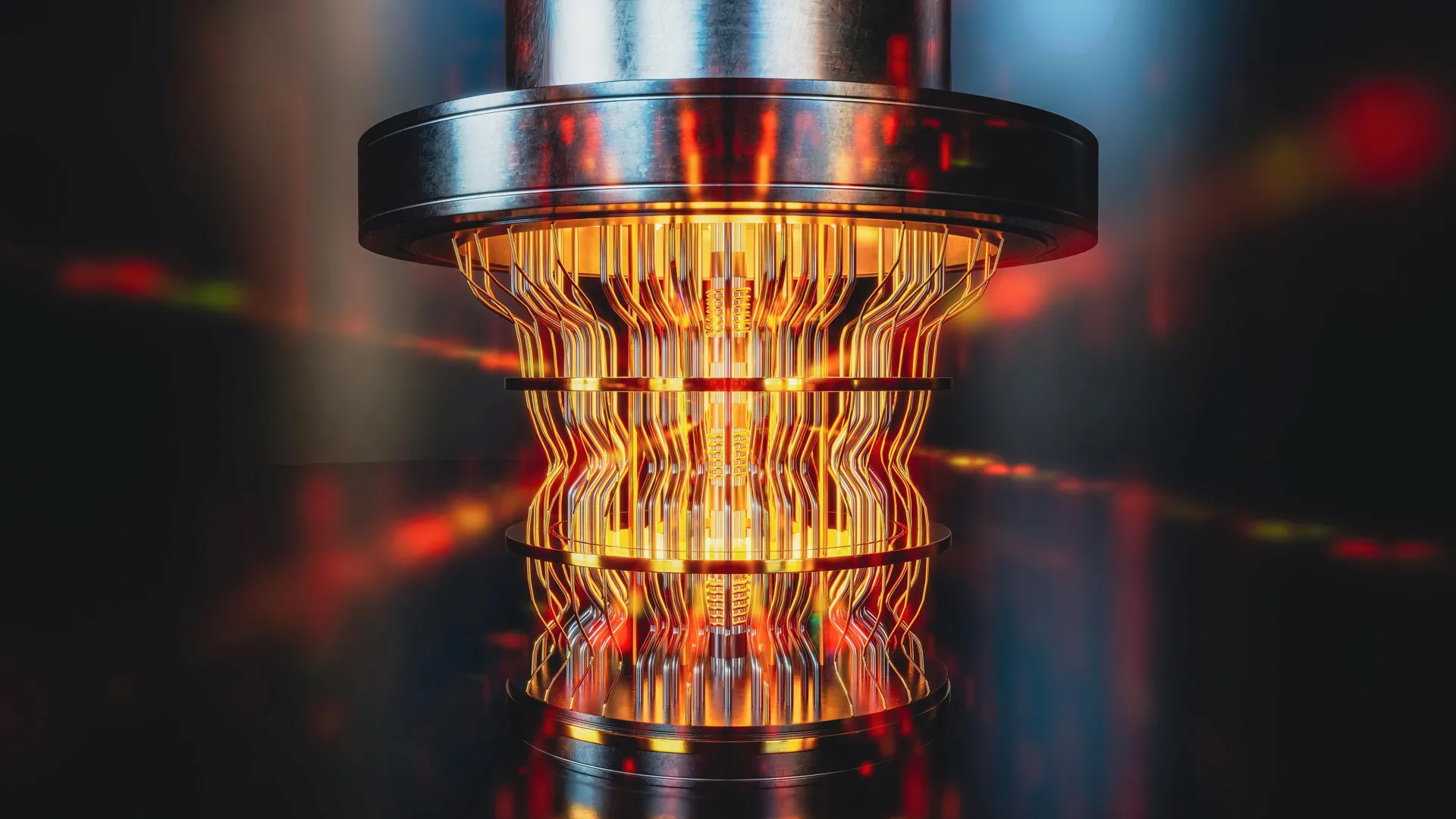
New Quick Test Reveals Mistakes in Quantum Computers
Researchers have unveiled a fast‑acting safety check for quantum computers, especially the powerful “Gaussian Boson Sampling” (GBS) machines that promise breakthroughs in chemistry and cryptography. Until now, confirming that a quantum device produced the right answer could take thousands of years of classical computing, making it practically impossible to spot errors. The new method, developed by a team at Swinburne University of Technology, can verify results in just minutes, turning a once‑theoretical quality‑control step into a routine procedure.
In a striking demonstration, the scientists applied their test to a high‑profile GBS experiment that had been hailed as a milestone. The verification uncovered subtle but significant mistakes that had gone unnoticed, highlighting how even cutting‑edge quantum hardware can slip up. By catching these flaws early, the technique paves the way for more trustworthy quantum calculations, accelerating the path toward practical, fault‑tolerant machines.
The breakthrough is more than a technical curiosity; it offers a practical tool for labs worldwide to ensure their quantum outputs are reliable, boosting confidence among investors, policymakers, and the broader public eager for the next wave of quantum innovation.
Read more

Graphene Leap Powers Next‑Gen Batteries: Faster, Safer, Greener Energy Storage
Scientists at Monash University have unveiled a new graphene‑based material that could dramatically boost the performance of rechargeable batteries. By arranging graphene sheets into a three‑dimensional lattice, the team created an ultra‑light, highly conductive scaffold that stores far more charge than conventional lithium‑ion designs while resisting the formation of dangerous dendrites—tiny metal spikes that can cause short‑circuits and fires. Using a cutting‑edge 3D imaging technique, researchers watched dendrite growth in real time and showed that the graphene framework redirects lithium ions into safe pathways, extending battery life and improving safety. The breakthrough promises faster charging, higher energy density, and longer lifespans for everything from smartphones to electric cars and grid‑scale storage. If commercialized, the technology could reduce reliance on scarce raw materials, lower the carbon footprint of energy storage, and accelerate the shift toward renewable power. Monash’s findings, published in a leading materials‑science journal, mark a significant step toward the next generation of clean, efficient, and reliable batteries.
Read more