A Decade-Long Quest Lights Up New Tech: Lanthanide Nanocrystals Shine Bright
After 14 years of patient perseverance, an international team of scientists from NUS, Heilongjiang University, Tsinghua University’s Shenzhen International Graduate School, and City University of Hong Kong has finally cracked a long‑standing challenge in materials science. Their breakthrough centers on lanthanide‑based nanocrystals that can be electrically excited to emit vivid, tunable light—a feat that was once thought impossible for such stubborn materials. The researchers achieved this by generating “electro‑generated excitons,” a novel way to pump energy into the crystals, allowing precise control over color and intensity. Published in Nature, the study not only showcases a new class of electroluminescent devices but also opens doors to ultra‑efficient displays, advanced sensors, and next‑generation lighting solutions. Lead author Jing Tan described the journey as a personal highlight, noting how the idea survived setbacks and grew stronger through teamwork. This decade‑long effort demonstrates that persistence in fundamental research can turn obscure concepts into practical technologies that may soon illuminate everything from smartphones to smart cities.
Read more
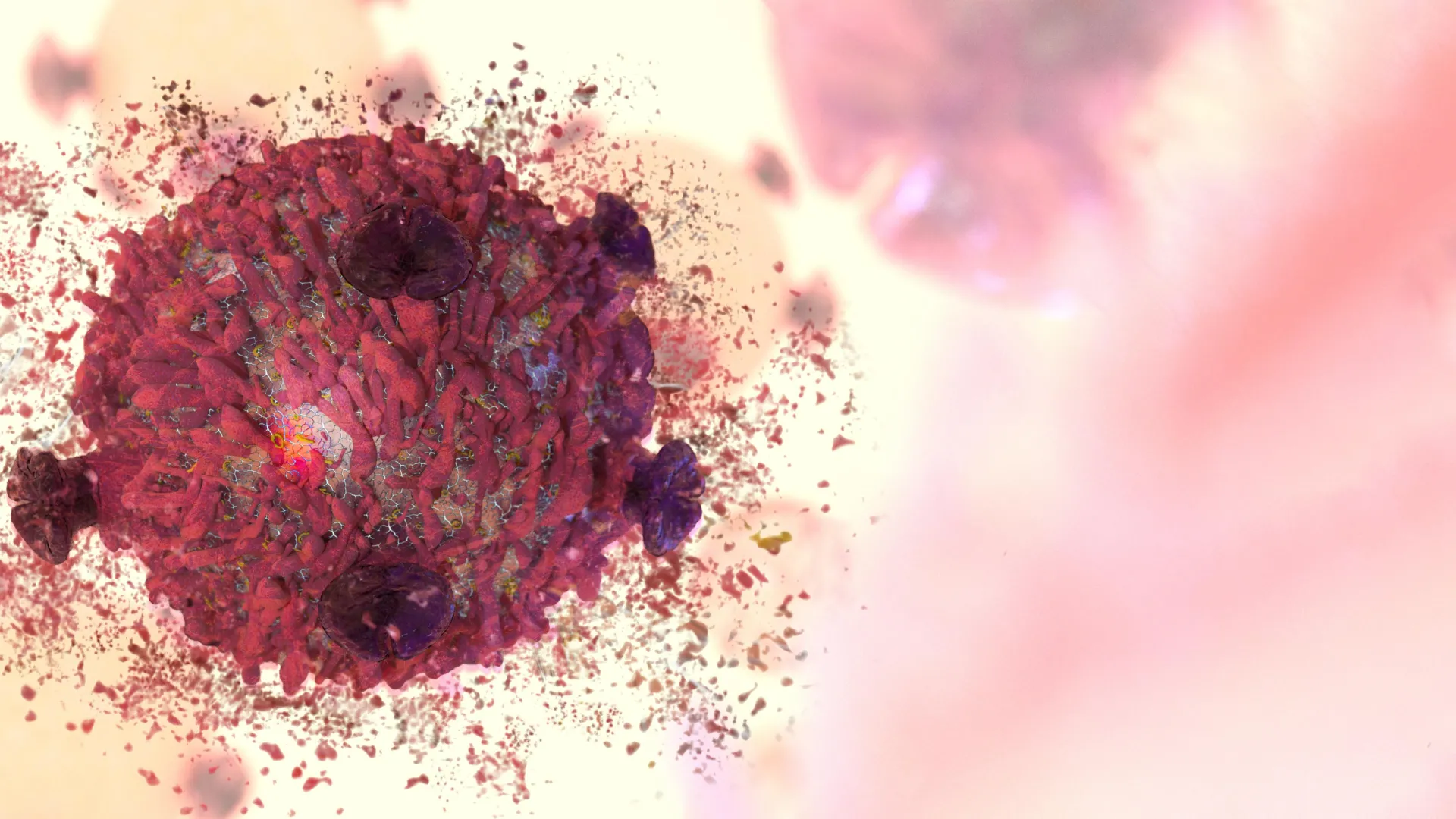
Cutting Off One Protein Makes Deadly Childhood Cancer Cells Kill Themselves
Researchers at NYU Langone Health have discovered a surprising vulnerability in a particularly aggressive form of childhood cancer. The tumor cells depend heavily on a single protein that fuels a sugar‑processing pathway essential for their rapid growth and spread. By using a specially designed drug to block this protein, the scientists were able to shut down the pathway, causing the cancer cells to undergo programmed cell death – essentially forcing them to self‑destruct. The breakthrough was demonstrated in laboratory models, where treated tumors shrank dramatically and showed far fewer signs of metastasis. Importantly, normal cells were largely unaffected, suggesting the approach could spare healthy tissue and reduce the harsh side effects typical of chemotherapy. While the findings are still pre‑clinical, the team is optimistic that this strategy could lead to a new class of targeted therapies for hard‑to‑treat pediatric cancers. The next steps include refining the drug’s safety profile and moving toward early‑phase clinical trials, offering fresh hope to families confronting these devastating diagnoses.
Read more