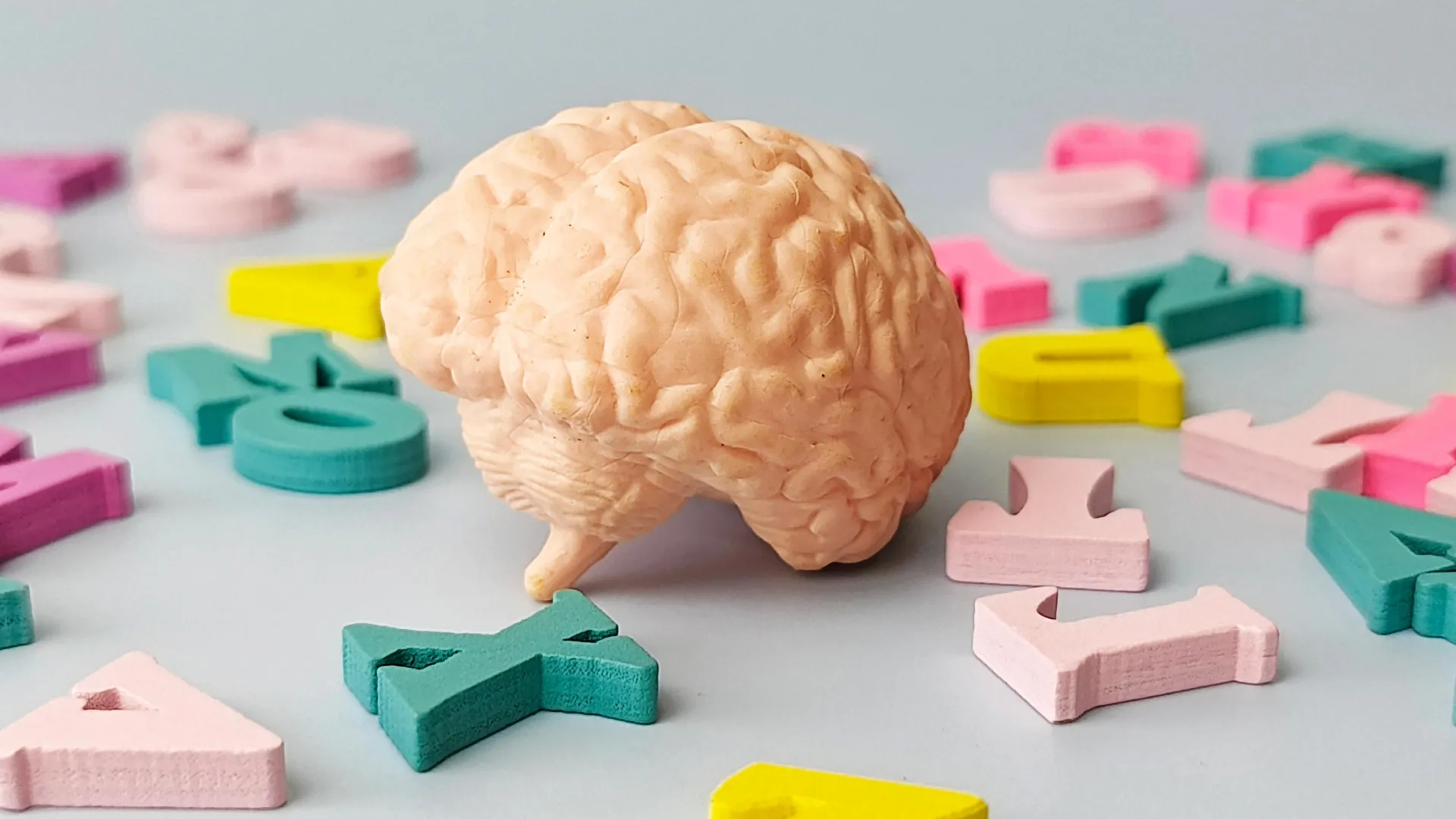
Speaking Multiple Languages Could Keep Your Brain 13 Years Younger
A new European neuroscience study suggests that the more languages you speak, the younger your brain may appear. Researchers examined 728 adults from Spain’s Basque region, where many people grow up juggling Spanish, Basque, French and English. Using a technique called magnetoencephalography, which tracks the tiny magnetic fields generated by active brain cells, the team captured detailed snapshots of each participant’s brain activity. They then fed this data into an artificial‑intelligence model that had been trained to recognize the typical patterns of a brain at different ages – essentially creating a “brain‑age clock.” The results were striking: individuals who fluently spoke four languages showed brain‑age estimates up to 13 years younger than those who spoke only one language. Even speaking two or three languages offered a noticeable benefit, and the advantage grew larger the earlier people started learning and the more proficient they became. The findings hint that multilingualism may help preserve neural connections and slow the cognitive decline that comes with aging. While the study doesn’t prove that language learning will reverse brain aging, it adds to a growing body of evidence that staying mentally active—especially by mastering new languages—could be a powerful tool for long‑term brain health.
Read more