China’s Stem Cell Boom: New Policies, Cutting‑Edge Research, and the Road to Global Leadership
The Zhangjiang Pharmaceutical Valley hosted a high‑profile conference that highlighted how China is shifting from merely keeping pace in stem‑cell science to taking the lead. Top scientists, including academicians from the Chinese Academy of Sciences, the French Academy of Technologies, and the Russian Academy of Engineering, presented a series of forward‑looking talks.
Key takeaways included a strategic roadmap for pluripotent stem cells in regenerative medicine, the promise of exosome‑based anti‑aging products, and practical pathways for turning lab discoveries into market‑ready therapies. New government directives—known as Orders 818 and 828—were dissected, showing how they will streamline regulation, boost industry standards, and open funding channels for biotech firms.
The conference also explored data‑driven precision medicine, the development of mesenchymal stem‑cell drugs, universal organ‑transplant strategies, and innovative approaches to heart‑repair and metabolic health. Parallel forums covered drug development, clinical translation, organoid technology, and investment opportunities, underscoring a full‑chain ecosystem that links policy, research, and commercialization.
Overall, the event painted a vivid picture of a rapidly maturing Chinese stem‑cell sector poised to deliver new treatments, address organ shortages, and contribute to the nation’s “Healthy China” goals.
Read more
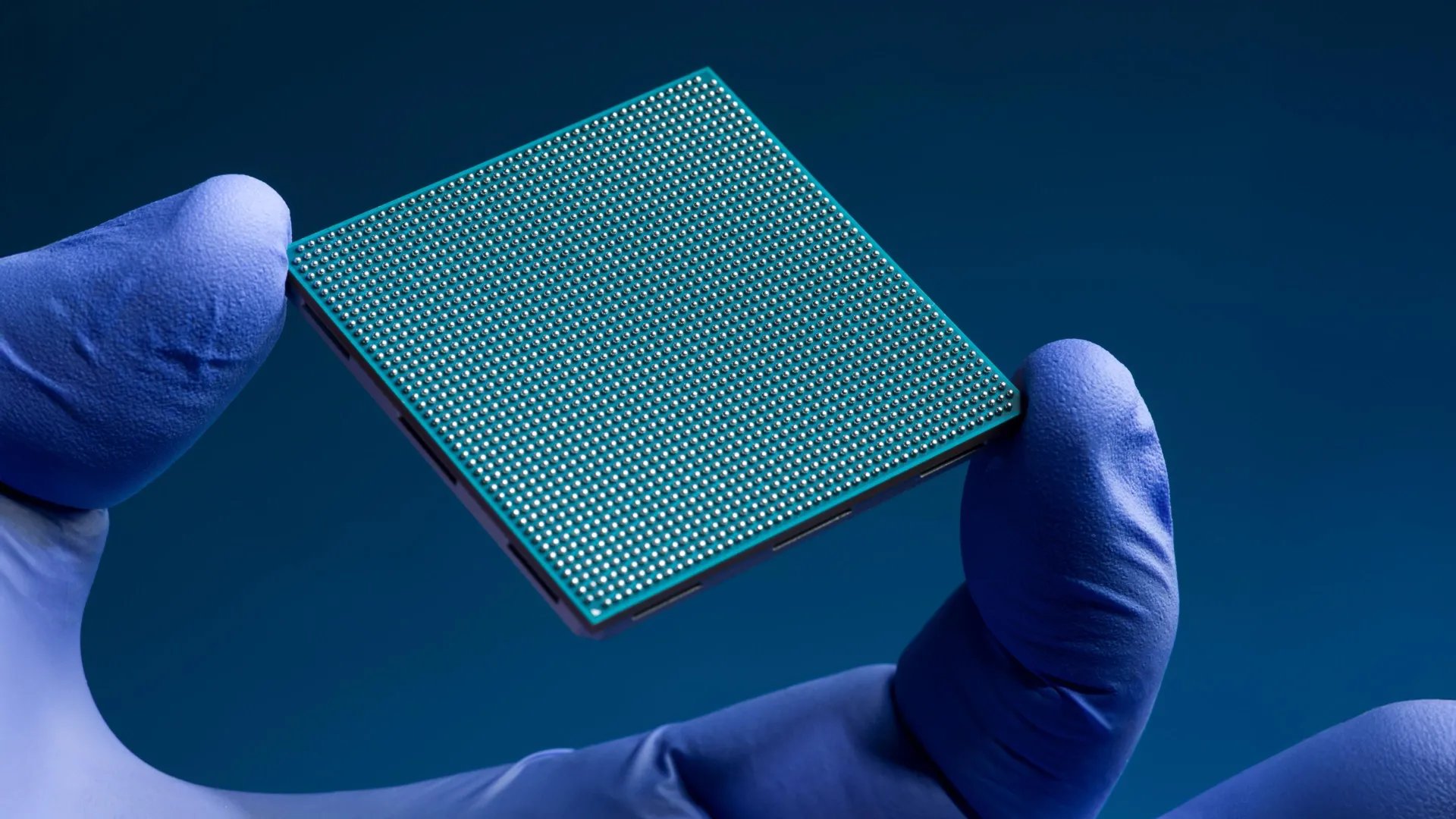
NASA Unveils Brain‑Powered Chip That Lets Spacecraft Make Their Own Decisions
NASA’s Jet Propulsion Laboratory has rolled out a groundbreaking artificial‑intelligence chip designed especially for space travel. Dubbed the “Space‑AI Processor,” this tiny, ultra‑low‑power chip can analyze sensor data, spot anomalies, and choose the best course of action without waiting for instructions from Earth. By handling tasks like navigation tweaks, equipment health checks, and unexpected hazards on the spot, the chip promises to make future missions faster, safer, and less dependent on costly, time‑delayed communications. Its rugged design can survive the harsh radiation and temperature swings of deep‑space environments, and its energy‑efficient architecture means it can run for years on the limited power available on spacecraft. Engineers say the technology could be a game‑changer for missions to Mars, asteroids, and beyond, where real‑time human control is impossible. The chip also opens the door to swarms of small probes that can coordinate autonomously, exploring places too risky for traditional robots. NASA plans to test the processor on upcoming lunar and Martian missions, marking a major step toward truly self‑thinking spacecraft that can adapt on the fly and extend humanity’s reach into the solar system.
Read more
China Turns the Tables on Heart Stents: From Imported Luxury to $100 Price Tag
Heart‑saving stents used to be an imported, expensive specialty in China, often costing more than 10,000 yuan per unit. Today, domestic manufacturers are producing the same life‑saving devices for as little as 700 yuan, thanks to breakthroughs in three key areas.
First, engineers have mastered materials that are both strong enough to stay open for decades and flexible enough to travel through winding arteries without damaging them. Early models were made of stainless steel, later upgraded to cobalt‑chromium alloys, and now researchers are testing iron‑based biodegradable stents that dissolve after 2‑3 years, eliminating long‑term risks.
Second, the problem of “in‑stent restenosis” – the artery narrowing again after a bare‑metal stent is placed – has been tackled with drug‑coated polymers that release medicine slowly, cutting the restenosis rate from about 25 % to under 10 %.
Third, the whole delivery system – catheters, imaging, surgical technique, and post‑op monitoring – has been built up domestically, turning catheter technology into a high‑threshold, home‑grown industry.
China’s journey began in the 1980s with imported equipment, but a decade of clinical experience paved the way for home‑grown R&D, large‑scale trials, and finally price‑competitive products that meet international standards. The result is a thriving, self‑sufficient market that continues to push forward with next‑generation biodegradable stents.
Read more

NASA’s New Roman Telescope Set to Unveil the Hidden Universe
NASA is gearing up to launch its next‑generation space observatory, the Nancy Grace Roman Space Telescope, in September 2026 aboard a SpaceX Falcon Heavy from Kennedy Space Center. Designed like a giant eye that sees in infrared, Roman will sweep the sky in unprecedented detail, mapping the distribution of dark matter and dark energy while hunting for distant worlds around nearby stars. Over its five‑year primary mission the telescope is expected to collect about 20,000 terabytes of data—enough to catalog roughly 100,000 exoplanets, hundreds of millions of galaxies, and billions of stars. Scientists anticipate that the massive data archive will reveal rare cosmic events and perhaps entirely new types of objects that have never been observed before. By delivering ultra‑wide, ultra‑deep surveys, Roman aims to transform how astronomers study the cosmos, providing a treasure trove of information that will fuel research for decades. The mission’s ambitious goals, combined with the powerful launch vehicle, promise a new era of discovery that could reshape our understanding of the universe and our place within it.
Read more