Breakthroughs in Cell & Gene Therapy: In‑Body CAR‑T, Lilly’s $7 Billion Deal, and China’s New Compliance Era
The cell‑and‑gene therapy (CGT) landscape is accelerating on three fronts. First, China celebrated its first stem‑cell drug, Platinum Biotech’s Emimetox Injection, approved in January 2025 for graft‑versus‑host disease, and the CBER cleared five diverse CGT products ranging from an AAV therapy for spinal muscular atrophy to a gene fix for Wiskott‑Aldrich syndrome.
Second, a landmark study from UC San Francisco showed that a “dual‑particle” system can create CAR‑T cells directly inside the body with a single injection, wiping out leukemia, myeloma and even solid‑tumor models in mice within two weeks. The approach could eliminate the weeks‑long, costly manufacturing step that has limited CAR‑T’s reach. Around the same time, Eli Lilly announced a up‑to‑$7 billion acquisition of Kelonia Therapeutics, a platform for in‑vivo gene delivery, underscoring pharma’s bet on off‑the‑shelf, on‑demand immunotherapies.
Third, the market is booming: global CGT sales are projected to jump from roughly $13 billion in 2025 to over $200 billion by 2034, driven by rapid growth in China and the broader Asia‑Pacific region. Policy shifts—such as the FDA easing post‑infusion monitoring for CAR‑T products—and new insurance schemes in Shanghai, Tianjin and Beijing are making these once‑prohibitively expensive treatments more affordable for patients. Together, these advances signal a transition from experimental miracles to scalable, everyday medicines.
Read more
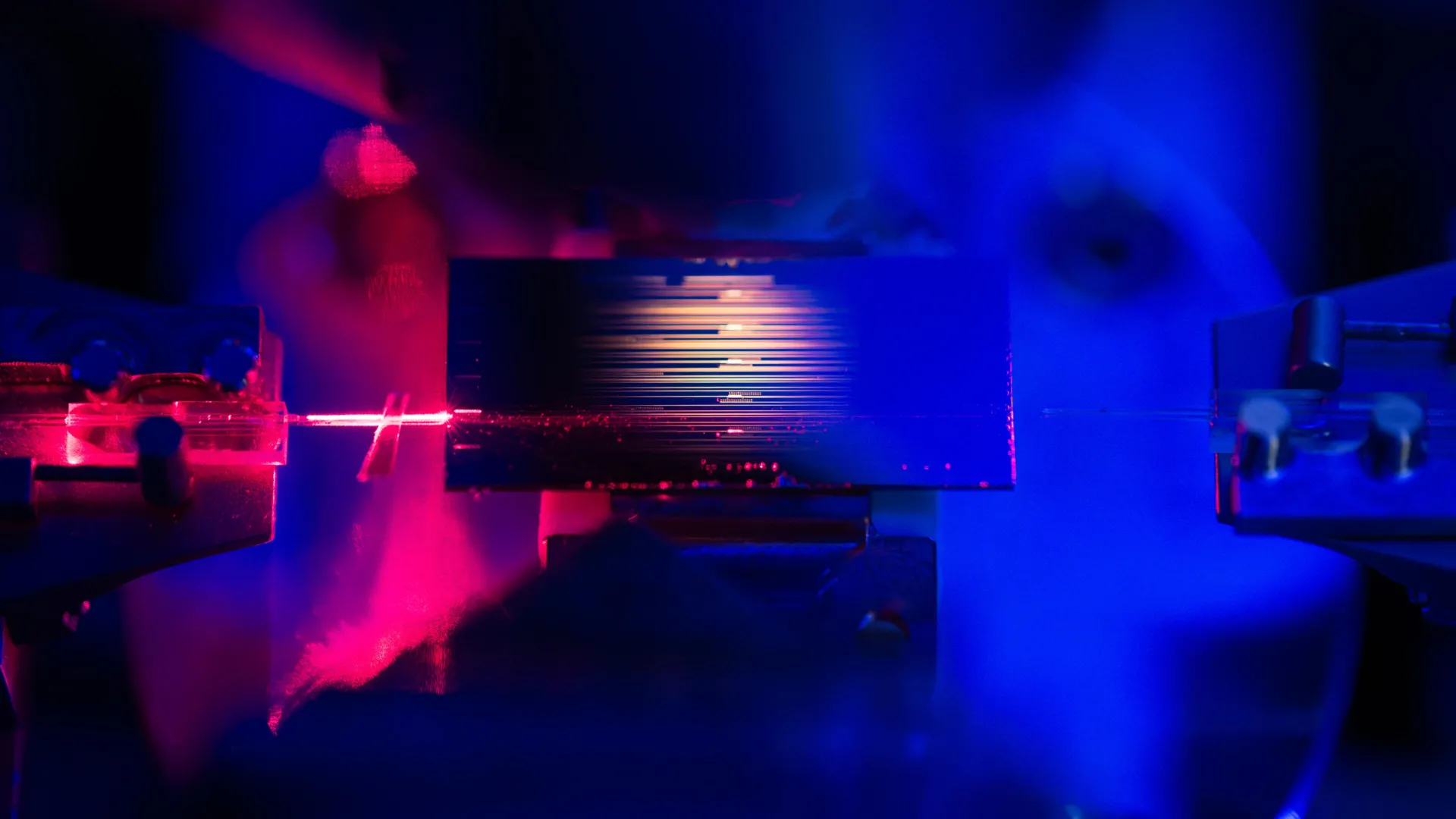
Stanford Unveils Tiny Chip That Supercharges Light 100‑Fold Using Almost No Power
Stanford engineers have created a miniature optical amplifier that can boost a light signal up to 100 times stronger while sipping only a fraction of the energy typical devices need. The secret lies in a clever “looping resonator” that recycles light inside the chip, letting it amplify the signal without adding much noise. Because the design is compact and highly efficient, the chip could run on a small battery and be built directly into everyday gadgets such as smartphones, wearables, or internet‑of‑things sensors. Its wide bandwidth means it can handle many different wavelengths, opening the door to faster data links and more powerful optical components in consumer electronics. Researchers say this breakthrough could dramatically speed up wireless communication, improve fiber‑optic networks, and pave the way for new low‑power photonic technologies. The work, announced in May 2026, highlights how rethinking energy reuse at the microscale can lead to big gains in performance while keeping power consumption low, a crucial step toward greener, faster tech for the masses.
Read more
China’s Pharma Boom: 10 Years of Breakthroughs in Traditional Medicine, Biologics, and High‑Tech Devices
Over the past decade China’s drug industry has moved from copying foreign formulas to creating its own breakthroughs. In traditional Chinese medicine, modern tools such as metabolomics, network pharmacology and bio‑informatics are being used to pinpoint active ingredients, clarify how they work, and tighten quality control. This scientific upgrade has turned vague herbal recipes into rigorously tested medicines for heart, brain‑vascular and autoimmune disorders, while a new traceability system guarantees batch‑to‑batch consistency.
Biologic drugs have surged ahead, with home‑grown bispecific antibodies, antibody‑drug conjugates, gene‑editing and cell‑therapy products now competing globally. Domestic manufacturers have also built their own bioreactors, chromatography media and smart production lines, cutting costs and breaking foreign monopolies.
High‑end medical devices are another success story. Since 2015 China has gone from importing 3‑Tesla MRIs to producing its own carbon‑ion radiotherapy systems, ECMO machines and photon‑counting CT scanners, making it only the third country worldwide with that technology. By 2025 more than 400 innovative devices had received market approval.
Looking ahead to 2035, the plan is to turn AI into a core drug‑discovery engine, lower the price of cutting‑edge therapies, and roll out next‑generation imaging and brain‑computer‑interface equipment, positioning China as a true leader in global pharmaceutical innovation.
Read more
User‑Focused Innovation Is Revamping China’s Medical‑Device Hubs
Senior tech expert Zhou Luming says China’s strength lies in “application‑end innovation,” a user‑driven approach similar to the EU’s model. In the medical‑device sector this means building industrial clusters that start with doctors’ and patients’ needs and then bring together suppliers, researchers and manufacturers to create solutions quickly and cheaply.
Two kinds of clusters have emerged. “Universal” groups such as Mindray, United Imaging and Yuyue sit in the Pearl River and Yangtze River deltas, using strong component supply chains and testing labs to produce a wide range of equipment – monitors, imaging scanners and home‑care devices – that serve everyday hospitals. “Specialized” clusters focus on hard‑to‑solve clinical problems. In Beijing’s Changping International Medical Device City, firms partner with top hospitals and universities to co‑create high‑end products like a swept‑source eye scanner, an integrated radiotherapy system and AI‑driven neuromodulation devices, replacing imports with home‑grown technology.
A vivid example is AK Orthopaedic Medical Devices, which works hand‑in‑hand with leading orthopaedic centers to design 3‑D‑printed, patient‑specific bone implants and a joint‑surgery robot. The collaboration has cracked foreign monopolies and sparked a ripple effect for nearby companies.
Overall, these clusters cut R&D costs, speed up market entry and boost China’s move from a manufacturing giant to a manufacturing powerhouse.
Read more