Breakthroughs in Fighting Heart Disease: New Targets, Nanotech, and Gut‑Microbe Strategies Unveiled
A wave of fresh research is reshaping how doctors think about atherosclerosis – the buildup of plaque that clogs arteries and fuels heart attacks. Chinese scientists have identified several promising ways to halt or even reverse this process. First, researchers at Shandong University discovered that a protein called SBK2 acts like a built‑in fire‑extinguisher in immune cells, tagging the inflammation‑driving NLRP3 complex for destruction and slowing plaque growth. In a parallel effort, a team from Nanjing University engineered a “biomimetic nanoreactor” that hides anti‑inflammatory drugs inside a silica sponge coated with neutrophil membranes, allowing the treatment to home in on inflamed vessels. Meanwhile, a gut‑focused study showed that the herbal compound Cephalanoplos reshapes the intestinal microbiome, lowering harmful TMAO levels and protecting blood‑vessel cells from oxidative damage. Other breakthroughs include IRF5‑targeted siRNA nanotherapy that re‑programs macrophages, the identification of the endothelial kinase DAPK2 as a sensor of turbulent blood flow, and siRNA‑based strategies that boost macrophage cleanup of dead cells. Researchers also highlighted the limits of animal models and praised traditional Chinese medicine – specifically Panax notoginseng saponins – for hitting multiple disease pathways at once. Together, these findings point toward a future where heart‑disease treatment is more precise, multi‑targeted, and less reliant on cholesterol‑lowering drugs alone.
Read more
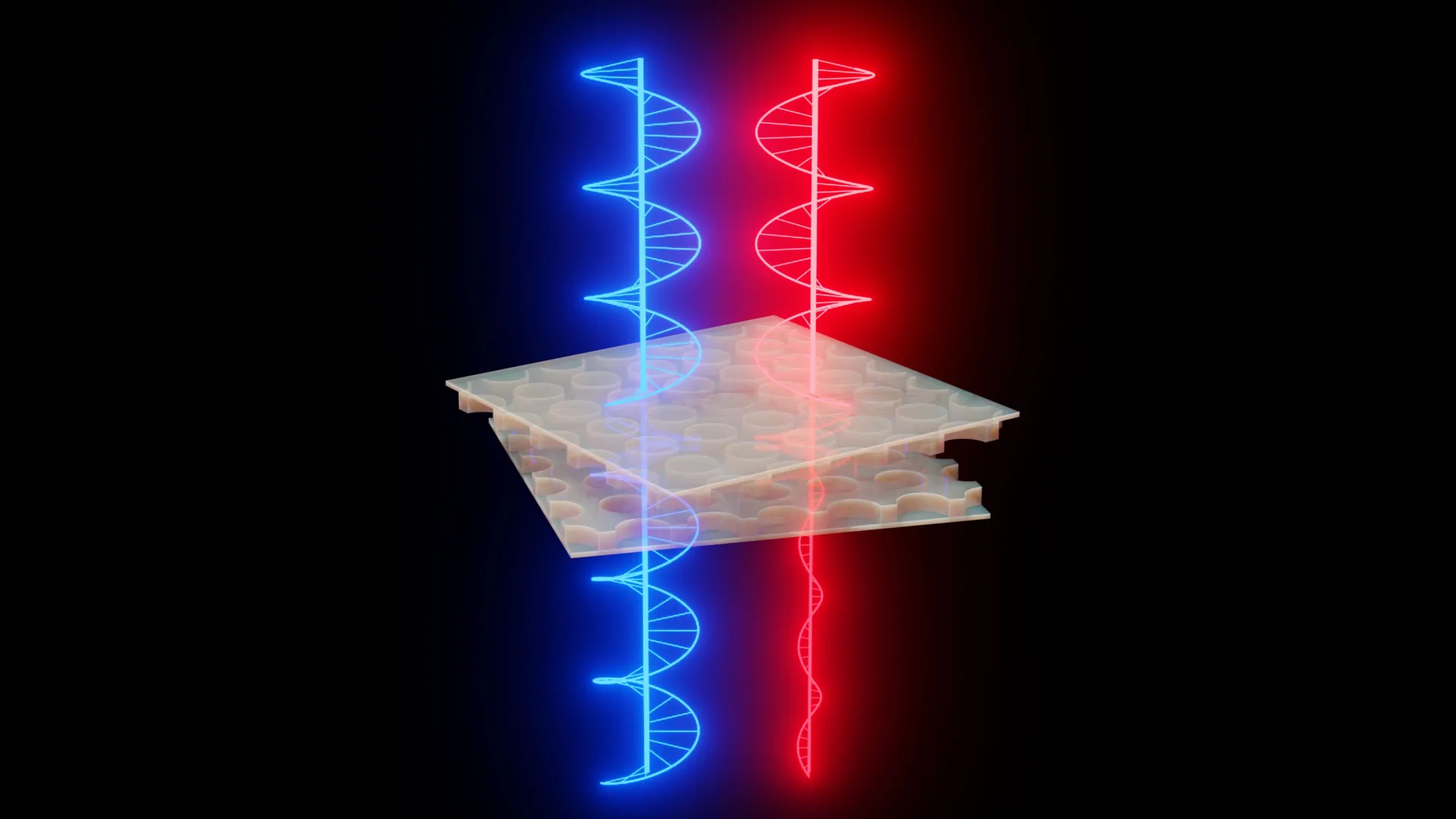
Harvard Researchers Unveil Real‑Time Light‑Twisting Chip That Could Revolutionize 6G and Beyond
A team of engineers at Harvard’s John A. Paulson School of Engineering and Applied Sciences has created a groundbreaking silicon chip that can dynamically twist, steer, and reshape light beams on the fly. Using a novel array of tiny meta‑structures, the device can adjust the phase and polarization of light in real time, enabling ultra‑fast, energy‑efficient control of optical signals. This capability opens the door to next‑generation wireless networks, including the upcoming 6G standard, where terahertz‑frequency light could carry massive amounts of data with unprecedented security. The researchers demonstrated the chip’s ability to modulate light at terahertz speeds while consuming far less power than conventional optical components. Because the chip is compatible with existing semiconductor manufacturing processes, it could be integrated into data centers, photonic processors, and advanced sensing systems without costly redesigns. Beyond communications, the technology promises new tools for quantum computing, biomedical imaging, and even holographic displays, where rapid, precise light manipulation is essential. Harvard’s breakthrough marks a major step toward making light‑based technologies as flexible and programmable as today’s electronic chips, potentially reshaping how information is transmitted and processed across many industries.
Read more
Chinese Breakthroughs Take Center Stage at EHRA 2026 in Paris
From April 12‑14, 2026, the European Heart Rhythm Association’s annual congress (EHRA 2026) will transform Paris into a global hub for the latest advances in cardiac rhythm care. Over three days, world‑leading electrophysiologists will discuss atrial fibrillation, ventricular arrhythmia ablation, physiological pacing, implantable cardioverter‑defibrillators (ICDs), and heart‑failure management.
Highlighting the event, Chinese researchers will showcase 30 cutting‑edge studies, underscoring the nation’s growing influence in cardiac electrophysiology. Key presentations include: a deep dive into atrial fibrillation in patients under 50—examining clinical traits, treatment patterns, stroke risk, and outcomes; a 20‑year retrospective on the durability and coil positioning of pediatric epicardial ICD systems; and innovative work on extravascular ICD therapy.
Other notable Chinese contributions cover left‑bundle‑branch area pacing benefits for patients with coronary sinus leads, the impact of clonal haematopoiesis on cardiac‑resynchronization therapy outcomes, and acute results from single‑lead right‑ventricle pacing trials.
These sessions promise fresh insights for clinicians worldwide, fostering collaboration and accelerating the translation of research into everyday practice. EHRA 2026 thus marks a pivotal moment for both European and Chinese cardiac specialists to shape the future of heart rhythm care.
Read more