Breakthroughs in Breast Cancer Care: Light‑Activated Therapy, New Biomarkers, and Home‑Exercise Hacks
A wave of fresh research is reshaping how we fight breast cancer. Scientists have engineered a novel photosensitizer that homes in on nuclear DNA, turning light into a precise weapon that sparks the immune system to attack tumors – a promising step for photodynamic immunotherapy. In an unexpected twist, sweet‑potato leaves and stems, traditionally pig feed, showed strong anti‑cancer activity in lab tests, hinting at affordable natural therapies.
Meanwhile, engineers at the National Center for Nanoscience have created self‑assembling fluorescent agents that light up tumors and metastatic lymph nodes, enabling surgeons to see and remove cancer with unprecedented accuracy. A real‑world case of a 32‑year‑old with HER2‑low advanced disease illustrates how genetic testing and tailored drug sequencing (from CDK4/6 inhibitors to DS‑8201) can overcome resistance.
China’s new 2026 laparoscopic/robotic breast‑surgery guidelines and a Lancet‑backed review confirm that aerobic, resistance, and combined exercise programs dramatically boost quality of life during chemotherapy. Expert panels also unveiled a metabolic‑gene‑based breast‑cancer classification that predicts outcomes better than older models, and validated the 21‑gene assay for rare histologic subtypes, guiding adjuvant therapy decisions. Together, these advances point to a future where treatment is smarter, surgery is clearer, and patients stay active and empowered throughout their journey.
Read more
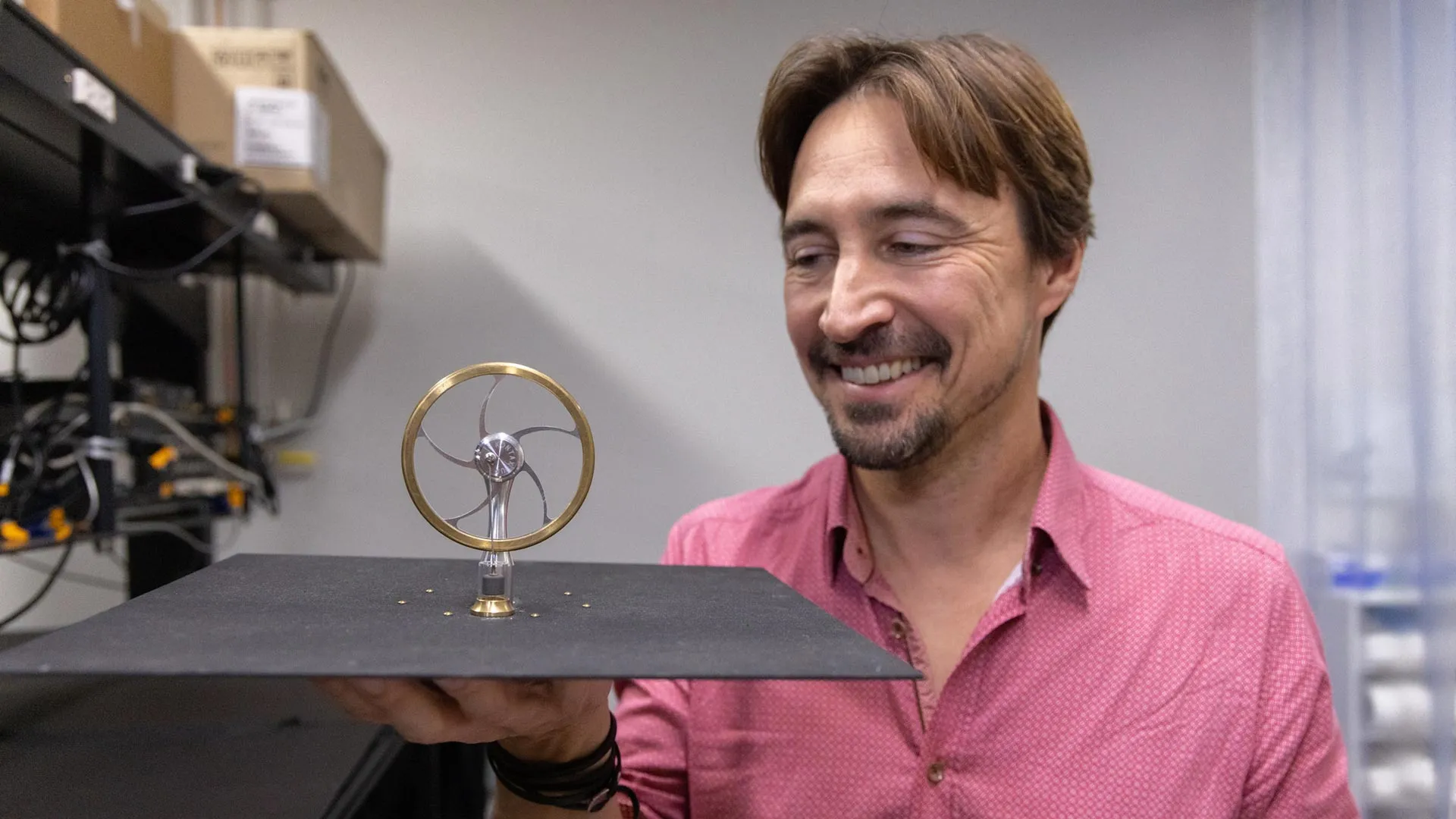
Cold‑Space Engine Turns Nighttime Chill into Free Power for Greenhouses
Engineers at the University of California, Davis have built a novel power source that works while the sun sets. The device, dubbed a “cold‑space engine,” harvests the temperature gap between the warm Earth and the frigid vacuum of outer space to produce mechanical energy. By attaching a thin, radiative panel to a building’s roof, the panel radiates heat into space, cooling one side of a thermoelectric module while the opposite side stays warm from the ground below. This temperature difference drives the module like a tiny heat engine, generating continuous torque without any fuel or batteries. In laboratory tests the system produced enough power to run small fans, suggesting it could ventilate greenhouses, livestock barns, or remote shelters throughout the night. Because it relies only on ambient heat and the natural cold of space, the technology promises zero‑emission operation and minimal maintenance. The researchers envision scaling the design for larger structures, integrating it with solar panels for round‑the‑clock energy, and eventually deploying it in off‑grid communities. Their findings appear in the journal Science Advances, marking a step toward sustainable, night‑time power that taps the universe’s own freezer.
Read more