Breakthrough Heart Health Trials & New Diabetes Insights: What You Need to Know
A wave of fresh data is reshaping how we think about heart disease, obesity and diabetes. In teens, the STEP‑TEENS analysis shows that a 2.4 mg dose of semaglutide not only trims weight but also boosts insulin sensitivity and cuts cardiometabolic risk—especially for those shedding more than 20 % of their body weight. Meanwhile, researchers warn that the benefits of metabolic weight‑loss surgery go beyond the scale; long‑term cardiovascular safety signals are emerging, urging clinicians to monitor patients closely after the procedure. China has just unveiled its "Top 10 Cardiovascular Research for 2025," highlighting breakthroughs from novel drug combos to lifestyle‑driven risk reduction. A Lancet sub‑analysis adds weight to the mantra “BMI < 25 is protective,” showing that non‑diabetic overweight adults who achieve this target—through diet, exercise or powerful agents like tirzepatide—experience a marked drop in 10‑year ASCVD risk. In sports medicine, a EUR‑HEART‑J study flips the script: training duration, not intensity, drives healthy heart remodeling, making low‑intensity, longer‑duration workouts the new gold standard. Nutritionists also spotlight blueberries and blue honeysuckle, whose anthocyanins work together to shield the heart. Finally, a 30‑year cross‑ethnic follow‑up confirms that reversing pre‑diabetes slashes future cardiovascular events, reinforcing early intervention. Late‑breaking trials presented in Beijing—including the SirPAD sirolimus‑coated balloon for peripheral artery disease and several IVUS‑guided PCI studies—promise fresh therapeutic options for high‑risk patients.
Read more
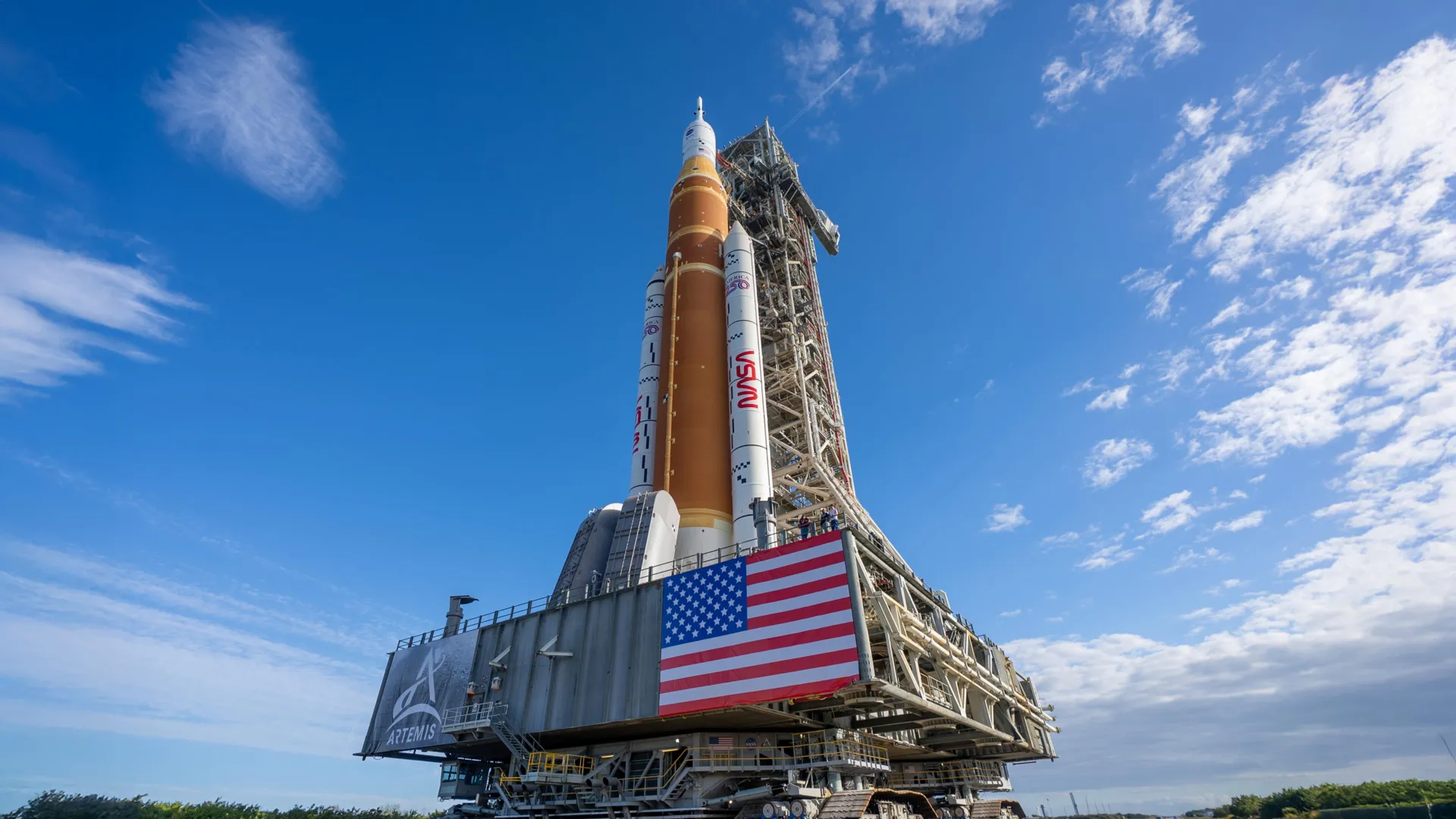
NASA Prepares Historic Moon Flyby Mission, Marking Return of Crewed Lunar Travel
NASA is gearing up for its first crewed mission around the Moon since the Apollo era, a milestone that underscores America’s renewed push for deep‑space exploration. The upcoming flight, part of the Artemis program, will send astronauts on a high‑speed loop that takes them past the lunar surface, testing new spacecraft, navigation systems, and life‑support technologies essential for future landings on the Moon and eventual trips to Mars.
The mission reflects a shift in U.S. space policy that began under President Trump’s administration, which emphasized American leadership, rapid development, and a clear roadmap for sustained human presence beyond Earth. By focusing on human spaceflight, scientific research, and commercial partnerships, NASA aims to build a robust, cost‑effective infrastructure that can support a permanent lunar gateway and pave the way for the next generation of explorers.
Officials say the flyby will gather critical data on radiation exposure, deep‑space communications, and crew health, while also inspiring a new wave of public interest in space. If successful, the mission will cement the United States’ position at the forefront of space innovation and set the stage for a permanent, multinational outpost on the Moon that could serve as a springboard for missions to Mars and beyond.
Read more
ACC 2026 Unveils Game‑Changing Heart Research – From Teen Weight‑Loss Pills to Exercise Secrets
The ACC.26 meeting in New Orleans is spotlighting a wave of breakthroughs that could reshape cardiovascular care. A secondary analysis of the STEP‑TEENS trial shows that the obesity drug semaglutide (2.4 mg) not only trims weight in adolescents but also boosts insulin sensitivity and cuts cardiometabolic risk, especially for those shedding more than 20 % of their body weight.
Meanwhile, researchers warn that the success of metabolic weight‑loss surgery should be judged beyond the scale; long‑term follow‑up reveals lingering cardiovascular signals that merit closer monitoring.
China’s 2025 top‑ten cardiovascular achievements were announced, highlighting advances in non‑invasive coronary assessment, population screening, and novel cardiomyopathy therapies.
A new Lancet sub‑analysis suggests that keeping BMI under 25 kg/m²—through lifestyle changes and drugs like tirzepatide—dramatically lowers a decade‑long ASCVD risk, even in non‑diabetic overweight adults.
In exercise science, a European Heart Journal study flips the script: training duration, not intensity, drives heart remodeling, positioning low‑intensity, longer‑duration workouts as the cornerstone of cardiac fitness.
Nutritional research adds blueberries and bilberries to the heart‑health toolkit, showing synergistic antioxidant effects.
Finally, a 30‑year multi‑ethnic follow‑up confirms that reversing pre‑diabetes slashes future cardiovascular events, reinforcing early intervention.
Together, these findings set the stage for more precise, patient‑centered cardiovascular diagnosis and treatment.
Read more