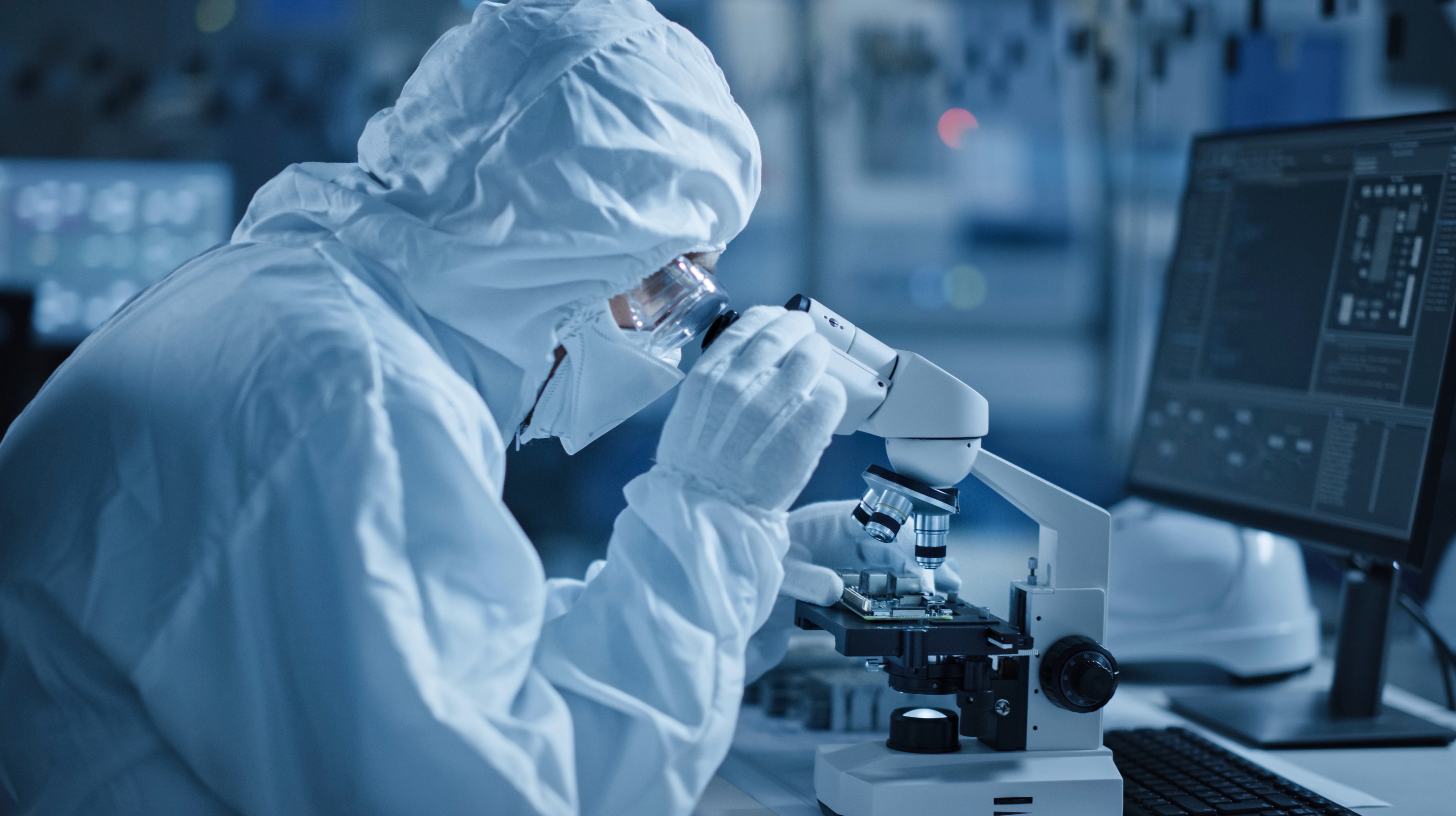
AI’s ‘Drug‑Design Revolution’: From Toxic Setbacks to Breakthrough Therapies
In 2018 Nobel‑winning chemist David Baker used pure computer simulation to create a hybrid cytokine drug called Neo‑2/15, a blend of IL‑2 and IL‑15. The work was published in Nature in 2019 and sparked excitement because the molecule bound its target strongly and showed therapeutic promise. However, later studies revealed serious toxicity, and by 2023 the clinical trial collapsed, wiping out huge investments and reminding the industry that safety is non‑negotiable.
The story took a dramatic turn this March when Chinese academician Cao Xuetao applied advanced AI‑driven protein design to re‑engineer Neo‑2/15, eliminating its toxic side effects. Cao’s team, together with overseas collaborators, has now plugged the revamped cytokine into CAR‑NK cell therapies, reporting striking early results.
The episode illustrates how AI is reshaping drug discovery: moving away from slow, brute‑force high‑throughput screens toward precise, custom‑made molecules. Yet the technology is only a tool—success still hinges on clever application and a dose of luck.
Investors on both sides of the Pacific are feeling the shift. Boston‑based Lila Sciences is betting on an “AGI for science,” raising $600 million and a $2 billion valuation without a product yet. Similarly, Xaira Therapeutics has secured over $1 billion. In contrast, Chinese firms view AI as an accelerator rather than a silver bullet, emphasizing practical integration over hype.
Read more

NASA’s Water‑Mapping Satellite Reveals Surprising Secrets of a Giant Tsunami
A NASA satellite called SWOT, originally built to study Earth’s oceans, has given scientists an unprecedented glimpse of a massive tsunami that struck the Indian Ocean after the 7.7‑magnitude Myanmar quake in March 2025. Unlike earlier disaster‑tracking tools that could only record a tsunami at a few isolated points, SWOT scans a swath up to 120 km wide, delivering high‑resolution, three‑dimensional maps of the sea surface. Researchers were stunned to see that the tsunami’s energy lingered far longer than models predicted, creating hidden currents that traveled thousands of kilometres and subtly reshaped coastal waters. Lead scientist Dr. Ruiz‑Angulo likened the new data to “a fresh pair of glasses,” allowing scientists to watch the wave’s full life‑cycle rather than just a snapshot. This breakthrough not only improves our ability to forecast tsunami impacts but also opens a window into the ocean’s hidden dynamics, from small‑scale currents to large‑scale climate processes. The discovery underscores how a satellite designed for everyday water monitoring can become a powerful early‑warning tool for natural disasters, reshaping how we protect vulnerable coastal communities.
Read more
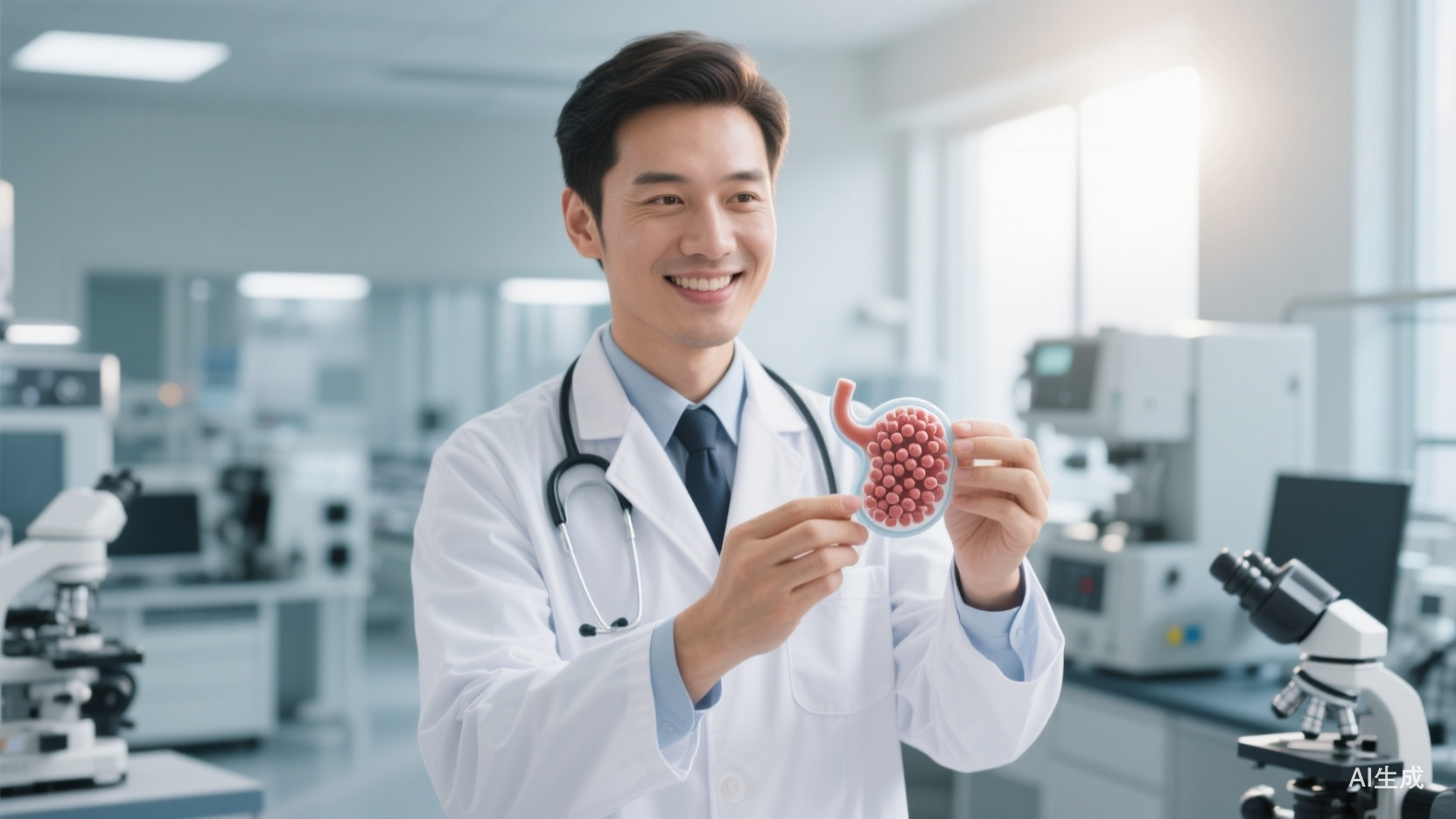
Breakthroughs Light the Way to a Cure for Type 1 Diabetes
A new wave of treatments is turning the long‑standing battle against type 1 diabetes into a story of hope. Unlike personalized cell therapies, off‑the‑shelf allogeneic products can be mass‑produced, cutting costs and simplifying delivery. Early clinical work with E‑islet 01—tiny clusters of insulin‑producing cells injected into the liver’s portal vein—showed patients could achieve a functional cure, and the Chinese regulator granted it trial approval in April 2025. At the same time, China’s biotech sector is pushing forward on immune‑regulation strategies such as anti‑CD3, anti‑CD20 antibodies, regulatory‑T‑cell tweaks, and DNA‑based vaccines. Notably, a gene‑vaccine targeting the B7‑CD28/CTLA4 pathway, created by Xi Yongzhi’s team at the PLA General Hospital, has secured patents in the US, EU and China. Global players are also active: Sanofi’s CD40L‑blocking antibody Frexalimab is in Phase II trials, while Diamyd’s antigen‑specific vaccine is in Phase III. Challenges remain—immune rejection, long‑term safety, precise targeting, and high prices—but each milestone brings the vision of a complete cure closer for millions of patients worldwide.
Read more
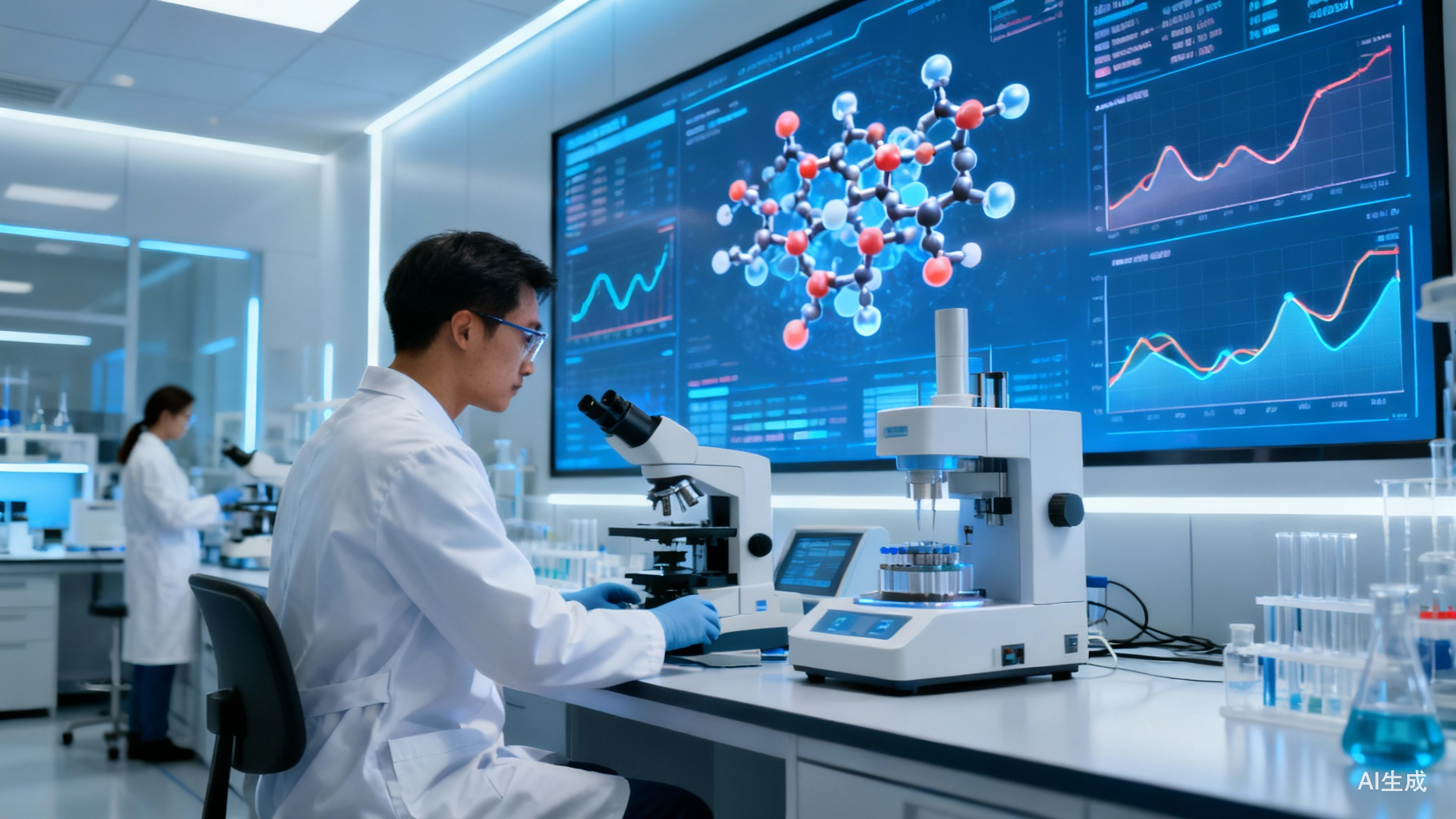
How China’s New Wave of Innovative Drugs Is Redefining the Global Pharma Landscape in 2026
At the start of 2026, the pharmaceutical world is buzzing about a quiet revolution coming out of China. For decades, Chinese companies dominated the low‑cost generic and active‑ingredient market, but they have now turned their engineering expertise toward truly innovative medicines—drugs protected by patents that give the creator exclusive market rights. This shift is driven by years of accumulated know‑how in molecular screening, formulation, and large‑scale production, often called the “engineer dividend.” While China still lags in discovering brand‑new targets (the so‑called 0‑to‑1 breakthroughs), its ability to rapidly develop and commercialize drugs once a target is known is accelerating. A prime example is the surge in PD‑1 monoclonal antibodies for cancer immunotherapy, where Chinese firms are quickly bringing their versions to market even though the original discovery was made elsewhere. The result is a growing pipeline of home‑grown anticancer, CAR‑T, and other specialty drugs that could challenge Western giants, attract foreign investment, and reshape pricing dynamics worldwide. As China’s innovative drug sector gains momentum, the global R&D map may soon look very different, with Chinese firms playing a leading role in the next generation of life‑saving therapies.
Read more