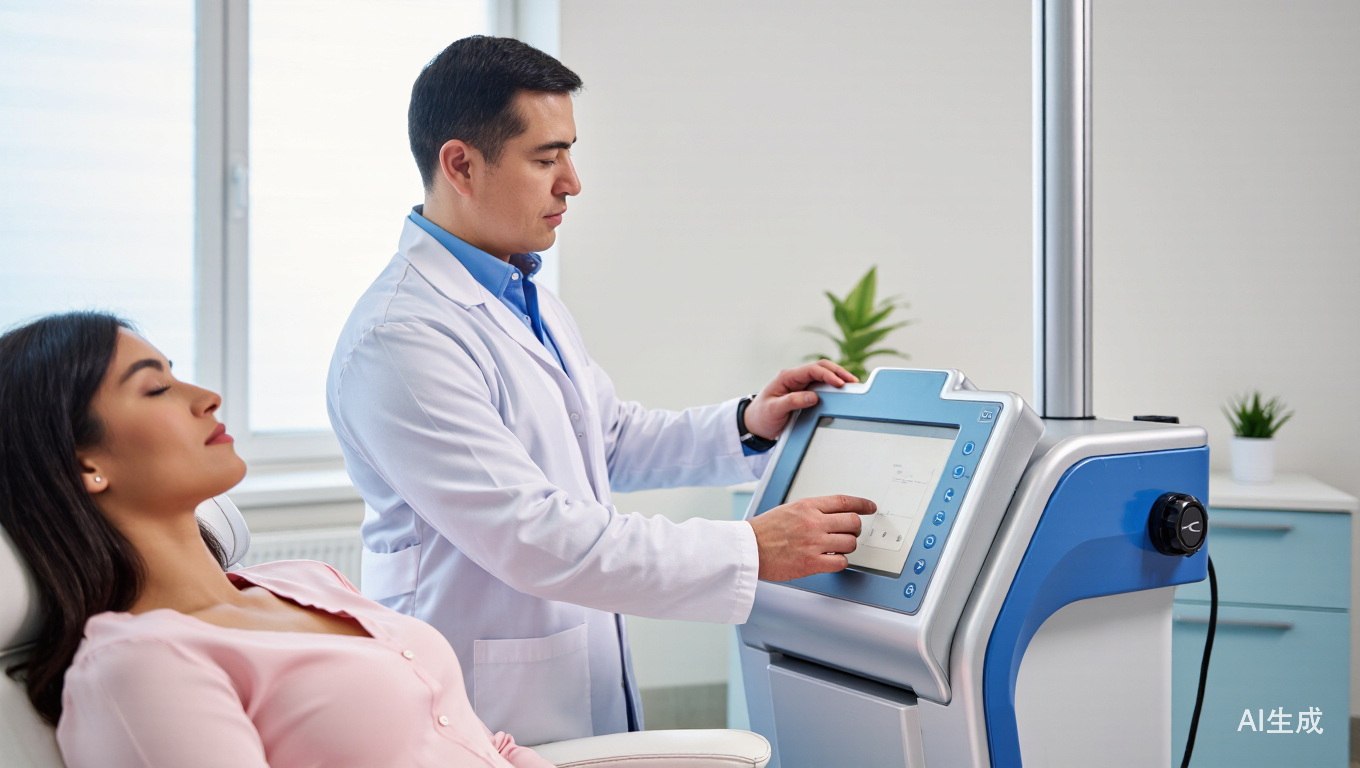
China’s Homegrown Aesthetic Tech Takes on the World: From FDA‑Approved Microneedles to US‑Made Ultrasound Devices
Lei Xiaobing, the founder of Peninsula Medical, says China has moved from copying imported textbooks and equipment to creating its own world‑class aesthetic devices. His company’s gold‑coated microneedle has already earned FDA clearance, and even Harvard‑trained laser pioneer Professor Rox Anderson now uses Peninsula’s lasers—something 90% of top U.S. experts never imagined. But breaking into overseas markets isn’t smooth. Lei recalls a month when U.S. tariffs jumped from 50% to 150%, halting contracts and costing his firm dearly. To hedge against such shocks, Peninsula set up a factory in Irvine, California, just minutes from Allergan, the global giant of medical aesthetics. Lei warns that many Chinese firms settle for superficial research. True “import substitution” requires deep, long‑term investment—think Huawei or DJI—along with rigorous clinical trials, peer‑reviewed papers, and acceptance by doctors worldwide. His teams have spent 14 years on RF technology and 13 on ultrasound, keeping the same core staff to ensure continuity. The payoff is evident: Peninsula’s therapeutic ultrasound device, redesigned for modern consumers, has completed 4.5 years of Chinese clinical trials with zero side‑effects, an 89.6% success rate at three months, and the first Class‑III ultrasound certificate in the country. The story shows how persistent R&D and strategic overseas footholds are reshaping trust in Chinese medical‑aesthetic equipment.
Read more