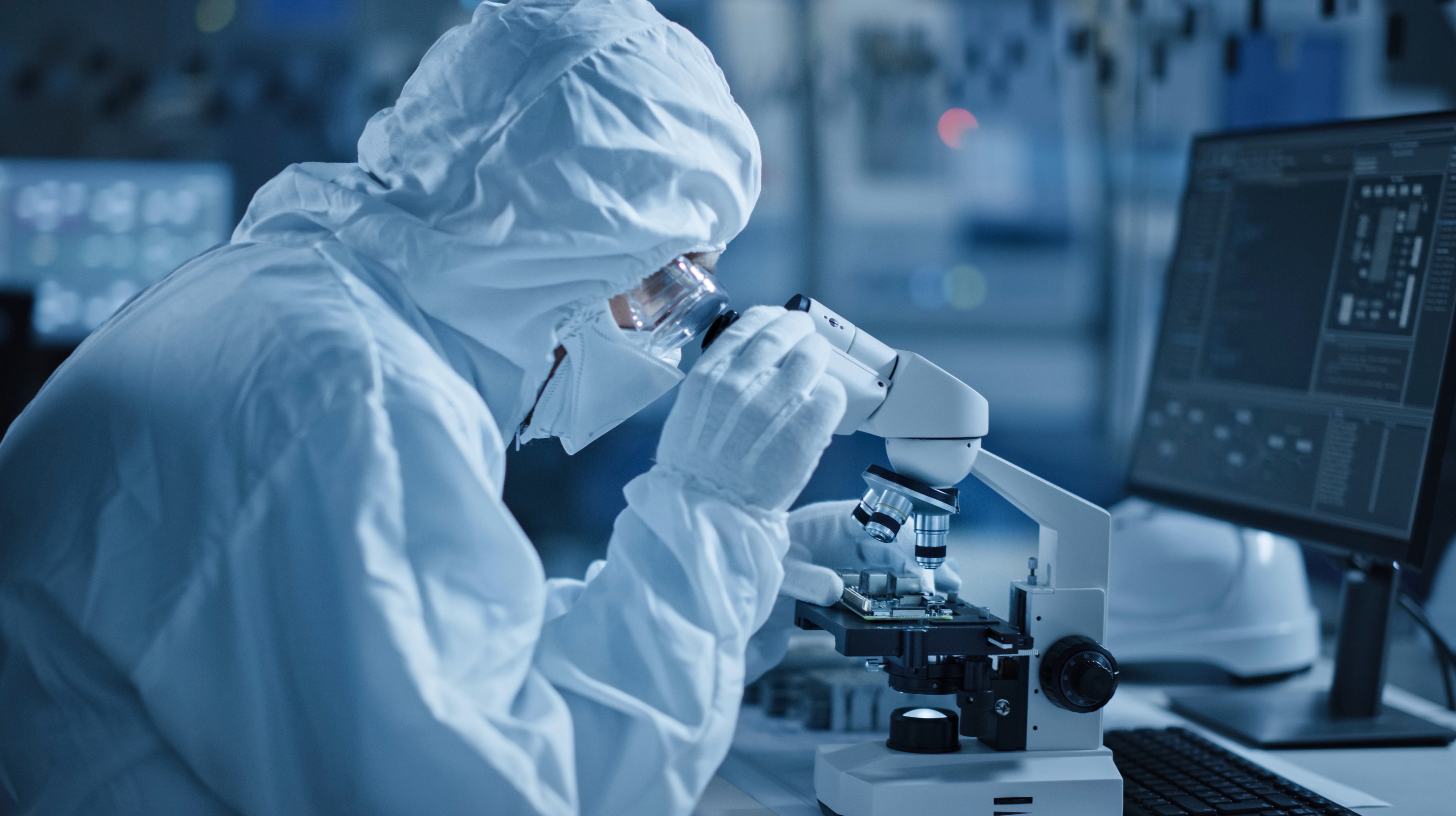
AI’s ‘Drug‑Design Revolution’: From Toxic Setbacks to Breakthrough Therapies
In 2018 Nobel‑winning chemist David Baker used pure computer simulation to create a hybrid cytokine drug called Neo‑2/15, a blend of IL‑2 and IL‑15. The work was published in Nature in 2019 and sparked excitement because the molecule bound its target strongly and showed therapeutic promise. However, later studies revealed serious toxicity, and by 2023 the clinical trial collapsed, wiping out huge investments and reminding the industry that safety is non‑negotiable.
The story took a dramatic turn this March when Chinese academician Cao Xuetao applied advanced AI‑driven protein design to re‑engineer Neo‑2/15, eliminating its toxic side effects. Cao’s team, together with overseas collaborators, has now plugged the revamped cytokine into CAR‑NK cell therapies, reporting striking early results.
The episode illustrates how AI is reshaping drug discovery: moving away from slow, brute‑force high‑throughput screens toward precise, custom‑made molecules. Yet the technology is only a tool—success still hinges on clever application and a dose of luck.
Investors on both sides of the Pacific are feeling the shift. Boston‑based Lila Sciences is betting on an “AGI for science,” raising $600 million and a $2 billion valuation without a product yet. Similarly, Xaira Therapeutics has secured over $1 billion. In contrast, Chinese firms view AI as an accelerator rather than a silver bullet, emphasizing practical integration over hype.
Read more
BMC Remind Fuels Global Surge in Home Ventilators, Targets Bold Expansion by 2026
Over the past five years China’s medical‑device sector has shifted from playing catch‑up to taking the lead, with the market projected to hit 1.22 trillion yuan in 2025. In this wave of growth, BMC Remind has emerged as a domestic champion in respiratory health, building a “home‑plus‑global” model that blends cutting‑edge technology with overseas reach. It is the only Chinese home‑ventilator brand cleared by the U.S. FDA and sold at scale in the United States, posting double‑digit revenue and profit growth in the first three quarters of 2025 and seeing U.S. sales jump more than 130 % year‑on‑year. Today its ventilators are available in more than 140 countries, ranking second worldwide and first in China. Leveraging that foothold, the company has branched into smart mobile oxygen therapy and nebulizers designed for high‑altitude use, evolving from a single‑device maker to a full‑cycle provider of hardware, software and services. China’s medical‑device exports rose to $37 billion in the same period, up 5.6 % YoY, underscoring a broader push into global markets. BMC Remind now holds 932 patents at home and abroad and boasts over 20 FDA‑certified products, with a presence in the United States, Germany, Italy, Turkey and many other regions. Its next phase is a “deep‑localization” strategy that will deepen market penetration and influence worldwide, setting the stage for continued expansion through 2026.
Read more
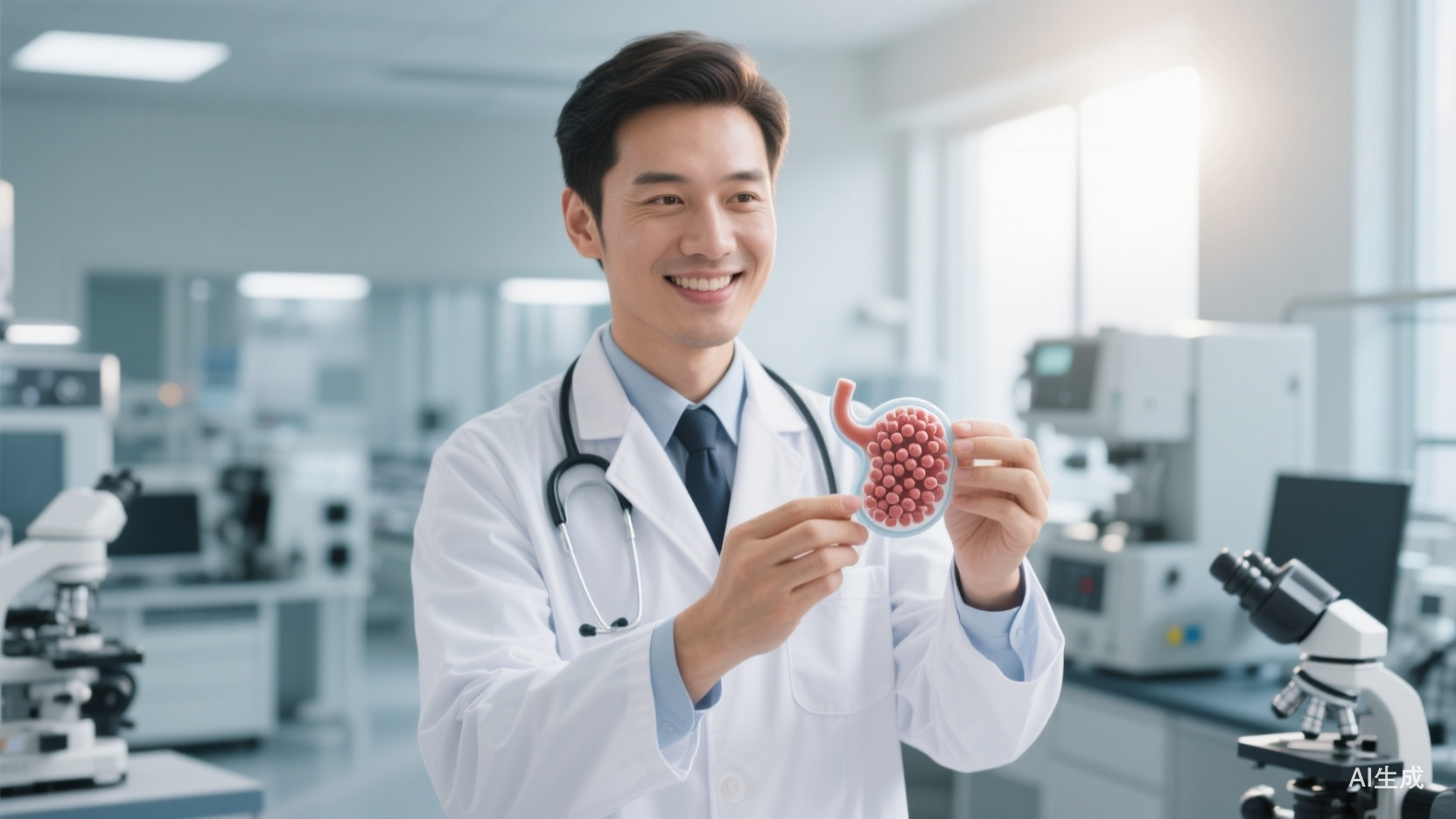
Breakthroughs Light the Way to a Cure for Type 1 Diabetes
A new wave of treatments is turning the long‑standing battle against type 1 diabetes into a story of hope. Unlike personalized cell therapies, off‑the‑shelf allogeneic products can be mass‑produced, cutting costs and simplifying delivery. Early clinical work with E‑islet 01—tiny clusters of insulin‑producing cells injected into the liver’s portal vein—showed patients could achieve a functional cure, and the Chinese regulator granted it trial approval in April 2025. At the same time, China’s biotech sector is pushing forward on immune‑regulation strategies such as anti‑CD3, anti‑CD20 antibodies, regulatory‑T‑cell tweaks, and DNA‑based vaccines. Notably, a gene‑vaccine targeting the B7‑CD28/CTLA4 pathway, created by Xi Yongzhi’s team at the PLA General Hospital, has secured patents in the US, EU and China. Global players are also active: Sanofi’s CD40L‑blocking antibody Frexalimab is in Phase II trials, while Diamyd’s antigen‑specific vaccine is in Phase III. Challenges remain—immune rejection, long‑term safety, precise targeting, and high prices—but each milestone brings the vision of a complete cure closer for millions of patients worldwide.
Read more