China’s Secret Weapon: How a Shanghai Synchrotron Powers Breakthrough Drugs
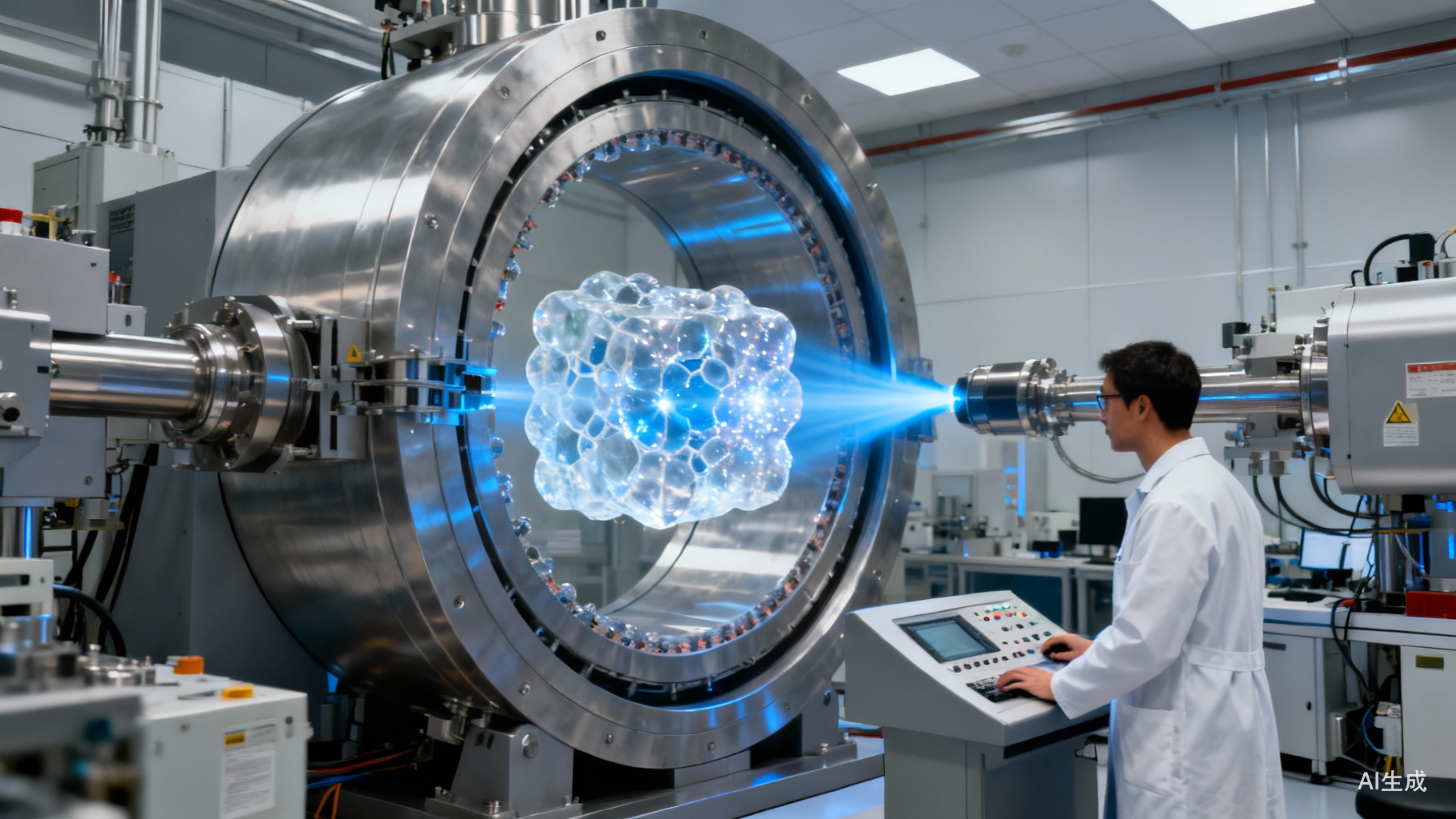
Imagine trying to open a lock without ever seeing its shape – that’s how traditional drug discovery used to work. Today, scientists can picture the lock (a protein) on a computer and craft the perfect key (a medicine) to fit it. The Shanghai Synchrotron Radiation Facility (SSRF) is the hidden engine that makes this possible for China’s fast‑growing pharma sector. By shooting powerful X‑rays at protein crystals, SSRF reveals their three‑dimensional structures, giving researchers a detailed map to design safer, more effective drugs. Thanks to this technology, China has launched several world‑class medicines, including BeiGene’s cancer pill zanubrutinib (Brukinsa) – the first home‑grown anticancer drug fully approved by the U.S. FDA – and the immunotherapy antibody tislelizumab (Tyvyt). Both rely on precise structural data from SSRF to avoid unwanted side effects and boost performance. Zanubrutinib alone generated $2.6 billion in sales in 2024 and is projected to hit $11 billion by 2031. Beyond cancer, SSRF has helped decode proteins from COVID‑19, Ebola, Zika and other viruses, paving the way for vaccines and antivirals. Since opening in 2009, the facility has solved tens of thousands of protein structures, publishing findings in top journals like Nature and Science. In short, while the headlines celebrate new drugs, the real backstage hero is the synchrotron’s crystal‑clear view of biology, accelerating China’s rise in innovative medicine.
Read more