Breakthroughs in Cancer, Brain Health, and COVID‑19: China’s Latest Biomedical Discoveries
A wave of new research from Chinese universities is reshaping the fight against cancer, neuro‑degeneration, and viral disease. Sun Yat‑sen University scientists uncovered that the A20‑IKK‑β‑NF‑κB‑BCL‑2 signaling chain drives resistance to the chemotherapy drug oxaliplatin in colorectal cancer, pointing to a fresh therapeutic target. In Fujian, a combined regimen of 2,5‑MeC and dacinosine showed promise in forcing cancer cells into a senescent state, halting tumor growth. Meanwhile, a Phase 3 trial led by Jiang Zefei and Yin Yongmei revealed that the novel CDK2/4/6 inhibitor culmerciclib (TQB3616) paired with fulvestrant more than doubled progression‑free survival for patients with advanced HR⁺/HER2‑ breast cancer.
Beyond oncology, researchers at CAU discovered that mice lacking one copy of the Gnal gene develop severe dystonia and gut‑microbiome imbalance, offering clues to motor disorders. Huazhong Agricultural University identified the industrial pollutant 8:2‑FTOH as a new ligand for the aryl hydrocarbon receptor, expanding our understanding of environmental toxin signaling. Shanghai Jiao‑Tong University linked over‑expressed enhancer RNAs from human endogenous retrovirus‑H to pancreatic cancer growth, showing that silencing these RNAs curbs tumor proliferation.
Nanjing University of Chinese Medicine highlighted ds‑HMGB1 as a key driver of oxaliplatin‑induced nerve pain, stored in resident macrophages of the dorsal root ganglion. Fudan University mapped three ultra‑conserved epitopes on the SARS‑CoV‑2 spike that generate broad‑spectrum antibodies after infection or vaccination, a potential boon for next‑gen COVID‑19 vaccines. Tsinghua University clarified how TMED proteins control unconventional secretion, a fundamental cellular process. Finally, a Nature Aging study revealed that compounds in black rice activate GPR120 to block amyloid buildup in an Alzheimer’s mouse model, suggesting a dietary route to neuroprotection. All these findings, published between December 19‑20, 2025, underscore China’s rapid advances across multiple frontiers of biomedical science.
Read more
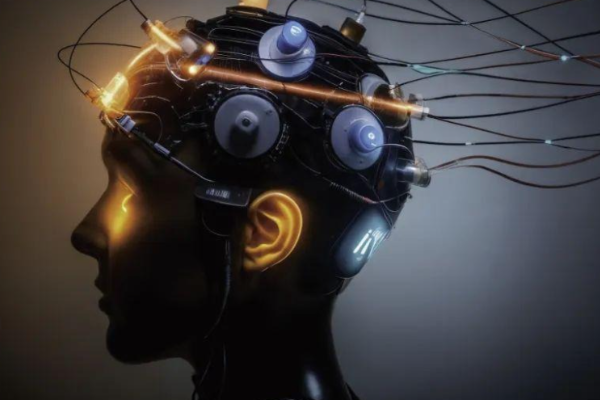
Mind‑Powered Wheels and Robot Dogs: China’s New Leap in Brain‑Computer Tech
On December 18, China’s top medical regulator hosted a landmark meeting on brain‑computer interfaces (BCIs), confirming that these systems are now officially recognized as medical devices. The same day, officials announced a breakthrough: a second patient with an invasive BCI successfully used pure thought to steer a wheelchair and command a robotic dog. This achievement builds on the first accidental success and shows that the technology’s core approach is reliable enough for broader use.
BCIs act as a two‑way bridge between the brain and machines, translating neural signals into commands for external devices. While the United States still leads in long‑term material safety and large‑scale implant experience (e.g., Neuralink’s fully invasive chips), Chinese teams have narrowed the gap with innovative flexible electrodes and scenario‑specific algorithms. China’s focus on autonomous, high‑performance chips complements the U.S. emphasis on safety and robustness.
The new clinical case offers hope for people with severe mobility impairments, turning science‑fiction ideas of mind‑controlled gadgets into real‑world tools. As research accelerates, experts expect more patients to benefit from BCIs, paving the way for a future where thoughts can directly operate everyday technology.
Read more