Guangzhou Rolls Out Bold Plan to Boost Science Funding and Lead Global Biotech Breakthroughs
Guangzhou has announced a sweeping new policy to raise the share of its fiscal budget devoted to science and technology, aiming to turn the city into a world‑class innovation hub. In the life‑sciences arena, the city is already making headlines. A home‑grown anti‑influenza drug, the world’s first to target the PB2 protein of flu‑A, has received market approval, offering a uniquely Chinese solution to seasonal outbreaks. Guangzhou Lab also launched the nation’s largest Biosafety Level‑3 laboratory and secured funding for the 1.67‑billion‑yuan “China Digital Lung” platform, a smart research centre for respiratory disease.
Breakthroughs from the Guangzhou Institute of Biomedicine include the first human‑like heart grown inside a pig embryo that survived three weeks, and a new STING‑protein pathway that could protect patients from radiation‑induced tumor damage. Researchers at Sun Yat‑sen University uncovered key clues for preventing nasopharyngeal cancer, while Akeso Biosciences’ bispecific antibody ivonescimab outperformed the global benchmark drug Keytruda. Xiang Xue Life Sciences saw its TCR‑T therapy earn national breakthrough status.
Beyond biotech, Guangzhou is building an all‑space unmanned‑systems network—leveraging eVTOL pioneer EHang, autonomous‑driving firms WeRide and Pony.ai, and XPeng’s flying‑car factory—to showcase future mobility. The city’s AI cluster is also rolling out embodied‑intelligence robots for manufacturing, rehabilitation and care, while massive cell‑and‑gene‑therapy platforms aim to turn scientific discoveries into market‑ready treatments. This coordinated push positions Guangzhou at the forefront of global science, technology and health innovation.
Read more
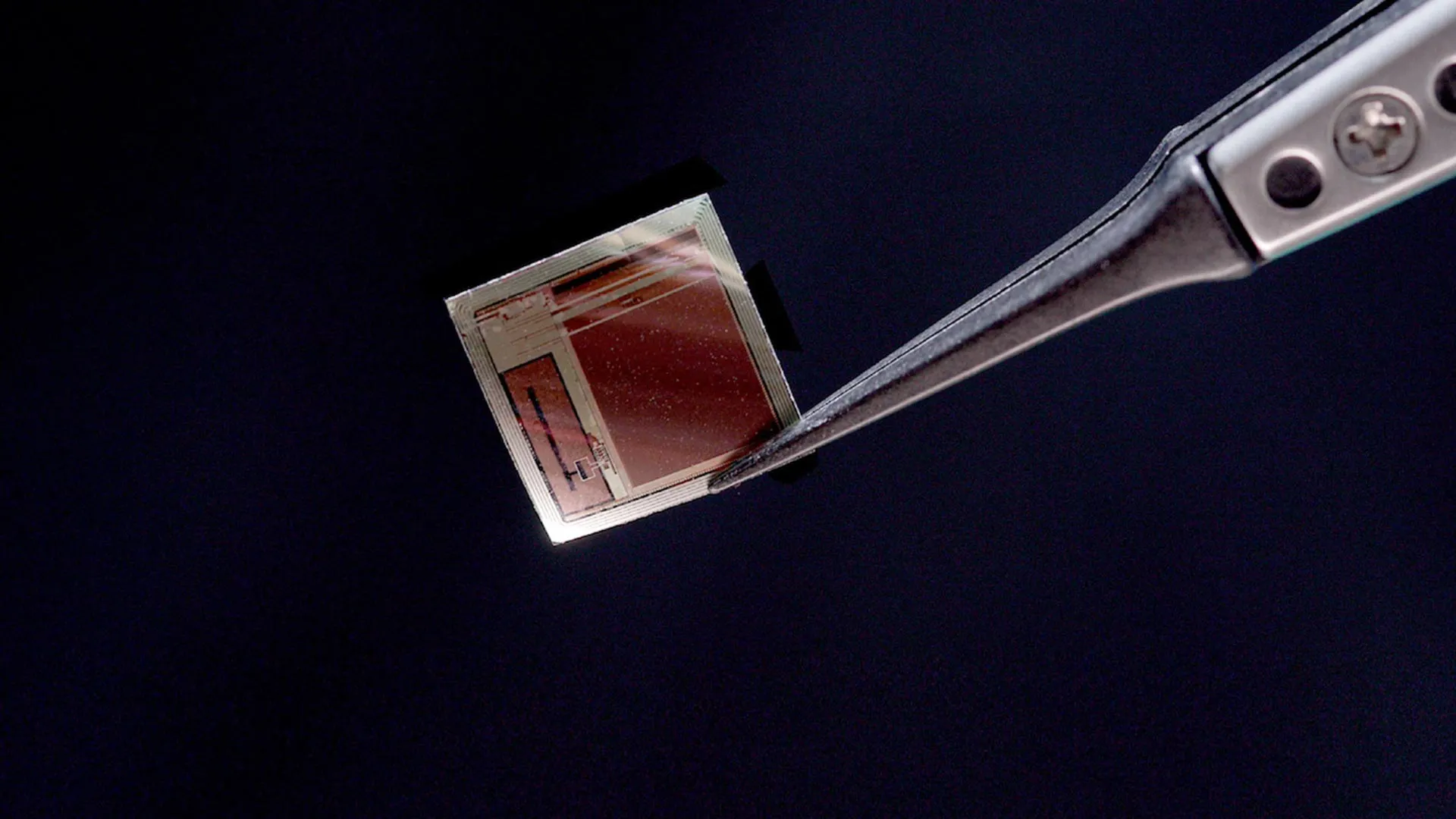
Mini Brain Chip Streams Your Thoughts Live – A Leap Toward Restoring Lost Abilities
Researchers at Columbia University and Stanford have unveiled a paper‑thin silicon chip that can read brain activity and send it to a computer in real time. The device, barely the size of a grain of sand, sits directly on the brain’s surface and captures electrical signals without the need for bulky wires. By integrating all the necessary electronics onto a single piece of silicon, the team created a wireless bridge between neurons and artificial‑intelligence algorithms that can decode what the brain is “thinking” at the moment.
The breakthrough could transform treatments for people who have lost motor function, speech, or sensory abilities after injury or disease. Because the chip is so small and self‑contained, it promises to be safer and more comfortable than existing brain‑computer interfaces, which often require large, invasive hardware.
To move the technology toward real‑world use, the researchers launched a spin‑out called Kampto Neurotech. The startup is already producing research‑grade versions of the chip and seeking funding to begin human trials. If successful, this tiny implant could one day enable paralyzed patients to control prosthetic limbs, restore speech for those who have lost it, and open new possibilities for seamless brain‑AI collaboration.
Read more